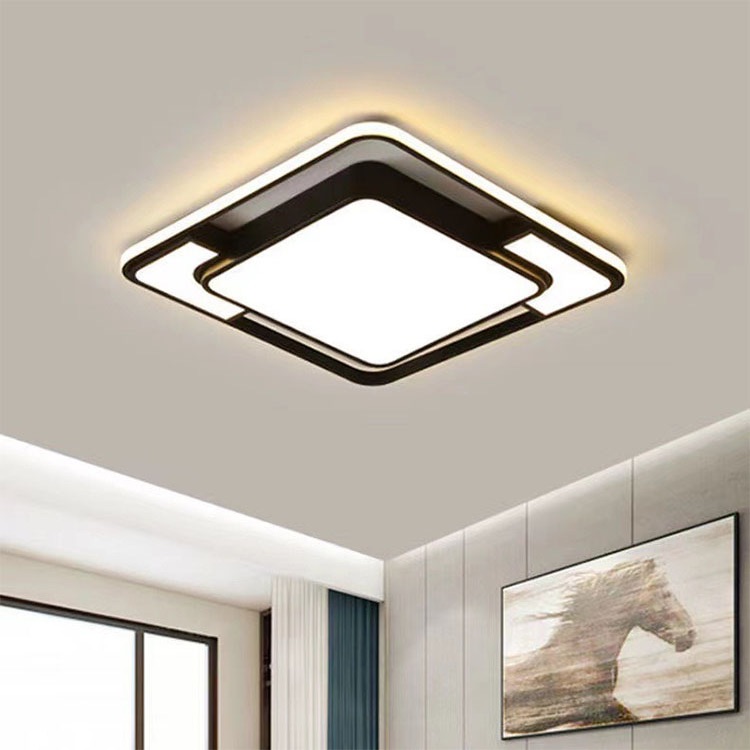
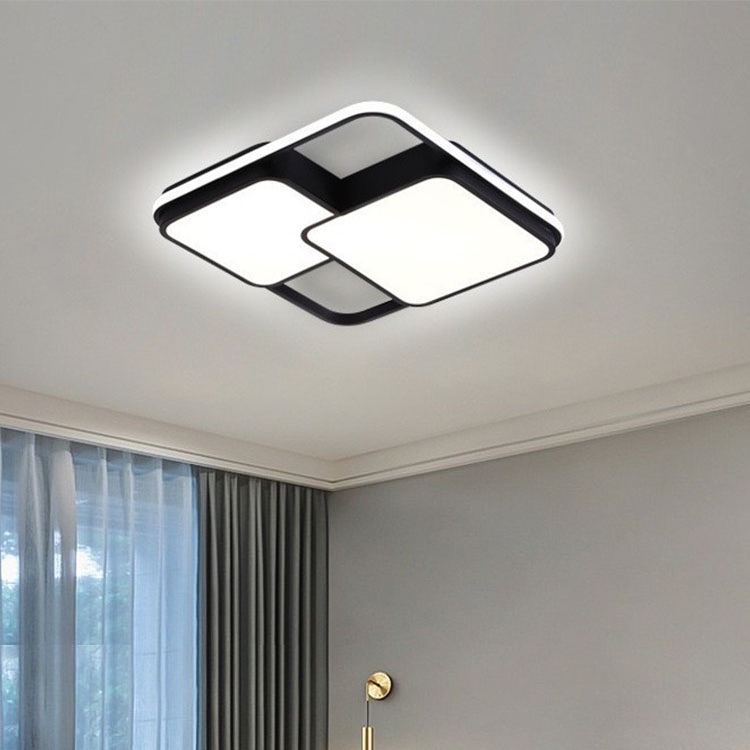
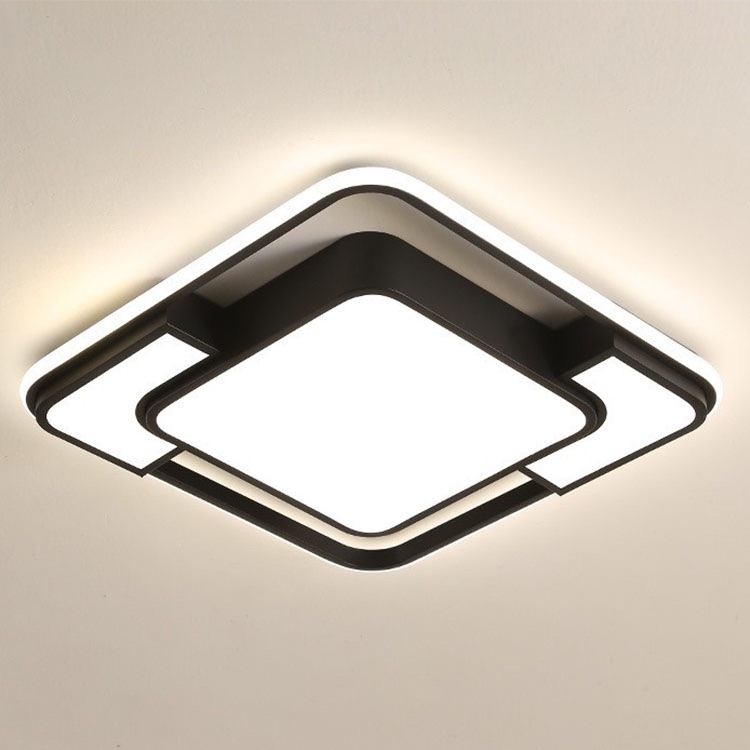
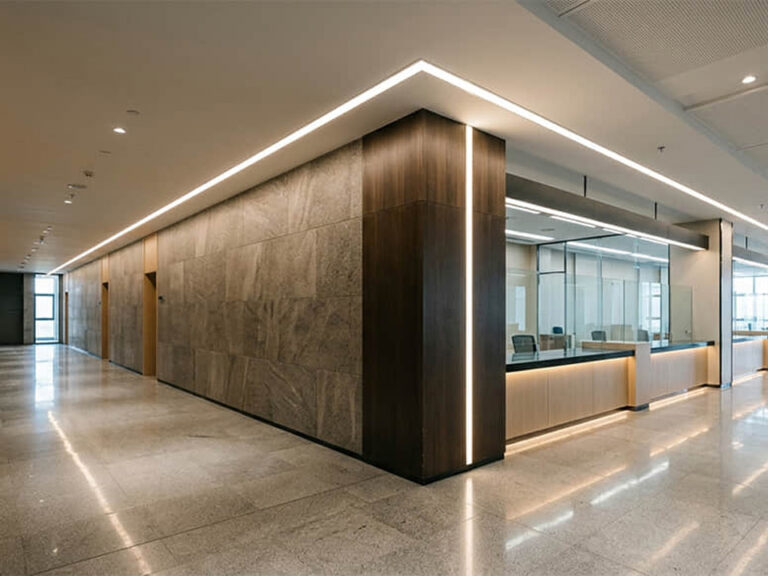
Still Not Seeing the Right Commercial Lighting Solution? Talk to Our Project Team.
If you have reviewed the website or already discussed options with sales but still need a clearer direction, send your request here. Our team will review your application, target specifications, and project constraints, then reply with a practical next step: what fits, what needs confirmation, and the fastest route to a quote and spec-ready files for your project.
Direct review of your application, specs, and project constraints for a clearer quote path.
Product matching across beam angle, CCT / CRI, drivers, dimming, and controls options.
Project documentation support, including cut sheets, wiring notes, and IES / LDT files where available.
OEM / ODM guidance for labels, packaging, housing finish, and private-brand requirements.
Get a Fast Quote for Commercial LED Lighting
Built for designers, architects, contractors, wholesalers, and project buyers. Share your application, quantity, and target specifications to get factory-direct pricing, lead-time guidance, and spec-ready support for US and EU projects.
Recommended Specifications for Ceiling Lights in Public Areas
Table of Contents
The Ugly Truth About Public Area Ceiling Lighting
Glare gets noticed.
I have seen corridor lighting schedules approved with nothing more than “18W LED downlight, 4000K, white trim,” even though that line tells us almost nothing about visual comfort, spacing, cut-off angle, driver behavior, emergency strategy, or whether the fixture will still match in color after the second reorder.
So why do buyers still treat public area ceiling lights like commodity hardware?
Public areas are politically awkward spaces. The owner wants low cost. The designer wants clean ceilings. The contractor wants easy installation. The maintenance team wants fewer callbacks. The end user wants to walk through without squinting, tripping, or feeling like the building was lit by a warehouse catalog.
That is the fight.
For serious commercial buildings, Public Area Ceiling Lighting Specifications should start with use case, not wattage. Corridors, lobbies, lift halls, stairwells, washrooms, reception zones, and back-of-house circulation all ask different things from the ceiling. If your specification does not mention lux level, uniformity, glare control, CCT, CRI, beam angle, driver type, dimming protocol, and maintenance access, it is not a specification. It is a shopping note.
The boring documents matter here. OSHA’s construction illumination rule, for example, lists minimum illumination values including 5 foot-candles for indoor warehouses, corridors, hallways, and exitways while work is in progress through OSHA 1926.56 Illumination. That is not a design target for a finished hotel lobby, but it tells us something uncomfortable: regulators think in minimum safe thresholds, while owners often confuse that with good lighting.
If you need a product starting point, I would not begin with decorative fixtures. I would begin with project-grade LED ceiling lighting for hotels, offices, lobbies, and retail spaces because public ceilings need repeatable SKUs, stable bins, controlled optics, and documentation that survives procurement review.
The Specification Stack I Would Actually Trust
Most bad lighting schedules fail because they specify power before performance.
A 12W ceiling light can be excellent. A 24W ceiling light can be trash. Wattage only tells me what the fixture consumes, not how it distributes light, handles heat, renders skin, behaves on dimming, or punishes the eyes of someone walking directly underneath it.
Here is the public area specification stack I would demand before approving samples:
Public Area
Typical Target Illuminance
Recommended CCT
CRI
Glare / Optics
Fixture Direction
Hotel corridor
50–100 lux general, higher at doors or transitions
2700K–3000K
CRI 80+, CRI 90 for premium
Deep anti-glare optic, controlled beam
Recessed or semi-recessed downlight
Office corridor
100–150 lux
3000K–4000K
CRI 80+
Low visible brightness, wide spacing control
Downlight or linear ceiling light
Lobby / reception
150–300 lux ambient, layered accent above that
3000K–3500K
CRI 90 preferred
Low UGR, high color consistency
Ceiling downlight plus accent lighting
Lift lobby
100–200 lux
3000K–4000K
CRI 80+
Uniform vertical recognition
Downlight or square ceiling light
Stairwell
100–150 lux, even distribution
3000K–4000K
CRI 80+
Avoid harsh shadow bands
Ceiling or wall-assisted lighting
Public washroom
150–300 lux
3000K–4000K
CRI 80+
Good facial visibility, no mirror glare
Ceiling light plus mirror strategy
Retail public circulation
200–300 lux, accent separate
3000K–4000K
CRI 90 for merchandise zones
Beam control matters more than raw lux
Downlight, track, or linear mix
Do not copy these numbers blindly. Local code, project type, ceiling height, surface reflectance, age profile of occupants, emergency lighting rules, and brand standards can push them up or down. But the pattern is reliable: commercial ceiling light specifications must define the room behavior, not just the fixture label.
And here is my controversial rule: if the fixture has no photometric file, I do not trust it for public area lighting design.
No IES file? No LDT file? No beam angle data? No tested CCT tolerance? No driver information? Then the supplier is asking you to buy a mood, not a lighting system.
Meagree’s guide to 10 key parameters in commercial lighting design is useful here because it frames lighting as a bundle of choices: beam angle, glare, spacing, ceiling height, controls, optics, and documentation. That is how professionals should buy. Not by wattage. Not by catalog photography.
Corridors and Lobbies Are Not the Same Animal
Corridors punish bad lighting faster than lobbies do.
In a corridor, people move parallel to the lighting rhythm. Every bright aperture repeats. Every hot spot becomes a pattern. Every poorly shielded LED chip hits the eye again, and again, and again. The fixture may look fine in a showroom ceiling. Then it turns into a runway of glare inside a 1.5-meter-wide hotel hallway.
For corridors, I would usually specify anti-glare recessed LED downlights, linear LED downlights, or carefully spaced ceiling-mounted fixtures with warm CCT, controlled beam spread, and sensor-ready dimming. The Meagree article on LED ceiling lights for hotel corridors makes the right point: recessed anti-glare LED downlights often win because they control direct glare while keeping the ceiling visually calm.
Lobbies are different. A lobby is a judgment room.
People judge the brand there. They judge the stone, the desk, the plant wall, the uniform, the face behind reception, the artwork, the elevator signage, and the smell of money or neglect. That means LED ceiling lights for public spaces in lobbies should not chase maximum lumens per watt at the expense of color quality.
For lobby areas, I prefer CRI 90+, R9 data when available, 3000K or 3500K CCT, SDCM ≤3 for visible consistency, dimming that does not flicker, and beam angles chosen by ceiling height rather than habit. Meagree’s piece on high-CRI LED ceiling lights for lobby areas is worth using as a companion page because lobby lighting is where weak color rendering becomes embarrassingly visible.
Here is the hard truth: the best ceiling lights for corridors and lobbies are rarely the same fixture. Corridors need discipline. Lobbies need hierarchy.
Energy Savings Are Real, But Cheap LEDs Still Hurt Buildings
The LED energy argument is not marketing fluff. It is real.
The U.S. Department of Energy says LED lighting has major savings potential, with projected annual energy savings from LED adoption topping 569 TWh by 2035, equal to the annual output of more than 92 large 1,000 MW power plants, according to its LED Lighting Energy Saver page. DOE also notes that LEDs are directional, which makes them especially useful in recessed downlights and task lighting when the optics are properly designed.
But energy efficiency is often abused in procurement.
I have watched buyers accept ugly public area ceiling lights because the spreadsheet showed lower watts. Then complaints arrived: harsh corridors, flicker on dimming, mismatched color between batches, impossible driver replacement, and a lobby that made warm wood look gray.
A real case study should sober up the conversation. The U.S. Department of Energy’s Office of Scientific and Technical Information reported that the New Carrollton Federal Building lighting retrofit cut an annual lighting electric bill from $291,000 to an estimated $53,500 and delivered an 82% energy-use reduction through LED troffers and controls in a GSA building in Maryland, documented in New Carrollton Federal Building Lighting Retrofit Captures Cool Savings.
That result was not just “buy LEDs.” It was LED plus controls plus system thinking.
The same pressure is now broader than lighting. Reuters reported in March 2024 that the European Parliament approved a law pushing building renovation for energy efficiency, noting that buildings account for 40% of EU energy use in its report on the EU building efficiency law. Public area lighting will sit inside that larger retrofit argument because shared spaces run long hours and are easy to overlight.
So yes, choose efficient LEDs. But do not buy anonymous fixtures with no thermal data, no photometrics, no binning discipline, and no stable replacement path.
For buyers comparing public area options, LED downlights for commercial interiors usually deserve a close look because recessed anti-glare fixtures can serve corridors, lobbies, toilets, lift halls, and reception areas when the optics and spacing are handled correctly.
The Public Area Ceiling Light Checklist Nobody Wants to Fill Out
The checklist is not glamorous. That is why it works.
Before asking “how to choose ceiling lights for public areas,” I would ask the supplier for the following data in writing:
Specification Item
Minimum I Would Accept
What It Prevents
Photometric file
IES or LDT file
Guesswork in spacing and lux levels
CCT
2700K, 3000K, 3500K, or 4000K by zone
Cold hospitality spaces and mismatched rooms
CRI
CRI 80+ standard, CRI 90+ for lobbies and premium areas
Dead-looking skin, wood, stone, and brand colors
SDCM
≤5 acceptable, ≤3 preferred for visible public ceilings
Color inconsistency across fixtures
Glare control
Deep optic, baffle, lens, reflector, or UGR data
Eye-level discomfort in corridors and lobbies
Driver
Flicker-aware, dimming-compatible, accessible
Service failures and control complaints
Dimming
0-10V, DALI, TRIAC, or project-specific
Flicker, dropout, pop-on, uneven scenes
Emergency strategy
Separate emergency lighting or compatible emergency kit
Unsafe egress assumptions
Housing and thermal design
Aluminum heat sink, tested operating temperature
Early lumen depreciation
Warranty and reorder policy
Written replacement and batch consistency terms
Future mismatched repairs
This is where buyers expose weak suppliers fast.
Ask for driver brand. Ask for test reports. Ask for lumen output after optical loss. Ask whether the 3000K sample and the bulk order come from the same binning policy. Ask if the trim color can be repeated in six months. Ask if the ceiling cutout will remain stable across the product generation.
And please, stop approving public ceiling lighting from one nice rendering.
For rollouts across hotels, offices, chain stores, clinics, schools, and transport-adjacent interiors, I would pair the fixture schedule with Meagree’s complete commercial LED lighting buying guide because repeatability is where many cheap suppliers quietly fail.
My Recommended Specification by Public Area Type
Corridors
Specify 50–150 lux depending on building type, with strong uniformity and low visible brightness. For hotels, I would keep CCT at 2700K–3000K. For offices, 3000K–4000K is usually acceptable. Use deep anti-glare optics, not exposed bright lenses.
The mistake is overlighting. A corridor should guide people, not interrogate them.
Lobbies and Reception Areas
Specify 150–300 lux ambient, then layer accent lighting for reception desks, artwork, signage, plants, and feature walls. Use CRI 90 where surfaces and faces matter. Keep SDCM tight. Do mockups if the materials are expensive.
A lobby is not a corridor with nicer furniture.
Stairwells
Specify even illumination, reliable emergency coverage, and shadow control. Stairs are unforgiving. Avoid dramatic downlight spacing that creates alternating bright and dark treads. Public stair lighting should feel boring in the best possible way.
Lift Halls
Specify enough vertical light for facial recognition, signage reading, and button visibility. Do not let the ceiling become a glare trap while people wait and look around. Lift halls expose poor optics because people stand still under the fittings.
Public Washrooms
Specify ceiling lighting with mirror coordination. If the ceiling light is too harsh or placed badly, faces look tired and mirrors become complaint machines. In commercial washrooms, I care more about placement and glare than about squeezing one more lumen from the fixture.
FAQs
What are Public Area Ceiling Lighting Specifications?
Public Area Ceiling Lighting Specifications are written performance requirements for ceiling-mounted luminaires used in shared commercial spaces, including target lux levels, glare limits, CCT, CRI, beam angle, driver type, dimming method, emergency lighting coordination, installation conditions, maintenance access, and documentation such as IES or LDT photometric files.
In plain language, they tell the supplier and contractor what the light must do after installation. A proper specification protects corridors, lobbies, lift halls, washrooms, stairwells, and entrances from the usual problems: glare, patchy brightness, ugly color, flicker, early failure, and impossible replacement.
How bright should ceiling lights for public areas be?
Ceiling lights for public areas are usually specified from about 50 lux to 300 lux depending on the zone, with corridors often lower, lobbies and washrooms higher, and stairwells requiring even distribution rather than dramatic brightness, while local codes and project standards should always control the final target.
My working range is simple: corridors 50–150 lux, lobbies 150–300 lux, lift halls 100–200 lux, stairwells 100–150 lux, and public washrooms 150–300 lux. But brightness alone is a trap. Uniformity, glare control, vertical visibility, and emergency lighting coverage matter just as much.
What color temperature is best for LED ceiling lights in public spaces?
The best color temperature for LED ceiling lights in public spaces is usually 3000K to 4000K, with 2700K–3000K favored in hospitality corridors, 3000K–3500K favored in lobbies, and 3500K–4000K often used in offices, clinics, schools, and service areas where a cleaner visual tone is expected.
Do not choose CCT from a catalog thumbnail. Test it against flooring, wall paint, ceiling material, signage, timber, stone, metal finishes, and daylight. A 4000K corridor can feel efficient or cold. A 2700K lobby can feel luxurious or sleepy. Context decides.
Are LED ceiling lights for public spaces always the best choice?
LED ceiling lights are usually the best choice for public spaces because they offer high efficiency, long service life, directional optical control, dimming options, sensor compatibility, compact fixture design, and lower maintenance needs than older halogen, fluorescent, or compact fluorescent systems when specified with reliable drivers and thermal design.
But “LED” is not a quality mark by itself. Bad LEDs flicker, glare, shift color, overheat, and disappear from the supplier’s catalog after one batch. The right question is not whether the fixture is LED. The right question is whether it is project-grade.
How do I choose ceiling lights for corridors and lobbies?
Choose ceiling lights for corridors and lobbies by separating the two use cases: corridors need low-glare repetition, controlled spacing, and safe wayfinding, while lobbies need layered light, stronger color rendering, better material presentation, dimming scenes, and more attention to faces, finishes, branding, and reception visibility.
For corridors, I usually start with recessed anti-glare downlights or linear ceiling lights. For lobbies, I combine ambient ceiling lighting with accent fixtures. If one fixture type is forced to do everything, the result usually looks flat, cheap, or uncomfortable.
Final Thoughts: Specify the Ceiling Before You Buy the Fixture
Do not start with wattage. Do not start with price. Do not start with a pretty product photo.
Start with the public area: corridor, lobby, stairwell, lift hall, washroom, entrance, or circulation zone. Then define lux target, CCT, CRI, glare control, beam angle, dimming, driver, emergency coordination, ceiling condition, and documentation.
If you are sourcing for a real commercial project, send the reflected ceiling plan, ceiling height, target lux levels, CCT preference, control method, quantity, installation constraints, and required certification documents through the Meagree commercial LED lighting quote page. Ask for a specification, not just a price. That one move will filter serious lighting partners from catalog pushers.