Non avete ancora trovato la soluzione giusta per l'illuminazione commerciale? Rivolgetevi al nostro team di progettazione.
Se avete consultato il sito web o avete già discusso le opzioni con le vendite ma avete ancora bisogno di una direzione più chiara, inviate la vostra richiesta qui. Il nostro team esaminerà la vostra applicazione, le specifiche e i vincoli del progetto, quindi vi risponderà con un passo successivo pratico: ciò che è adatto, ciò che deve essere confermato e il percorso più rapido per ottenere un preventivo e file pronti per le specifiche del vostro progetto.
Esame diretto dell'applicazione, delle specifiche e dei vincoli del progetto per un percorso di quotazione più chiaro.
Corrispondenza dei prodotti tra le opzioni di apertura del fascio, CCT / CRI, driver, dimmerazione e controlli.
Supporto alla documentazione del progetto, compresi fogli di taglio, note di cablaggio e file IES/LDT, se disponibili.
Guida OEM/ODM per etichette, imballaggi, finiture e requisiti del marchio privato.
Richiedete un preventivo veloce per l'illuminazione commerciale a LED
Pensato per progettisti, architetti, appaltatori, grossisti e acquirenti di progetti. Condividete la vostra applicazione, la quantità e le specifiche di destinazione per ottenere prezzi diretti dalla fabbrica, indicazioni sui tempi di consegna e un supporto pronto per le specifiche per i progetti negli Stati Uniti e nell'UE.
Opzioni pronte per il preventivo: fascio di luce / ottica, obiettivi CCT / CRI / SDCM, driver, dimmerazione e integrazione dei controlli.
Documentazione del progetto: fogli di taglio, disegni e file IES/LDT, se disponibili.
Supporto OEM / ODM: SKU a marchio privato, confezioni, etichette, manuali ed etichettatura con codice a barre
Qualità stabile per il rollout: SKU ripetibili, punti di controllo QC e fornitura scalabile per gare d'appalto e riordini
NDA disponibile su richiesta per disegni dettagliati e file di progetto
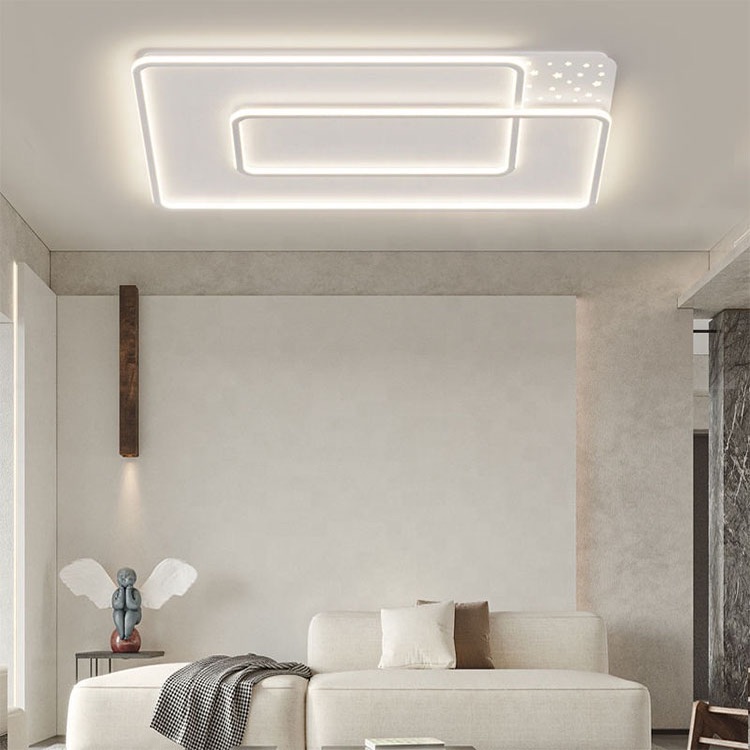
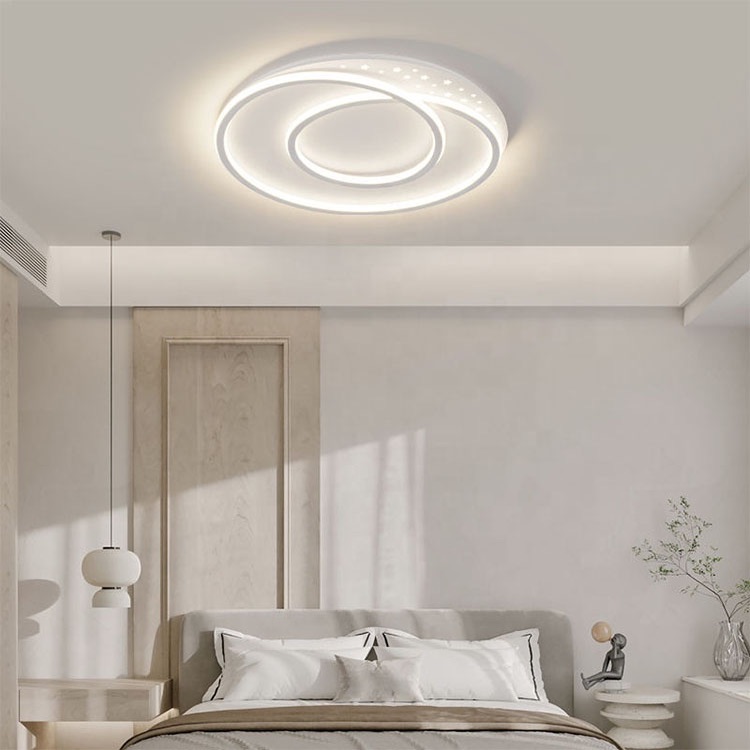
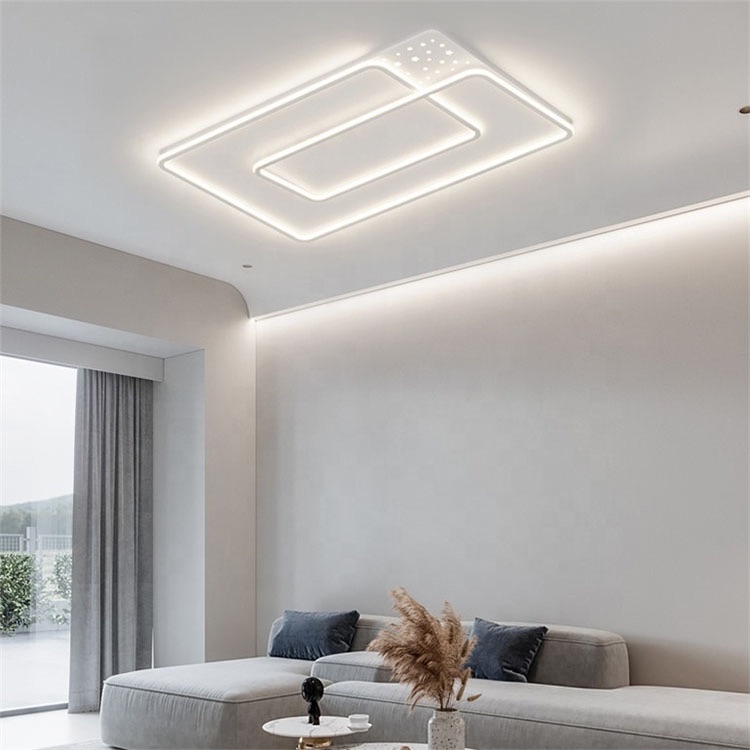
Plafoniere commerciali rotonde e quadrate: Quale si adatta meglio
Indice dei contenuti
Il dibattito sulla forma è di solito una storia di copertura
La maggior parte degli acquirenti pone la domanda sbagliata.
Rotondo o quadrato?
Va bene. Chiedimelo. Ma prima ti dirò quello che di solito si tace: la forma dell’apparecchio è raramente il problema principale in un progetto di illuminazione commerciale, e quando un progetto fallisce, di solito è perché l’acquirente ha ignorato l’angolo del fascio luminoso, l’abbagliamento, il modulo a soffitto, il flusso luminoso, la qualità del driver, l’accessibilità per la manutenzione, il CRI, il CCT, l’SDCM e se l’apparecchio sia effettivamente adatto a quella stanza.
La forma conta. Ma non è l'unico fattore che conta.
Ho visto team di progetto fissarsi sulle lampade da soffitto commerciali rotonde perché “danno un’impressione più morbida”, per poi installarle in una rigida griglia da ufficio da 600 × 600 mm, dove ogni cerchio sembra una moneta caduta nel posto sbagliato. Ho anche visto lampade da soffitto commerciali quadrate inserite a forza nei corridoi degli hotel, dove il soffitto diventa una fila di piccoli timbri freddi. Entrambi gli errori sono costosi. Entrambi erano prevedibili.
Allora, quale delle due è più adatta?
La risposta sincera: le plafoniere commerciali rotonde si adattano solitamente meglio a strutture ricettive, sale d’attesa, corridoi, atri e interni con arredi dalle linee curve, finiture morbide o soffitti con configurazioni miste. Le plafoniere commerciali quadrate si adattano solitamente meglio a uffici, spazi commerciali, soffitti modulari e ambienti commerciali in cui l’allineamento, la ripetizione e la disciplina architettonica contano più della morbidezza decorativa.
Sembra semplice. Ma non lo è.
I dati che nessuno vuole discutere prima di scegliere le plafoniere commerciali
L'illuminazione non è arte da parete. È un'infrastruttura.
Il Rapporto del Dipartimento dell'Energia degli Stati Uniti sull'adozione dei LED Si stima che l’adozione dei LED abbia consentito un risparmio energetico annuo negli Stati Uniti pari a 1,3 quadrilioni di Btu nel 2018, equivalenti a $14,7 miliardi di risparmi sui costi per i consumatori e a circa il 5% del consumo totale di elettricità degli edifici in quell’anno. Lo stesso rapporto afferma che il potenziale teorico dei prodotti LED efficienti e connessi potrebbe superare i 5 quadrilioni, circa quattro volte il risparmio già ottenuto.
Ma ecco la dura realtà: il risparmio energetico non basta a salvare un soffitto mal fatto.
Un apparecchio economico da 20 W con ottiche di scarsa qualità può tecnicamente consentire un risparmio energetico, ma comunque far sembrare un ingresso simile a una clinica, rendere un ufficio troppo austero o far apparire piatta l’esposizione di un negozio. Ecco perché il dibattito sulla forma deve inserirsi in un contesto più ampio: come scegliere le plafoniere commerciali in base alla funzione che si vuole effettivamente attribuire all’ambiente.
Il Analisi del Lawrence Berkeley National Laboratory sui sistemi di controllo dell'illuminazione negli edifici commerciali ha analizzato 240 stime di risparmio tratte da 88 articoli e casi di studio, con un potenziale medio di risparmio energetico nell’illuminazione pari a 24% per i sistemi di controllo della presenza, 28% per l’illuminazione naturale, 31% per la regolazione personalizzata, 36% per la regolazione istituzionale e 38% per approcci di controllo multipli. Non è stata la forma a generare tali risparmi. Sono stati i sistemi di controllo. È stata la disposizione degli spazi. È stata la messa in servizio.
A ciò si aggiunge la pressione derivante dalla conformità normativa. La norma OSHA sull’illuminazione nei cantieri stabilisce che le aree di cantiere, le rampe, i corridoi, gli uffici, i magazzini e i depositi debbano soddisfare intensità luminose minime durante lo svolgimento dei lavori; la Tabella D-3 elenca i valori in foot-candle in base al tipo di area. Il punto non è che ogni ufficio una volta completato debba attenersi a quella tabella per sempre; il punto è che i livelli di illuminazione sono misurabili, verificabili e legati a reali aspettative di sicurezza.
La forma è visibile. Le prestazioni sono verificabili.
Questa è la scomoda divisione che caratterizza il settore.
Plafoniere commerciali rotonde: Dove vincono davvero
Le plafoniere commerciali rotonde sono la scelta ideale quando si desidera che il soffitto appaia meno rigido, meno formale e meno caratterizzato da una struttura a griglia.
Mi piacciono gli apparecchi di illuminazione rotondi nelle hall, nei corridoi degli hotel, nelle zone reception, nei bar, negli spazi dedicati al benessere, nei negozi boutique e nelle aree di passaggio. Si inseriscono con naturalezza in stili di design più morbidi. Funzionano bene anche come faretti da incasso commerciali, dove la luce è pensata per fondersi con il soffitto piuttosto che risaltare.
Se dovessi progettare un atrio, inizierei esaminando una linea di prodotti funzionali come quella di Meagree’s Illuminazione a soffitto a LED categoria, per poi restringere la ricerca alle ottiche antiriflesso, all’angolo del fascio luminoso, al CCT, al CRI e alla profondità dell’alloggiamento. La forma verrebbe dopo.
Round eccelle in tre cose.
Riduce l'impatto visivo. Un'apertura circolare risulta meno invadente rispetto a un'apertura quadrata, specialmente a 2700K, 3000K o 3500K. Nei progetti per il settore alberghiero e dell'ospitalità, questo aspetto è importante.
Nasconde i piccoli difetti di allineamento. Nei progetti di ristrutturazione in cui il soffitto non è perfetto, le lampade rotonde riescono a mascherare meglio le lievi asimmetrie rispetto a quelle quadrate. Non sempre. Spesso.
Supporta l'illuminazione a più livelli. Un faretto rotondo può essere posizionato accanto a proiettori da parete, faretti su binario, file di luci lineari, lampade a sospensione e illuminazione decorativa senza entrare in contrasto con le altre forme presenti nella stanza.
Ma la forma rotonda non è magica.
Se si installano troppi apparecchi rotondi in un soffitto a griglia rigida, l’effetto finale risulterà di scarsa qualità. Se si utilizzano ottiche poco profonde e un’elevata potenza luminosa, l’abbagliamento darà fastidio alle persone sedute sotto. Se si sceglie un CRI 80 quando l’atrio richiede un CRI 90, un’elevata intensità R9 o un controllo rigoroso dell’SDCM, lo spazio apparirà illuminato in modo tecnicamente corretto ma privo di calore emotivo.
Plafoniere commerciali quadrate: La griglia ha un motivo
Le plafoniere quadrate commerciali trovano la loro collocazione ideale laddove l’edificio si caratterizza già per le sue linee.
Uffici. Corsie dei negozi. Aule scolastiche. Ambulatori. Corridoi con moduli a soffitto rettangolari. Supermercati. Aree di servizio. Sale riunioni. Soffitti a griglia. Soffitti in cartongesso con diffusori lineari per impianti di climatizzazione e pannelli acustici rettangolari.
In questi ambienti, gli apparecchi di illuminazione quadrati spesso sembrano più studiati rispetto a quelli rotondi, poiché si allineano con l’ordine architettonico già presente sul soffitto. Ecco perché i pannelli luminosi a LED per uffici sono così diffusi: la griglia del controsoffitto è rettangolare, le scrivanie sono rettangolari, i diffusori dell’impianto di climatizzazione sono rettangolari, i pannelli acustici sono rettangolari e l’illuminazione segue la stessa logica.
Tutti gli uffici dovrebbero utilizzare lampade quadrate?
No. È un ragionamento superficiale.
Ma se l’ambiente è strutturato attorno a rettangoli ripetuti, le plafoniere commerciali quadrate possono conferire al soffitto un aspetto ordinato anziché decorativo. Negli uffici open space, i pannelli quadrati e i faretti quadrati possono inoltre semplificare la disposizione degli spazi, la manutenzione e la sostituzione, poiché gli appaltatori riescono a cogliere rapidamente lo schema.
Il pericolo è la noia visiva.
Gli apparecchi quadrati possono conferire rapidamente a un interno commerciale un’atmosfera istituzionale, soprattutto se utilizzati in modo eccessivo a 4000K o 5000K con diffusione piatta e senza uno strato di illuminazione d’accento. Preferirei vedere un mix ben equilibrato: illuminazione d’ambiente quadrata o rettangolare per i piani di lavoro, seguita da downlight rotondi selettivi, faretti su binario o wall washer per la reception, la segnaletica, le superfici verticali e i punti di risalto del marchio.
È qui che emerge la visione più ampia di Meagree gamma di illuminazione commerciale a LED è utile perché la scelta non dovrebbe essere limitata a una sola famiglia di apparecchi. Le plafoniere, i faretti da incasso, i sistemi lineari, i faretti direzionali e l’illuminazione a binario risolvono tutti problemi diversi.
Plafoniere commerciali rotonde e quadrate: La tabella degli acquirenti
Fattore decisionale
Lampade da soffitto rotonde per uso commerciale
Plafonieri quadrati per uso commerciale
La mia opinione schietta
Spazi ottimali
Atri, corridoi degli hotel, sale d’attesa, caffetterie, aree reception, negozi di moda
Uffici, supermercati, aule scolastiche, ambulatori, controsoffitti modulari, file di negozi
Adattati alla geometria della stanza prima di pensare allo stile
Compatibilità con i soffitti
Correzione in caso di soffitti misti o imperfetti
Ideale per griglie da 600 × 600 mm, pannelli rettangolari e progetti lineari
Square vince quando il soffitto è già a griglia
Sensazione visiva
Più morbido, più tranquillo, meno aziendale
Più pulito, più nitido, più ordinato
La forma rotonda trasmette un senso di umanità; quella quadrata trasmette un senso di controllo
Intervallo di potenza comune
6 W, 12 W, 15 W, 20 W, 25 W, 30 W a seconda dell'altezza e del fascio luminoso
12 W, 18 W, 24 W, 30 W, 36 W, 40 W a seconda del tipo di apparecchio
La potenza in watt non è un metodo di progettazione illuminotecnica
Rischio di abbagliamento
Elevato se la profondità di campo è ridotta o se il fascio non è ben controllato
Alto se i pannelli piatti sono troppo luminosi o troppo distanziati tra loro
Richiedi i dati relativi a UGR, angolo di fascio e modelli di prova
Rendimento dell'ufficio
Ideale per la reception, i corridoi, le sale riunioni e le aree direzionali
Ideale per uffici open space e configurazioni di scrivanie ripetitive
Se in ufficio si svolgono attività di vario tipo, è bene variare le forme
Prestazioni al dettaglio
Ideale per creare un tocco di stile e un’atmosfera da boutique
Ottimo per la logica di disposizione lungo i corridoi e l'ordine visivo
Il settore retail ha bisogno di un’illuminazione verticale, non solo di luminosità proveniente dal soffitto
Logica di manutenzione
Facile da integrare in molte gamme di faretti da incasso
Facile da installare nei sistemi modulari per controsoffitti e pannelli
La coerenza nella sostituzione è fondamentale per le implementazioni su più sedi
Valore UGR, qualità del diffusore, sfarfallio del driver, classificazione CCT, adattamento del telaio del pannello
Senza file IES, non c'è fiducia seria
La vera pila delle specifiche: Smettere di acquistare solo in base alla forma
Ecco la parte che alcuni fornitori detestano.
Le plafoniere a LED per uso commerciale non dovrebbero essere approvate sulla base di un'immagine tratta da un catalogo, bensì sulla base di una documentazione tecnica completa.
Inizia dalla stanza. Poi il compito. Poi il soffitto. Poi l'aspetto estetico. Poi i comandi. Infine la forma.
Per gli uffici, voglio conoscere la disposizione delle scrivanie, la densità degli schermi, l’altezza del soffitto, la riflettanza, l’esposizione alla luce naturale, la posizione dei diffusori dell’impianto di climatizzazione e se il personale lamenta problemi di abbagliamento. Per i negozi, mi interessano l’altezza degli scaffali, il colore dei prodotti, l’illuminamento verticale, il CRI, l’R9, l’ampiezza del fascio luminoso, la flessibilità dei binari e se l’illuminazione fa sembrare la merce più costosa di quanto non sia. Per il settore alberghiero, mi interessano il tono della pelle, le ombre, il calore, il comportamento della regolazione dell’intensità luminosa e se l’ospite sembra stanco sotto quella luce.
Le migliori lampade da soffitto per gli spazi commerciali non sono sempre quelle più luminose. Spesso sono proprio quelle di cui nessuno si lamenta sei mesi dopo l’apertura.
Se hai bisogno di un quadro tecnico, la guida di Meagree su 10 parametri chiave nella progettazione dell'illuminazione commerciale è il tipo di pagina più adatto da abbinare a questa decisione, poiché sposta il dibattito oltre la forma, affrontando temi quali l’illuminamento, l’uniformità, l’abbagliamento, l’angolo del fascio luminoso, il CCT, il CRI, i sistemi di controllo, l’affidabilità e la documentazione.
La documentazione relativa alla misura ComStock 2025 del NREL ha modellato un pacchetto comprendente illuminazione a LED + prestazioni standard HP-RTU + caldaia ASHP e ha riportato un risparmio energetico totale in loco pari a 17,81 TP4T per il patrimonio edilizio commerciale degli Stati Uniti, con un risparmio sull’illuminazione elettrica interna pari a 35,61 TP4T su tutti gli edifici e a 37,91 TP4T sugli edifici applicabili. Questa è la portata dei risparmi economici nascosti in specifiche tecniche più avanzate.
Ma, ripeto: i calcoli energetici non sono un pretesto per realizzare soffitti brutti.
Il mio libro di regole per uffici, negozi, alberghi e lobby
Uffici
Utilizzate plafoniere quadrate di tipo commerciale o pannelli luminosi a LED per gli uffici quando il soffitto è modulare e l'obiettivo principale è ottenere un'illuminazione da lavoro stabile e uniforme.
Allora rompi la monotonia.
Aggiungete faretti da incasso rotondi per uso commerciale nella reception, agli ingressi delle sale riunioni, nelle zone di collaborazione, negli angoli relax e nei punti di passaggio. Se ogni pannello quadrato svolge la stessa funzione con la stessa luminosità per tutto il giorno, l’ufficio risulterà monotono. I dipendenti potrebbero non descriverlo in termini tecnici, ma lo percepiranno.
Vendita al dettaglio
L'illuminazione nei negozi dovrebbe favorire le vendite, non limitarsi a illuminare.
Gli apparecchi quadrati consentono di organizzare le corsie, soprattutto nei supermercati o nelle catene di negozi. I downlight rotondi e i faretti possono creare una gerarchia attorno alle isole espositive, alle casse, alle aree di prova e alle zone dedicate ai prodotti di fascia alta. Nei settori della moda, dei cosmetici, della gioielleria e dell’ospitalità, un CRI 90 e ottime prestazioni R9 spesso valgono più del prezzo più basso di un apparecchio.
Qui è dove Faretti LED possono fungere da strumento di impatto visivo: sono in grado di attirare l’attenzione, definire delle zone e conferire all’esposizione di un prodotto un aspetto studiato.
Hotel e corridoi
Di solito vince Round.
I corridoi degli hotel sono lunghi, monotoni e delicati dal punto di vista psicologico. Gli ospiti ne percepiscono l’asprezza perché camminano lentamente, cercano i numeri delle camere e osservano il soffitto da un’angolazione ravvicinata. I faretti rotondi antiriflesso, le plafoniere lineari o gli apparecchi da incasso disposti con cura di solito trasmettono un’atmosfera più accogliente rispetto ai pannelli quadrati.
In molti corridoi delle strutture ricettive, utilizzare una temperatura di colore di 2700K o 3000K. Ridurre al minimo l’abbagliamento. Evitare di illuminare eccessivamente il pavimento trascurando la visibilità dei numeri delle camere e delle superfici delle pareti.
Lobby
Gli apparecchi di illuminazione rotondi spesso si adattano meglio alle hall, ma quelli quadrati possono essere una valida soluzione per i grattacieli aziendali, le gallerie e gli spazi di accoglienza in stile minimalista.
Il fattore determinante non è il gusto. È la geometria.
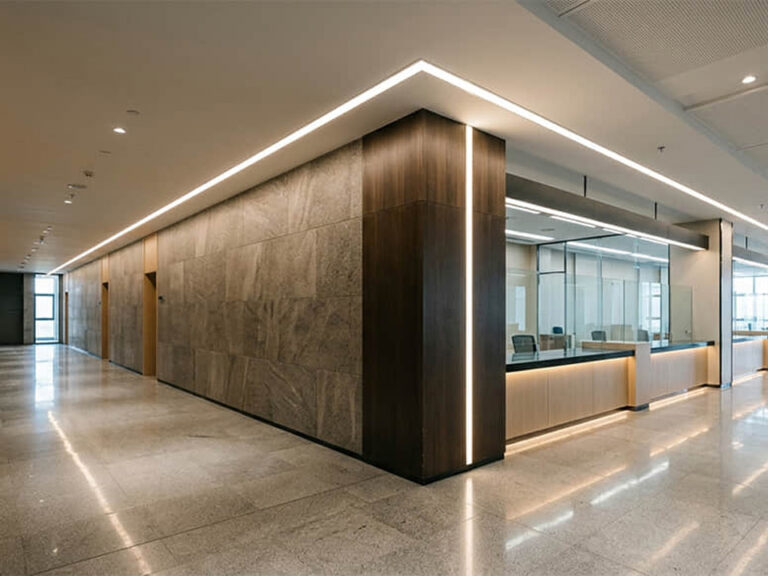
Se la hall presenta lastre di pietra, cassettoni rettangolari a soffitto, banchi reception lineari e una forte disposizione assiale, i faretti quadrati a soffitto possono apparire troppo rigidi. Se invece la hall presenta sedute curve, materiali caldi, piante, elementi che evocano l’ospitalità e percorsi di circolazione più morbidi, i faretti rotondi a soffitto di solito risultano più naturali.
La trappola dell'approvvigionamento: perché le plafoniere commerciali economiche diventano costose
Un prezzo unitario basso può essere un'esca.
Un acquirente vede due apparecchi: uno rotondo e uno quadrato. Vince quello più economico. A quel punto sorgono i problemi: CCT non uniforme tra i lotti, sfarfallio visibile, regolazione dell’intensità luminosa inadeguata, abbagliamento fastidioso, assenza del file IES, dati LM-79 mancanti, garanzia del driver insufficiente, finitura antiestetica o un alloggiamento fuori produzione già sei mesi dopo il primo acquisto.
Quello non è un risparmio. È solo un dolore rimandato.
Per l'approvvigionamento B2B, chiederei a ogni fornitore di fornirmi questi elementi prima di approvare una delle due opzioni:
File fotometrici IES o LDT
Opzioni CCT: 2700K, 3000K, 3500K, 4000K
Disponibilità CRI 80 rispetto a CRI 90
Dati R9: quando la qualità del colore è fondamentale
Valore target SDCM, preferibilmente ≤3 per le aree commerciali visibili
Opzioni relative all'angolo del fascio, quali 15°, 24°, 36°, 60°
UGR: quando il comfort in ufficio è fondamentale
Marca del driver, protocollo di regolazione dell'intensità luminosa e comportamento dello sfarfallio
Uniformità delle finiture degli alloggi
Note sulla gestione termica
Assistenza in materia di garanzia e riordini
Quantità minima ordinabile (MOQ), tempi di consegna dei campioni, tempi di consegna degli ordini all'ingrosso e dettagli sull'imballaggio
Non mi fido della dicitura “uguale al campione” a meno che il fornitore non sia in grado di dimostrare il rispetto dei criteri di classificazione e della disciplina produttiva. Può sembrare severo, ma è anche il modo per evitare di pentirsi in seguito.
Sono meglio le plafoniere rotonde o quadrate?
Le plafoniere rotonde sono più indicate quando il progetto richiede morbidezza, comfort visivo, un’atmosfera accogliente e flessibilità in presenza di soffitti misti. Le plafoniere quadrate sono più indicate quando il progetto richiede allineamento a griglia, ripetizione ordinata, sostituzione modulare e un approccio rigoroso tipico degli uffici o dei negozi.
Ma le migliori plafoniere commerciali sono quelle che si adattano alla configurazione del soffitto, alla funzione della stanza e al modello di manutenzione a lungo termine.
In parole povere: la forma rotonda è solitamente la scelta emotiva, quella quadrata è solitamente la scelta architettonica, e nessuna delle due riesce a salvare una progettazione dell’illuminazione mal concepita.
Domande frequenti
Cosa sono le plafoniere commerciali?
Le plafoniere commerciali sono apparecchi di illuminazione a soffitto progettati per uffici, negozi al dettaglio, hotel, corridoi, atri, supermercati, cliniche e altri spazi commerciali in cui la resa luminosa, il controllo dell'abbagliamento, l'affidabilità, la conformità, l'accesso per la manutenzione e la coerenza visiva contano più dello stile decorativo residenziale. I prodotti comprendono downlight da incasso, apparecchi a montaggio superficiale, pannelli LED, luci lineari e plafoniere LED commerciali.
In pratica, la scelta dell'apparecchio più adatto dipende dall'altezza del soffitto, dal tipo di attività, dall'angolo di fascio, dalla CCT, dal CRI, dalla qualità del driver, dal metodo di regolazione dell'intensità luminosa e dal numero di apparecchi previsti per il progetto. La forma è un fattore da considerare, ma non dovrebbe mai costituire il primo criterio di selezione.
Le plafoniere commerciali rotonde sono migliori di quelle quadrate?
Le plafoniere commerciali rotonde sono più adatte a interni più morbidi come lobby, spazi per l'ospitalità, corridoi, saloni, caffè e zone di accoglienza, mentre le plafoniere commerciali quadrate sono più adatte a soffitti a griglia, uffici, corridoi di vendita al dettaglio, layout modulari e spazi in cui l'allineamento visivo è più importante del calore decorativo. La scelta migliore dipende dall'architettura e dal compito.
Non mi chiederei “Quale forma è migliore?” in modo isolato. Mi chiederei piuttosto quale forma si adatti al sistema a soffitto, alla geometria degli arredi, all’obiettivo di comfort visivo e al piano di manutenzione.
Quando utilizzare le plafoniere commerciali quadrate?
Le plafoniere commerciali quadrate dovrebbero essere utilizzate quando il soffitto presenta già una struttura rettangolare o modulare, come le griglie da ufficio da 600 × 600 mm, le file di negozi, le aule scolastiche, gli ambulatori, i supermercati e gli interni commerciali lineari in cui l’allineamento ripetitivo conferisce allo spazio un aspetto più pulito e studiato. Danno il meglio di sé quando l’architettura privilegia le linee rette.
Sono particolarmente utili quando il progetto prevede l'utilizzo di pannelli luminosi a LED per uffici, cicli di sostituzione ripetuti o implementazioni in più sedi, dove l'uniformità degli apparecchi e la velocità di installazione sono fondamentali.
Quando utilizzare le plafoniere commerciali rotonde?
Le plafoniere commerciali rotonde sono indicate quando il progetto richiede un effetto visivo più morbido, un’estetica del soffitto meno rigida, una migliore integrazione con il design degli spazi ricettivi o una maggiore flessibilità di posizionamento in contesti di ristrutturazione in cui è difficile ottenere un perfetto allineamento con la griglia. Sono comunemente utilizzate in atri, corridoi, negozi boutique, spazi alberghieri, ristoranti e aree reception di prestigio.
Per garantire il comfort visivo, darei la priorità a finiture antiriflesso, ottiche più profonde, angoli di fascio adeguati e temperature di colore (CCT) da calde a neutre, come 2700K, 3000K o 3500K.
Come scegliere le plafoniere commerciali per un ufficio?
Per scegliere le lampade da soffitto commerciali per un ufficio, occorre innanzitutto considerare le attività lavorative, la disposizione delle scrivanie, l’altezza del soffitto, l’uso degli schermi, l’esposizione alla luce naturale, il rischio di abbagliamento e le esigenze di manutenzione, prima di optare per lampade di forma rotonda o quadrata. La maggior parte degli uffici necessita di un’illuminazione d’ambiente controllata, di un’uniformità confortevole, di alimentatori affidabili e, talvolta, di un’illuminazione d’accento separata per la reception o le zone riunioni.
Un pannello LED quadrato può essere adatto alle aree con postazioni di lavoro aperte, mentre le plafoniere commerciali rotonde ad incasso potrebbero essere più indicate per la reception, le aree lounge o gli uffici dirigenziali.
Quali sono le migliori plafoniere per spazi commerciali?
Le migliori lampade da soffitto per gli spazi commerciali sono quelle che si adattano alla funzione dell’ambiente, alla struttura del soffitto, agli obiettivi di comfort visivo, alla strategia energetica, al piano di manutenzione e all’immagine del marchio, piuttosto che limitarsi a offrire la potenza massima o il prezzo unitario più basso. Una buona illuminazione commerciale garantisce un equilibrio tra prestazioni ottiche, efficienza, affidabilità, CCT, CRI, controllo dell’abbagliamento e documentazione.
Per molti progetti, la soluzione migliore non è un unico tipo di prodotto, bensì una combinazione coordinata di faretti da incasso, pannelli luminosi, illuminazione lineare e apparecchi di illuminazione d'accento.
Riflessioni finali: Scegliere la logica del soffitto prima della forma dell'apparecchio
Non iniziare il tuo prossimo progetto di illuminazione a soffitto commerciale chiedendo preventivi per lampade “rotonde o quadrate”.
Inizia indicando la pianta del soffitto con riflessi, l'altezza del soffitto, la destinazione d'uso dell'ambiente, il livello di lux desiderato, il CCT, il CRI, il livello di abbagliamento previsto, i requisiti di regolazione dell'intensità luminosa, la finitura preferita, la quantità e il piano di riordino. Quindi scegli la forma.
Se state progettando un intervento di illuminazione per uffici, atri, negozi, strutture ricettive o corridoi, date un’occhiata alla gamma di prodotti Meagree Illuminazione a soffitto a LED e illuminazione commerciale a LED valutare le opzioni, selezionare i modelli rotondi e quadrati, richiedere i file fotometrici e approvare i campioni in condizioni reali di installazione a soffitto prima di procedere all'ordine all'ingrosso.