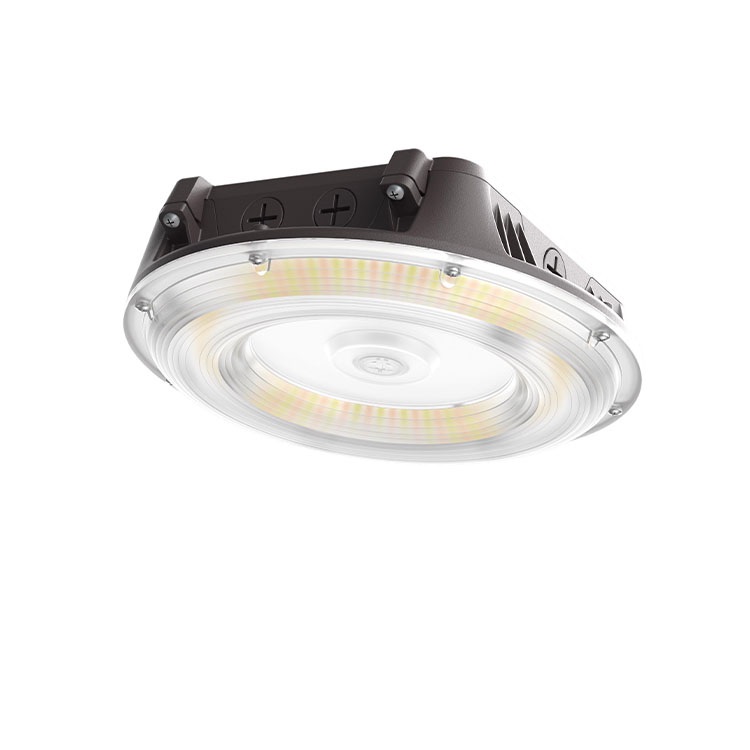
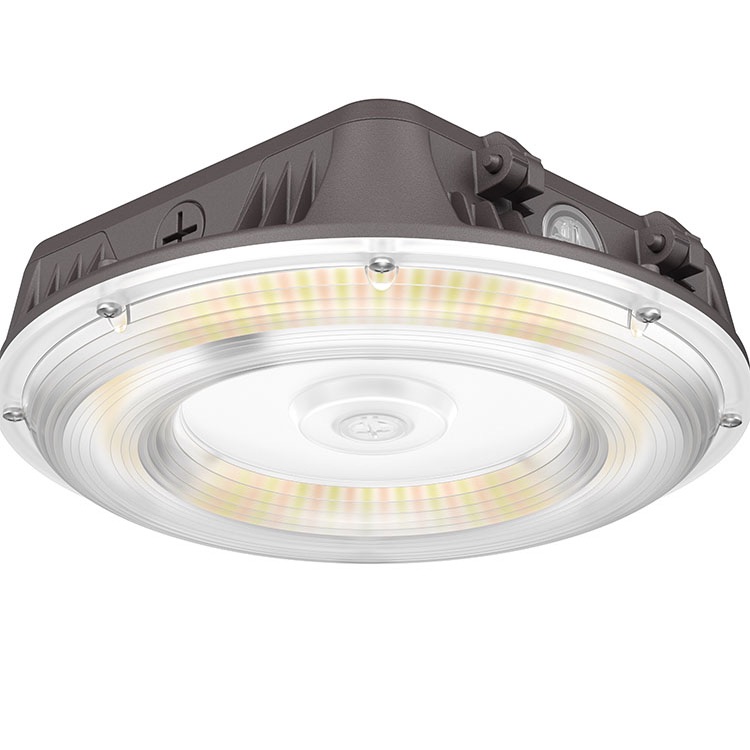
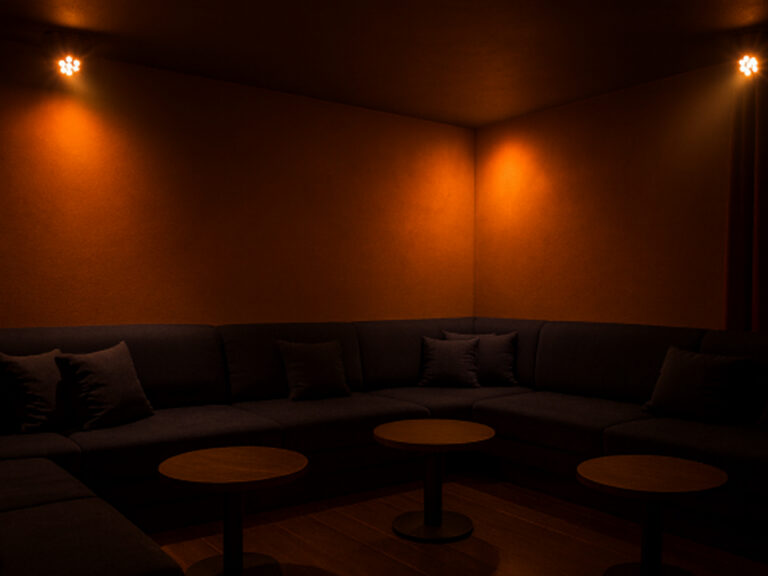
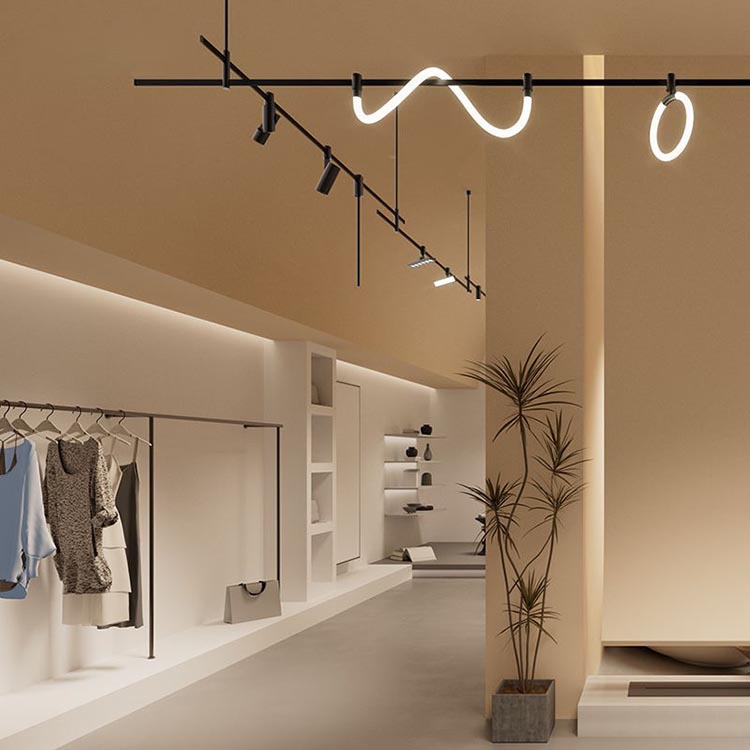
Still Not Seeing the Right Commercial Lighting Solution? Talk to Our Project Team.
If you have reviewed the website or already discussed options with sales but still need a clearer direction, send your request here. Our team will review your application, target specifications, and project constraints, then reply with a practical next step: what fits, what needs confirmation, and the fastest route to a quote and spec-ready files for your project.
Direct review of your application, specs, and project constraints for a clearer quote path.
Product matching across beam angle, CCT / CRI, drivers, dimming, and controls options.
Project documentation support, including cut sheets, wiring notes, and IES / LDT files where available.
OEM / ODM guidance for labels, packaging, housing finish, and private-brand requirements.
Get a Fast Quote for Commercial LED Lighting
Built for designers, architects, contractors, wholesalers, and project buyers. Share your application, quantity, and target specifications to get factory-direct pricing, lead-time guidance, and spec-ready support for US and EU projects.
What Commercial Projects Are Best Suited for LED Ceiling Lights
Some projects fit.
Others pretend to.
I’ve seen buyers treat commercial LED ceiling lights like a universal cure: throw in a few panels, pick 4000K, ask for “high lumen,” and hope the architect, electrician, tenant, facility manager, and end user all stop complaining. But that is not how commercial lighting works, and anyone who has survived one bad office retrofit knows it.
So what commercial projects are actually best suited for LED ceiling lights?
The short answer: projects with repetitive ceiling grids, long operating hours, strict maintenance expectations, and people working under the light for hours at a time. Offices. Retail chains. Hotels. Hospitals. Schools. Supermarkets. Corridors. Public buildings. Clean commercial interiors where the ceiling is not just decoration, but infrastructure.
The hard truth is less polite: if the project team cannot define beam angle, CCT, CRI, UGR, dimming protocol, ceiling height, installation method, emergency lighting requirement, and maintenance access, they are not buying lighting. They are buying future complaints.
Table of Contents
The Real Test: Is the Ceiling Doing Work or Just Hiding Wires?
Commercial LED ceiling lights make sense when the ceiling plane is part of the performance system. That means the fixture is not there merely to “look modern.” It is there to deliver measurable light distribution, visual comfort, wattage control, and repeatable installation across 10, 100, or 1,000 spaces.
This is why offices, retail stores, hospitality corridors, clinics, classrooms, and supermarket service areas are such strong matches. These environments need lighting that is consistent, documentable, and boring in the best possible way.
Boring sells leases.
A decorative pendant may win a rendering review, but in a 1,200-square-meter office floor with 600 x 600 mm ceiling modules, open workstations, meeting rooms, video-call zones, and maintenance crews who do not want custom chaos above every desk, well-specified commercial-grade LED ceiling lighting usually wins the operational argument.
There is evidence behind the money talk. The U.S. Department of Energy reports that LED lighting could top 569 TWh in annual energy savings by 2035, while ENERGY STAR states that LED products can produce light up to 90% more efficiently than incandescent lamps. That is not marketing poetry; that is why CFOs keep approving lighting upgrades when HVAC and envelope work get delayed. See the U.S. Department of Energy LED lighting data and ENERGY STAR LED efficiency guidance.
Best-Fit Commercial Projects for LED Ceiling Lights
Office Interiors and Corporate Fit-Outs
Offices are probably the cleanest use case for commercial LED ceiling lights. Open-plan work areas, meeting rooms, corridors, reception zones, copy rooms, and break areas all benefit from controlled ceiling-mounted illumination.
But here is where many teams get lazy: they specify “office LED ceiling lights” and forget glare.
Bad move.
For office projects, I would rather see a modest lumen package with UGR<19, 80+ or 90+ CRI, 3500K–4000K CCT, 0–10V or DALI dimming, and proper spacing than a bright fixture that turns every desk into a reflective punishment device. The best LED ceiling lights for offices are not the brightest. They are the least annoying after six hours of spreadsheets.
For deeper planning, Meaglee’s commercial lighting design guidance fits naturally here because office projects depend on layout thinking, beam control, and task-based zoning rather than fixture count alone.
Retail Stores, Boutiques, and Shopping Spaces
Retail is where I disagree with many budget-driven contractors. General ceiling lighting matters, yes. But retail lighting cannot stop there.
Commercial LED ceiling lights are best used as the base layer in retail: fitting rooms, cashier areas, aisles, stockrooms, circulation zones, and general customer movement paths. Product drama should usually come from track lights, spotlights, or linear accents.
Why?
Because ceiling panels alone flatten merchandise. They make a $300 jacket look like warehouse inventory. In grocery, cosmetics, jewelry, fashion, and showroom environments, the ceiling light should create safe, comfortable navigation while accent fixtures create the sale.
Hotels are brutal testing grounds. Guests notice glare. Housekeeping notices flicker. Maintenance notices drivers. Owners notice electricity bills. Designers notice trim finish. Everyone complains, just at different times.
Commercial LED ceiling lights suit hotel corridors, lift lobbies, back-of-house areas, conference rooms, reception overflow zones, restrooms, and guestroom entry areas. But the specification needs restraint: 2700K–3000K for warmer hospitality zones, tight color consistency such as 3-step SDCM, anti-glare optics, and trim finishes that do not cheapen the interior.
For hospitality ceilings, recessed downlights often outperform flat panels because they look more architectural and give better visual hierarchy. That is where commercial LED downlights belong in the conversation.
Healthcare Clinics, Dental Offices, and Medical Corridors
Healthcare projects are excellent candidates for LED ceiling lights because they need visibility, sanitation-friendly surfaces, low maintenance, and predictable output. Waiting rooms, corridors, consultation rooms, staff areas, pharmacies, and dental support zones all benefit.
Still, do not confuse a clinic corridor with an operating room. They are not the same problem.
For general healthcare interiors, 4000K, CRI 90, low flicker drivers, sealed or easy-clean fixture designs, and consistent diffusion are often more important than chasing the lowest wattage. In dental rooms or aesthetic clinics, color rendering becomes a business issue because skin tone, tooth shade, and product color need to look honest.
Schools, Universities, and Training Centers
Classrooms, libraries, laboratories, corridors, lecture halls, and admin offices are strong matches for LED panel lights for commercial spaces. Schools usually have long operating hours, repetitive rooms, tight budgets, and limited maintenance windows.
The buying logic is simple: fewer lamp changes, better control, less heat, and lower energy use.
But education projects should avoid harsh, cold lighting. I see too many classrooms specified at 6500K because someone thought “cool white” meant “focused.” It often just means institutional fatigue. In most learning spaces, 3500K–4000K with good diffusion and low flicker is the safer specification.
Supermarkets and Convenience Stores
Supermarkets are a mixed case. Ceiling lights work well in general aisles, checkout zones, service corridors, storage rooms, staff areas, and low-ceiling retail sections. But fresh produce, meat, bakery, wine, and promotional displays need specialized optics and color strategy.
Do not use one ceiling fixture family for the whole supermarket.
That mistake is common. It is also expensive, because food retail lives on visual trust. Tomatoes, bread, fish, beef, and packaged goods do not ask for the same spectrum or beam angle.
A better approach is a layered system: commercial LED ceiling lights for base illumination, linear fixtures for aisle rhythm, and spot or track fixtures for displays. Meaglee’s commercial LED lighting range is a more logical internal reference for this kind of mixed-use retail planning than forcing every area into one fixture type.
Corridors, Lobbies, Stairwells, and Shared Building Areas
If I had to pick the most underrated application, it would be corridors.
Corridors look simple. They are not.
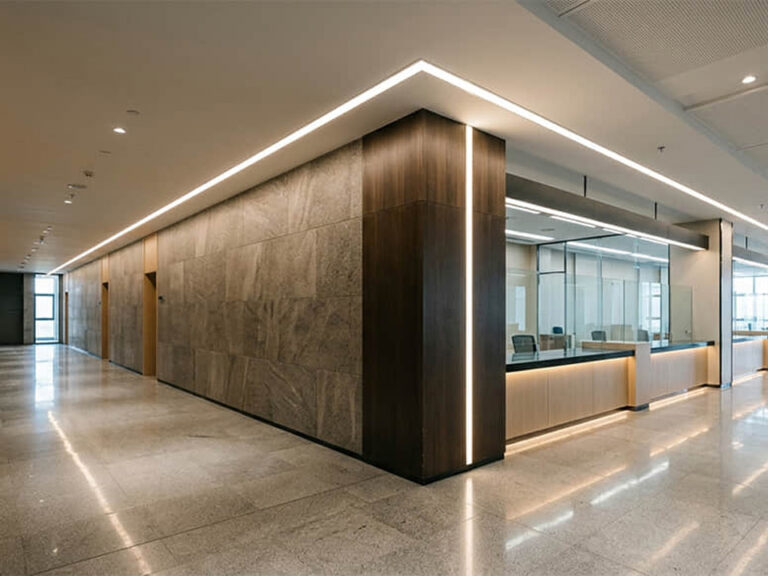
They run long hours, create first impressions, affect perceived safety, and expose poor spacing immediately. LED ceiling lights work well here because they can create rhythmic, low-maintenance illumination without overcomplicating installation. In hotels, offices, apartments, clinics, schools, and public buildings, corridor lighting should be treated as a system: spacing, emergency lighting coordination, glare angle, occupancy control, and service access.
The U.S. General Services Administration found that advanced lighting controls reduced LED lighting energy use by 43% in a test-bed evaluation, which is why occupancy sensors, daylight response, and dimming should not be treated as fancy extras in long-hour spaces. Read the GSA advanced lighting controls evaluation.
Where Commercial LED Ceiling Lights Usually Win or Lose
Project Type
Fit for Commercial LED Ceiling Lights
Recommended Fixture Logic
Watch-Out Risk
Open-plan offices
High
LED panels, recessed ceiling lights, low-glare downlights
UGR, screen reflections, poor dimming
Retail aisles
High
Ceiling lights plus track or spot accents
Flat merchandise presentation
Hotel corridors
High
Recessed downlights, ceiling spotlights, warm CCT
Cheap trim finish, glare at room doors
Classrooms
High
LED panel lights, linear ceiling fixtures
Flicker, excessive CCT, uneven boards
Clinics
High
Sealed ceiling fixtures, CRI 90 options
Color distortion, hard-to-clean designs
Supermarkets
Medium to High
Mixed ceiling, linear, and accent lighting
One-fixture-fits-all specification
Warehouses
Medium
Only for low-ceiling support zones
High-bay areas need different optics
Luxury galleries
Low to Medium
Ceiling base layer plus precision spotlights
Ceiling panels killing contrast
Outdoor canopies
Medium
Weather-rated ceiling fixtures
Wrong IP rating or corrosion risk
The Specification Details That Separate Good Projects from Expensive Regret
CCT: Stop Abusing 6500K
Most commercial LED ceiling lights should not default to 6500K. That color temperature may work in some industrial or inspection-heavy areas, but offices, retail interiors, hotels, schools, and healthcare waiting areas usually live better around 3000K–4000K.
My blunt take: 6500K is often used by people who have not had to sit under it.
For commercial LED ceiling lights, 3000K works well in hospitality and warm retail. 3500K often suits offices and mixed-use interiors. 4000K is common for clinics, classrooms, and supermarkets. Use 5000K only when task visibility genuinely outweighs comfort.
CRI: 80 Is Acceptable; 90 Is Safer for Visual Trust
CRI 80 is still common in many commercial lighting applications. But in retail, healthcare, hospitality, cosmetics, food, and showroom projects, CRI 90 is often worth the cost.
Color matters.
A dress, a steak, a hotel lobby wall finish, a dental shade guide, and a luxury product shelf all depend on believable color. When buyers argue only about watts, I know the project is heading toward a weak result.
UGR and Glare: Brightness Is the Cheap Metric
Glare is where cheap commercial LED ceiling lights reveal themselves. Poor optics, shallow diffusers, exposed chips, uncontrolled beam spread, and glossy surfaces can turn a technically “bright enough” room into a visually hostile one.
This is why anti-glare design is not cosmetic. It is risk control.
In office and education projects, UGR<19 is often used as a practical comfort target. In corridors, hospitality, and reception spaces, deep-recessed optics or well-shielded downlights can reduce harsh cutoff and make the project feel more expensive than it is.
Controls: The Fixture Is Only Half the System
LED ceiling lights without controls are like a fast car stuck in first gear. They work, but badly.
Occupancy sensors, daylight dimming, DALI-2, 0–10V dimming, emergency mode coordination, and scene control can change the operating profile of a building. This matters most in offices, schools, corridors, parking-related interior areas, and shared public spaces where occupancy swings all day.
And yes, code pressure is real. OSHA’s illumination standard for construction work areas lists minimum foot-candle levels for areas such as warehouses, corridors, hallways, exitways, plant areas, shops, and first aid stations; it is a reminder that lighting is also a safety and compliance issue, not just an interior-design choice. See OSHA 1926.56 illumination requirements.
My Strong Opinion: The Best Projects Are Repeatable Projects
The best commercial projects for LED ceiling lights are repeatable projects.
Chain stores. Office floors. Hotel corridors. Clinics. School buildings. Multi-site retail rollouts. Public building renovations. Franchise interiors. Supermarket support areas. Anywhere the buyer needs the same fixture behavior across many rooms, many locations, and many reorder cycles.
That is where factory discipline matters.
If the project involves procurement, sampling, cut sheets, IES or LDT files, CCT binning, driver options, emergency requirements, and repeat orders, buyers should not treat the supplier like a random online fixture listing. They should request documentation early. Meaglee’s guide on documents needed before requesting a commercial lighting quote is useful because real projects need reflected ceiling plans, fixture schedules, electrical drawings, floor plans, and target specifications before a quote becomes meaningful.
A cheap quote with missing photometric files is not a bargain. It is a delay with a price tag.
When LED Ceiling Lights Are the Wrong First Choice
Commercial LED ceiling lights are not always the hero.
In high-bay warehouses, factories, sports halls, exterior facades, museum galleries, luxury jewelry stores, and dramatic hospitality spaces, ceiling lights may be only one layer—or not the right layer at all. High ceilings may need high-bay optics. Galleries need adjustable beam control. Luxury retail needs contrast. Outdoor areas need IP rating, IK rating, corrosion resistance, and thermal planning.
That is why I distrust any supplier who answers every project with the same panel light.
What commercial projects are best suited for LED ceiling lights?
Commercial projects best suited for LED ceiling lights are interiors with repeated ceiling layouts, long operating hours, and a need for uniform, low-maintenance illumination, such as offices, retail stores, hotels, schools, clinics, supermarkets, corridors, and public buildings. These projects benefit from predictable beam control, efficient wattage, dimming compatibility, and clean ceiling integration.
In practice, the strongest matches are projects where the same fixture family can be repeated without visual chaos. If the room needs flexible drama, use track, spot, or linear lighting as an added layer.
Are commercial LED ceiling lights good for offices?
Commercial LED ceiling lights are good for offices when they provide low glare, stable color temperature, proper illuminance, dimming control, and comfortable diffusion across desks, meeting rooms, corridors, and reception areas. The best office systems usually prioritize UGR, CCT, CRI, spacing, and controls instead of simply increasing lumens.
For most offices, I would start with 3500K–4000K, CRI 80 or 90, UGR<19 where appropriate, and 0–10V or DALI dimming. The wrong office light does not look wrong on day one. It feels wrong by month three.
Which LED ceiling lights are best for retail spaces?
The best LED ceiling lights for retail spaces are fixtures that provide clean base illumination while allowing accent lighting to highlight merchandise, shelves, fitting rooms, cashier zones, and promotional displays. Retail projects usually need ceiling lights for navigation and comfort, then track lights, spotlights, or linear lights for contrast and product focus.
Flat, uniform lighting can make products look dull. For fashion, jewelry, cosmetics, grocery, and showroom projects, ceiling fixtures should support the visual strategy rather than replace it.
What specifications matter most for commercial LED ceiling lights?
The most important specifications for commercial LED ceiling lights are lumen output, wattage, beam angle, CCT, CRI, UGR, dimming type, driver quality, SDCM color consistency, installation method, emergency compatibility, and photometric files. These details determine comfort, energy use, compliance readiness, maintenance risk, and whether the installed result matches the design intent.
A serious buyer should ask for IES or LDT files, cut sheets, warranty terms, driver brand options, thermal data, and sample approval before mass production or site-wide rollout.
Are LED panel lights better than downlights for commercial projects?
LED panel lights are better for commercial projects that need broad, uniform illumination across offices, classrooms, corridors, and grid ceilings, while LED downlights are better for projects needing stronger visual hierarchy, architectural appearance, glare control, and more focused beam distribution. The better choice depends on ceiling type, room function, and design expectations.
Panels are efficient and simple. Downlights often look more refined. In many good projects, the answer is not panel or downlight; it is panel plus downlight plus controls.
Final Thoughts: Specify the Project Before You Specify the Fixture
Commercial LED ceiling lights are best for projects where uniform light, repeatable installation, energy savings, and maintenance control matter more than decorative drama. Offices, retail spaces, hotels, clinics, schools, supermarkets, and shared building areas are the obvious winners.
But do not buy from a product photo.
Send the reflected ceiling plan, ceiling height, room function, target CCT, CRI, dimming requirement, emergency lighting needs, quantity, and installation details before asking for a final quote. If you are planning a commercial project and need fixture matching, documentation support, or OEM/ODM supply, start with Meaglee’s commercial LED lighting solutions and request a project-specific recommendation before the specification becomes expensive to fix.