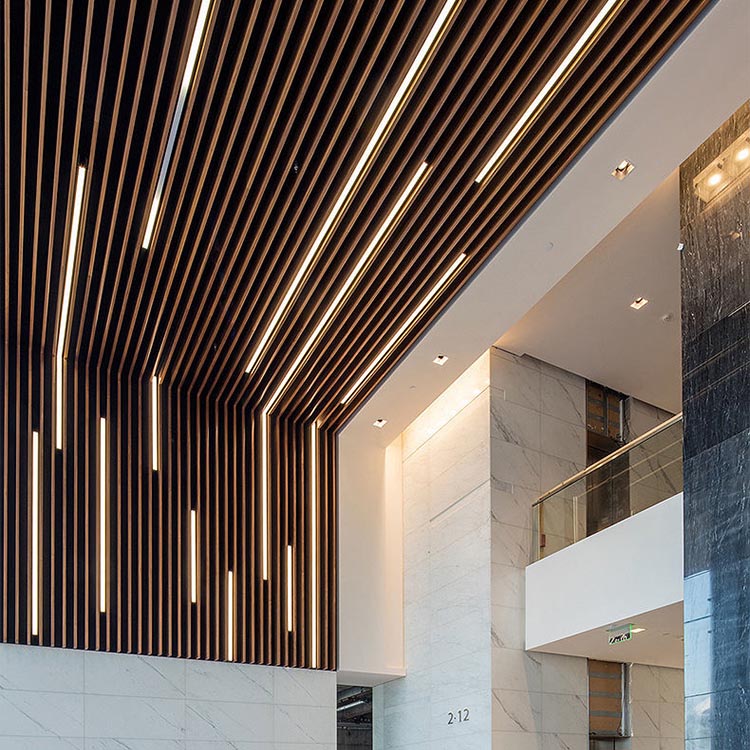
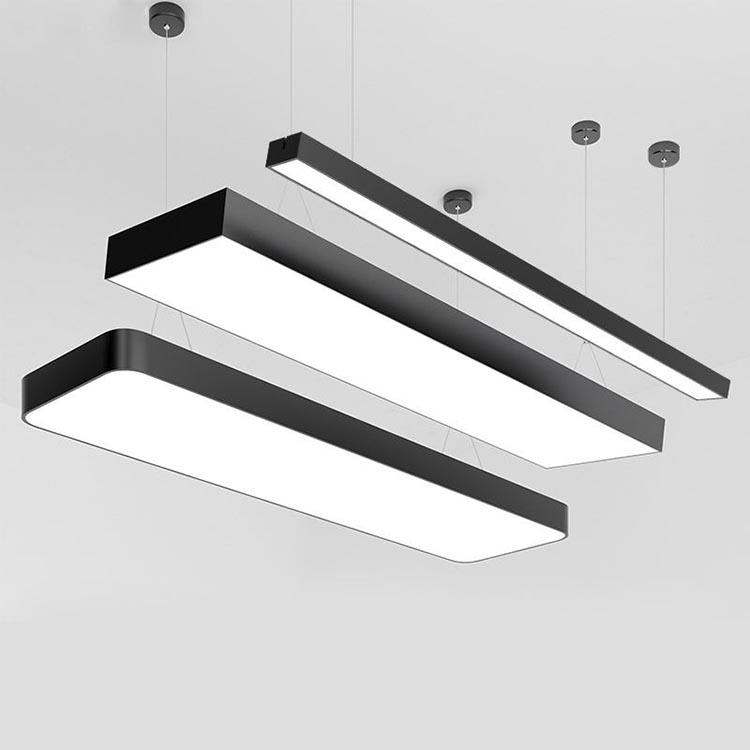
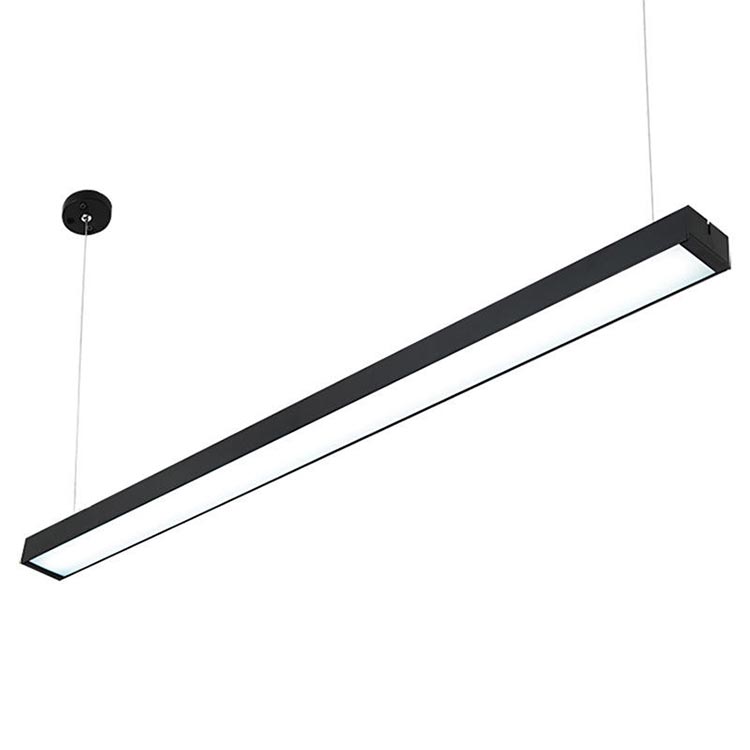
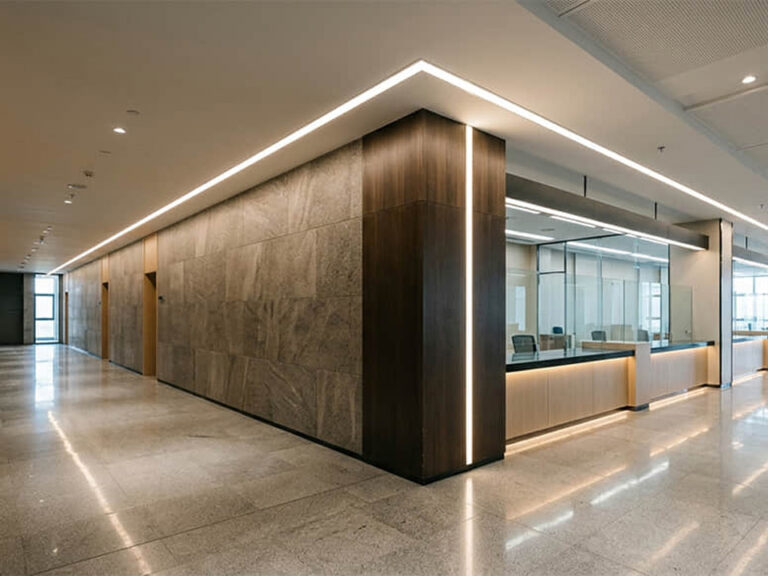
Все еще не нашли подходящего решения для коммерческого освещения? Обратитесь к нашей проектной группе.
Если вы просмотрели веб-сайт или уже обсудили варианты с отделом продаж, но все еще нуждаетесь в более четком направлении, отправьте свой запрос здесь. Наша команда изучит ваше приложение, целевые спецификации и ограничения проекта, а затем ответит, предложив практический следующий шаг: что подходит, что нуждается в подтверждении, и самый быстрый путь к получению предложения и готовых файлов спецификации для вашего проекта.
Непосредственный анализ вашего приложения, спецификаций и ограничений проекта для получения более четкого предложения.
Соответствие продукции по углу излучения, CCT / CRI, драйверам, регулировке яркости и возможностям управления.
Поддержка проектной документации, включая листы разрезов, указания по подключению и файлы IES / LDT, где это возможно.
OEM / ODM руководство по этикеткам, упаковке, отделке корпуса и требованиям к частным торговым маркам.
Получить быструю консультацию по Коммерческое светодиодное освещение
Создан для дизайнеров, архитекторов, подрядчиков, оптовиков и покупателей проектов. Поделитесь своим приложением, количеством и целевыми спецификациями, чтобы получить прямые цены, рекомендации по срокам и поддержку в виде готовых спецификаций для проектов в США и ЕС.
Готовые опции: луч / оптика, цели CCT / CRI / SDCM, драйверы, регулировка яркости и интеграция элементов управления
Проектная документация: разрезы, чертежи и файлы IES / LDT, если таковые имеются
Поддержка OEM / ODM: частные маркировки SKU, упаковка, этикетки, руководства и маркировка со штрих-кодом
Стабильное качество при развертывании: повторяющиеся SKU, контрольные точки контроля качества и масштабируемые поставки для тендеров и повторных заказов
Подробные чертежи и файлы проекта предоставляются по запросу.
Что влияет на MOQ в коммерческих заказах Светодиодное освещение
MOQ - это не число. Это расчет риска
MOQ лежит.
Я прослушал слишком много звонков с фабрик, в которых кто-то бросал “500 штук”, словно с горы свалился, хотя на самом деле ответ зависит от повторного использования корпуса, марки драйвера, угла луча, отделки, упаковки, сертификации и от того, является ли “заказное” крепление на самом деле складским SKU с новым логотипом. Почему покупатели до сих пор относятся к MOQ как к священной константе?
Вот суровая правда. Сайт минимальный объем заказа для светодиодного освещения это обычно тот момент, когда завод считает, что он может окупить затраты на установку, риск, связанный с компонентами, бремя тестирования, нарушение сроков производства и послепродажное обслуживание, не будучи наказанным впоследствии привередливым покупателем, задержкой проекта или неудачной проверкой.
И это бремя становится все тяжелее. По данным Руководство ENERGY STAR по коммерческому освещению, На освещение по-прежнему приходится 17% всей электроэнергии, потребляемой в коммерческих зданиях США, что означает, что спецификаторы находятся под большим давлением, требуя более высокой эффективности, более умного управления и более чистой документации, чем несколько лет назад. Министерство энергетики также заявило в своем краткое описание технологических кампаний что участники кампании "Внутреннее освещение" установили более 3,5 миллионов осветительных приборов и систем управления, сократив годовое потребление энергии почти на 800 миллионов кВт/ч. Это меняет поведение покупателей. Это также меняет терпимость фабрик к небрежному исполнению малосерийных работ на заказ.
Поэтому, когда кто-то спрашивает: “Что такое MOQ в коммерческом освещении?”, я отвечаю прямо: это цена производственной дисциплины.
Если вы еще не определились с продуктом, начните с книги Мигри коммерческие решения для светодиодного освещения концентратора, а не из расплывчатого RFQ. И если заказ включает в себя изменение частной маркировки, замену водителя или структурную перестройку, следующей остановкой должна быть страница на Услуги OEM/ODM коммерческого светодиодного освещения, Потому что именно здесь обычно начинается движение MOQ.
Оглавление
Фабричные переменные, которые покупатели постоянно недооценивают
Стандартная платформа или реальная кастомизация?
Маленькие изменения. Большие последствия.
Я видел, как покупатели просили другой цвет ободка, переключатель с 3000K на 4000K, CRI 90 вместо Ra>80, DALI-2 вместо ON/OFF и индивидуальное оформление коробки, а потом обижались, когда коммерческое освещение MOQ СИД прыжки. Но каждое из этих изменений может разделить закупки, заставить создать отдельную спецификацию, создать новые этапы проверки и разрушить чистую экономику совместного производства. Действительно ли это был один и тот же SKU?
Стандартный 20-ваттный светильник белого цвета со стандартным драйвером - это одно. А вот заказной 20-ваттный светильник с CRI 95, SDCM<3, черной порошковой окраской, аварийным комплектом и маркировкой для конкретного региона - совсем другое дело. На сайте Заказы на OEM светодиодное освещение, MOQ возрастает, как только исчезает взаимозаменяемость.
Выбор водителя и системы управления меняет математику
Электроника решает многое.
Фабрики ненавидят неопределенность в драйверах, регулировке яркости и управлении, поскольку эти изменения влияют на стабильность поставок, этапы сборки, поведение при выгорании, гарантийные обязательства, а иногда и на бумажную работу по соблюдению требований. Светильник, построенный на базе обычного драйвера без диммирования, часто может соответствовать стандартному производственному плану. Светильник, построенный на основе DALI-2, 0-10 В, Casambi, аварийного резервирования или микроволнового датчика, обычно не может.
Юридическое давление, стоящее за этим, является реальным, а не теоретическим. В 6 марта 2024 г. Уведомление в Федеральном реестре о ANSI/ASHRAE/IES 90.1-2022, Министерство энергетики заявило, что здания, соответствующие обновленному стандарту, обеспечат экономию энергии на объекте в среднем по стране на 9,8% по сравнению с редакцией 2019 года, и штаты должны были пересмотреть свои правила строительства коммерческих зданий после этого определения. В Нью-Йорке, Местный закон 88 все еще заставляет закрытые здания, которые еще не продемонстрировали соответствие, подавать документы в 2026 году. Так что да, покупатели требуют больше логики управления, больше доказательств эффективности и больше готовых к подаче спецификаций. В ответ фабрики защищают себя, повышая MOQ на заказные конфигурации.
Тестирование, сертификация и документация не бесплатны
Бумажная работа стоит реальных денег.
Именно здесь слабые покупатели оказываются в дураках. Они думают, что сертификация - это вопрос логотипа, в то время как обычно это вопрос графика, затрат на лабораторию и риска. Консорциум DesignLights требования к испытательной лаборатории все еще требуют аккредитованных лабораторных испытаний для получения документации LM-79, LM-80, ISTMT и других доказательств эффективности, а правила обслуживания люменов все еще указывают на рабочие процессы LM-80, TM-21 и TM-28. Поставщик, обещающий сильно индивидуализированный, сверхмалосерийный продукт без соблюдения этого бремени, либо агрессивно использует старые отчеты, либо надеется, что вы никогда не зададите трудных вопросов. Я не восхищаюсь такими поставщиками. Я избегаю этого.
Именно поэтому серьезный покупатель должен держать Процесс контроля качества светодиодного освещения близко к разговору о поиске поставщиков. Конечно, MOQ - это отчасти экономика фабрики. Но это также вопрос о том, кто платит за ошибки, когда валидацию проводят в спешке.
Куда движется MOQ в реальной заводской жизни
Я делаю это просто.
Приведенная ниже таблица не является универсальным законом, и любой честный фабрикант скажет вам об этом. Но она отражает модель, которую я чаще всего вижу в факторы, влияющие на MOQ в светодиодном освещении обсуждения.
Водитель MOQ
Что действительно изменилось
Почему фабрики повышают MOQ
Что делают умные покупатели
Сток против заказного корпуса
Новая форма, новая отделка, новая литая деталь, новая геометрия радиатора
Восстановление оснастки и планирование отдельного производства
Сначала используйте существующий корпус, а затем настраивайте оптику или отделку.
Водитель и органы управления
ON/OFF становится 0-10V, DALI-2, аварийным, сенсорным или беспроводным управлением
Отдельные вопросы поиска поставщиков, проверки, логики сборки и гарантии
Зафиксируйте протокол управления на ранней стадии и сохраните его общим для всех SKU
Цвет и оптика
Разделение 3000K/4000K/5000K, CRI 90+, более жесткий SDCM, оптика 15°/24°/36°
Больше разделения компонентов и меньше объединения по прогонам
Сокращение числа вариантов и стандартизация пакета пучков
Отделка и брендирование
Пользовательский цвет RAL, лазерный логотип, упаковочный вкладыш, этикетка со штрих-кодом, руководство
Дополнительный монтаж, снижение эффективности упаковки, больше шансов перепутать детали
Начните с нейтральной упаковки и добавьте брендинг после подтверждения продаж.
Сертификация и представление документов
Проекту требуется поддержка LM-79, LM-80/TM-21, CE, RoHS, FCC, свидетельство в стиле DLC
Стоимость лаборатории, время проектирования и более медленное утверждение релиза
По возможности используйте уже проверенную платформу
Окно доставки
Срочное производство, поэтапный график проекта, запрос на раздельную поставку
Перебои в работе линии и риск резервирования компонентов
Прогнозирование на более ранний срок и консолидация сроков изготовления партий
Мое твердое мнение? Самая большая ложь в оптовые заказы коммерческих светодиодных светильников что побеждает только объем. Объем помогает, да. Но стандартизация помогает больше.
Поэтому, когда покупатель спрашивает, почему пользовательское освещение СИД MOQ в 2025 или 2026 году, я начинаю не с жадности фабрик. Я начинаю с тарифного риска, бремени сертификации и фрагментации BOM.
И есть еще одна неприятная правда. Завод может принять ваш крошечный MOQ на бумаге, а затем спокойно объединить ваш заказ в более позднюю партию, поменять эквивалентные компоненты или увеличить время изготовления, когда реальный план линии становится ужасным. Вот почему я предпочитаю покупать у поставщика с видимой Примеры коммерческих светодиодных светильников чем от трейдера, обещающего гибкость фантазии в потоке WhatsApp.
Как умным покупателям снизить MOQ и не обжечься
Существует метод.
Я не договариваюсь о MOQ, умоляя. Я договариваюсь, устраняя причины, по которым завод боится.
Во-первых, уменьшение вариативности. Если вы можете использовать один корпус для 12-, 18- и 20-ваттных версий, одно семейство драйверов для нескольких мощностей и один формат коробки для двух вариантов отделки, вы даете поставщику возможность рассматривать ваш заказ как платформу, а не как единичную головную боль.
Во-вторых, перестаньте кастомизировать все и сразу. Я бы предпочел запустить стоковую механическую платформу с одним логотипом и одной контролируемой ККТ, а не гнаться за кастомной отделкой, кастомным драйвером, кастомной оптикой, кастомным кронштейном и кастомной упаковкой в одном и том же первом шаге. Зачем сжигать деньги, пока SKU еще не зарекомендовала себя?
В-третьих, отделяйте пилотную партию от полноценного производства. Попросите оплатить пробную партию, золотой образец или предпроизводственную партию с письменными критериями подписания. Затем перейдите на повторяющийся заказ. Это скучно. Но это тоже работает.
В-четвертых, покупайте как взрослый. Подходящий RFQ для как уменьшить MOQ для светодиодное освещение заказы должны включать целевое применение, способ установки, угол луча, CCT, CRI, протокол диммирования, степень защиты IP, цель сертификации, объем упаковки, окно доставки и годовой прогноз. Если вы отправляете запрос “нужен коммерческий светильник, лучшая цена”, не жалуйтесь, если ответ будет небрежным.
Вопросы и ответы
Что такое MOQ в коммерческом освещении?
MOQ в коммерческом освещении - это минимальное количество продукции, которое завод устанавливает для одной точной конфигурации светильника после подсчета оснастки, поиска компонентов, тестирования, планирования трудозатрат, упаковки и маржи. Это производственный порог, а не случайное препятствие для продаж, и он меняется при изменении спецификации.
Говоря простым языком, MOQ - это тот момент, когда поставщик считает, что заказ стоит того, чтобы прерывать линию, покупать запчасти и нести гарантийные риски.
Что влияет на MOQ в коммерческих заказах на светодиодное освещение?
MOQ в коммерческих заказах на светодиодное освещение в основном зависит от того, насколько покупатель изменяет стандартную платформу, включая корпус, драйвер, оптику, элементы управления, отделку, упаковку, сертификацию и сроки поставки. Чем больше заказ нарушает объединение, общие компоненты или существующие тестовые данные, тем больше завод толкает количество вверх.
Именно поэтому заказы на сток-платформу остаются на низком уровне, в то время как частные проекты быстро растут.
Как покупатели могут уменьшить MOQ для заказов LED освещения?
Покупатели снижают MOQ для заказов светодиодного освещения путем стандартизации деталей, ограничения кастомизации на ранних этапах, повторного использования существующих корпусов и семейств драйверов, принятия общих форматов упаковки и отправки полных данных RFQ, которые позволяют фабрике предложить одну стабильную платформу вместо нескольких разрозненных вариантов.
Я бы добавил еще одну вещь: не ведите переговоры только о количестве. Договаривайтесь об упрощении.
Всегда ли заказы OEM светодиодное освещение MOQ выше, чем стандартные заказы?
Заказы на светодиодное освещение OEM обычно имеют более высокий MOQ, чем стандартные заказы, потому что брендинг, маркировка, упаковка, выбор драйверов, контроль отделки и доказательства соответствия создают дополнительные настройки и риски, но они не являются автоматически высокими, если покупатель остается на существующей механической и электрической платформе.
OEM не всегда означает новую форму. Это различие позволяет сэкономить реальные деньги.
Увеличивает ли сертификация MOQ для коммерческих светодиодных светильников?
Сертификация может увеличить MOQ для коммерческих светодиодных светильников, потому что аккредитованные испытания, управление отчетами, инженерный анализ и согласование документов увеличивают затраты и задержки, особенно когда настроенный светильник больше не соответствует существующим LM-79, LM-80, TM-21, CE, RoHS, FCC или путям представления проекта, уже привязанным к базовой модели.
Именно здесь многие “дешевые” предложения перестают быть дешевыми.
Ваш следующий шаг
Перестаньте спрашивать “MOQ”.”
Запросите MOQ для одной точной конфигурации, с одним точным драйвером, одним точным углом луча, одной точной отделкой, одним точным объемом упаковки и одной точной целью сертификации. Затем спросите поставщика, что произойдет с этим MOQ, если вы повторно используете корпус, измените отделку, стандартизируете протокол управления или объедините две мощности под одной платформой.