아직 적합한 상업용 조명 솔루션을 찾지 못하셨나요? 프로젝트 팀에 문의하세요.
웹사이트를 검토했거나 이미 영업팀과 옵션에 대해 논의했지만 더 명확한 방향이 필요하다면 여기로 요청을 보내주세요. 저희 팀에서 신청서, 목표 사양, 프로젝트 제약 조건을 검토한 후 적합한 사항, 확인이 필요한 사항, 견적 및 사양 준비 파일에 대한 가장 빠른 경로 등 실질적인 다음 단계에 대한 답변을 보내드릴 것입니다.

In retail chains, resorts, workplaces, and display rooms, lighting systems should accommodate transforming designs, substitute fixtures, and evolving style demands. When every project uses various tracks, adapters, vehicle drivers, and controls, routine maintenance becomes needlessly complicated.
Commercial track lighting standardization supplies a practical remedy: establish repeatable specifications, authorized fixture households, and documented compatibility needs throughout jobs.
However there is a catch. Standardization does not immediately ensure lower expenses or interoperability in between suppliers. The genuine value relies on what gets standard– and whether the specification sustains lasting upkeep as opposed to simply favoring one vendor.
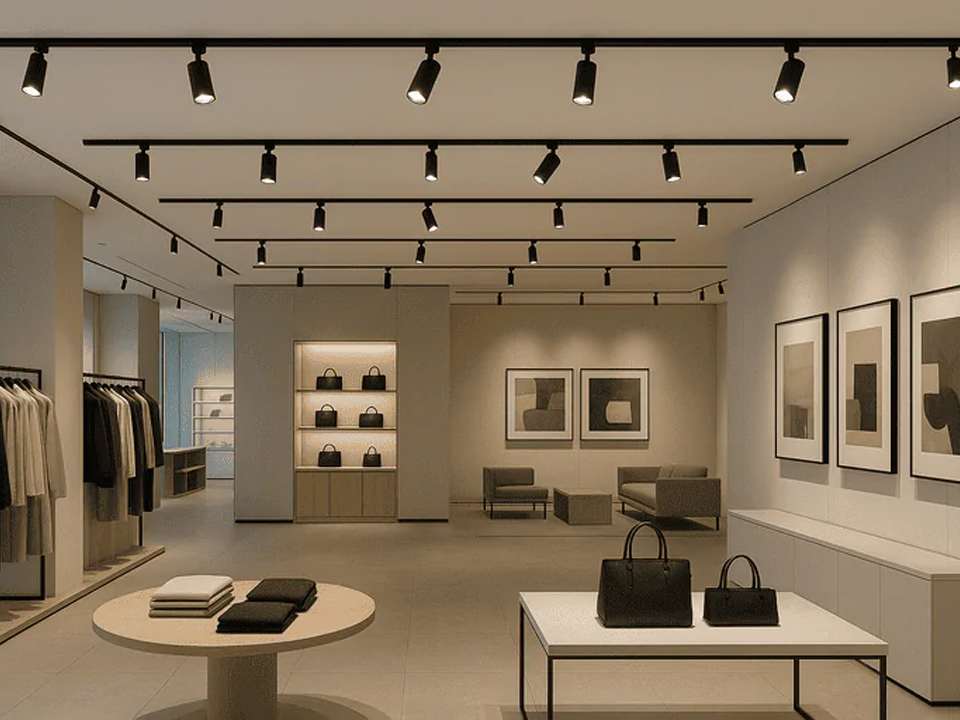
Business interiors change frequently. Retail display screens relocate, resort reception areas are refurbished, and office designs evolve together with occupancy requirements.
Track lighting suits these adjustments since suitable components can be rearranged without changing the entire lighting installment. Standardization extends that versatility throughout several projects by developing constant track arrangements, electrical requirements, component kinds, and upkeep procedures.
For homeowner managing numerous buildings, the benefits can consist of:
The commercial advantage is straightforward. Owners can handle lights as a coordinated structure asset rather than a collection of unassociated acquisitions.
The least expensive component is not always the least expensive choice.
Acquisition rate informs just part of the tale. Installation labor, power consumption, substitute supply, commissioning, upkeep, and downtime also impact the expense of running a business lighting system.
A beneficial lifecycle calculation is:
Total price of possession = purchase + installment + power + maintenance + substitute + downtime.
Standard LED track lighting systems can reduce administrative complexity and streamline substitutes, however financial savings need to be demonstrated making use of sensible task information.
An appropriate example originates from the U.S. Department of Power’s Forrestal Structure lights retrofit. The job resolved greater than 30,000 components and minimized lights energy usage by 50%, with a financial investment of roughly $2.3 million.
This was a wide lighting retrofit, not a track-lighting-specific research. However, it shows just how coordinated tools selection and standard procurement can support large building renovations.
For business purchasers, the lesson is to contrast full operating expense– not just fixture costs or vendor guarantees.
This is where purchasers require to be doubtful.
2 products marketed as business mounted lights can differ in track geometry, electrical calls, ranked voltage, adapters, basing setups, and control compatibility. Similar looks do not develop technological interoperability.
The distinction between standardized project specs and cross-manufacturer compatibility is particularly important.
Before accepting a system, validate:
For example, a 48 V slim magnetic track light for minimal insides might suit an architectural job, but a 48 V ranking alone does not develop compatibility with an additional producer’s system.
Standardize what has been confirmed, not what simply looks similar.
Systematizing the equipment while disregarding light high quality produces irregular results.
Two fixtures can share the exact same power level and color temperature yet create really different lighting patterns. Beam of light circulation, glare, shade uniformity, and delivered lumens all affect the final result.
A 25 W business LED mounted lights fixture for showroom applications must consequently be examined making use of photometric data, not wattage alone.
Furthermore, a 12 W narrow-beam LED limelight for concentrated things lighting may suit a display screen needing concentrated lighting, offered its actual result and beam features fulfill the layout demands.
A solid specification defines:
These requirements help keep a regular consumer experience throughout multiple stores, display rooms, or friendliness residential properties.
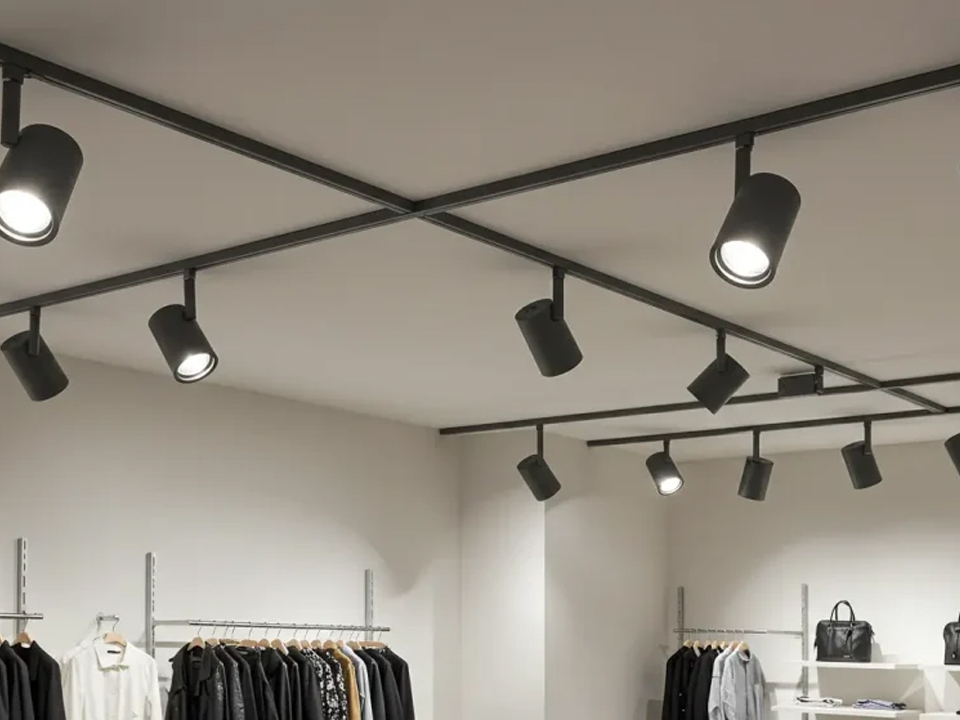
Mounted lights is not the very best remedy for every single commercial space. Standardization needs to simplify lighting choices, not require one innovation right into every application.
| Variable | Standard mounted lights | Standard taken care of lights |
|---|---|---|
| Flexibility | Suitable components can be repositioned | Relocation may call for rewiring |
| Ideal applications | Retail, showrooms, galleries, accent lighting | Workplaces, passages, basic illumination |
| 유지 관리 | Can settle suitable fixture families | Can simplify upkeep with repeatable fixed fixtures |
| 주요 위험 | Proprietary parts and incompatibility | Costly layout adjustments and difficult access |
| Layout priority | Beam of light control, track compatibility, intending | Harmony, mounting, glow, and coverage |
For reception locations, an 18 W adjustable business LED downlight may give a better general-lighting option than track components alone.
The best business requirements coordinate mounted lights with appropriate downlights or straight luminaires instead of treating every component type as compatible.
A sound choice procedure begins with needs, not a product brochure.
For power comparisons, use reasonable operating presumptions. A 25 W component running 3,600 hours annually eats 90 kWh annually prior to making up dimming or control-related decreases.
The calculation is basic. The assumptions are what issue.
Standardization can produce functional consistency while increasing dependancy on a single manufacturer.
An exclusive track environment might provide excellent combination, yet replacement fixtures or adapters could come to be expensive or difficult to acquire if the line of product modifications.
Before committing, customers should ask:
One sensible technique is to standardize performance requirements while preserving a controlled listing of authorized items. This protects consistency without assuming that one manufacturer needs to supply every component indefinitely.
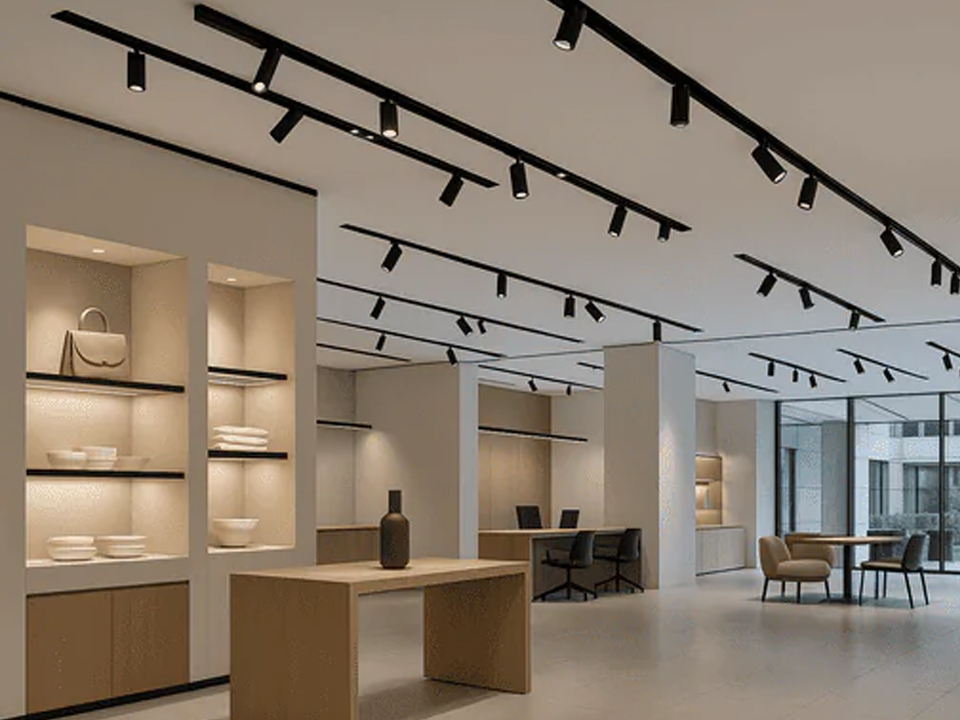
Commercial mounted lights standardization suggests adopting regular track configurations, suitable components, and technical specifications across industrial jobs. It is getting attention due to the fact that repeatable systems can simplify purchase, maintenance, replacement planning, and lighting quality administration, especially for retail chains, hotels, showrooms, and home profiles operating throughout numerous locations.
The best benefits typically arise when structures share similar lighting requirements and maintenance procedures.
Standardized LED mounted lights systems use defined track styles, authorized component families, and constant performance demands to streamline installment and continuous upkeep. Their advantages include repeatable procurement, arranged spare-parts management, regular illumination top quality, and the ability to rearrange suitable components without changing the whole illumination facilities.
Real savings depend on task scale, provider prices, and maintenance needs.
Choosing standardized track lighting systems requires defining lighting efficiency, validating electric and mechanical compatibility, and assessing lifecycle costs prior to procurement. Customers should compare provided lumens, light beam angles, CRI, shade temperature, lowering compatibility, guarantee insurance coverage, and substitute availability against documented job demands.
A representative installation can expose glow, representations, or compatibility problems before a bigger rollout.
Business track lighting systems are not widely compatible since track geometry, electric get in touches with, adapters, voltage ratings, and control needs vary between systems. Similar appearances or small voltage scores do not prove compatibility, so buyers need to obtain written confirmation for the precise track, adapter, component, and control combination.
This is particularly crucial when comparing magnetic low-voltage systems with standard track lighting.
Standardized track lighting can support power administration by making component performance and controls a lot more regular, but standardization alone does not assure lower power consumption. Actual financial savings depend on mounted power, running hours, illumination requirements, dimming, tenancy controls, and the effectiveness of the previous system.
Compute projected consumption utilizing reasonable operating routines and confirm efficiency after setup.
Magnetic track lighting is a low-voltage illumination system that makes use of compatible magnetic fixtures to offer flexible positioning and a streamlined building look. It can suit display rooms, galleries, reception areas, and retail interiors when its electrical safety and security, optical performance, controls, and maintenance demands fulfill the project’s requirements.
Verify compatibility and substitute accessibility before defining the system across numerous websites.
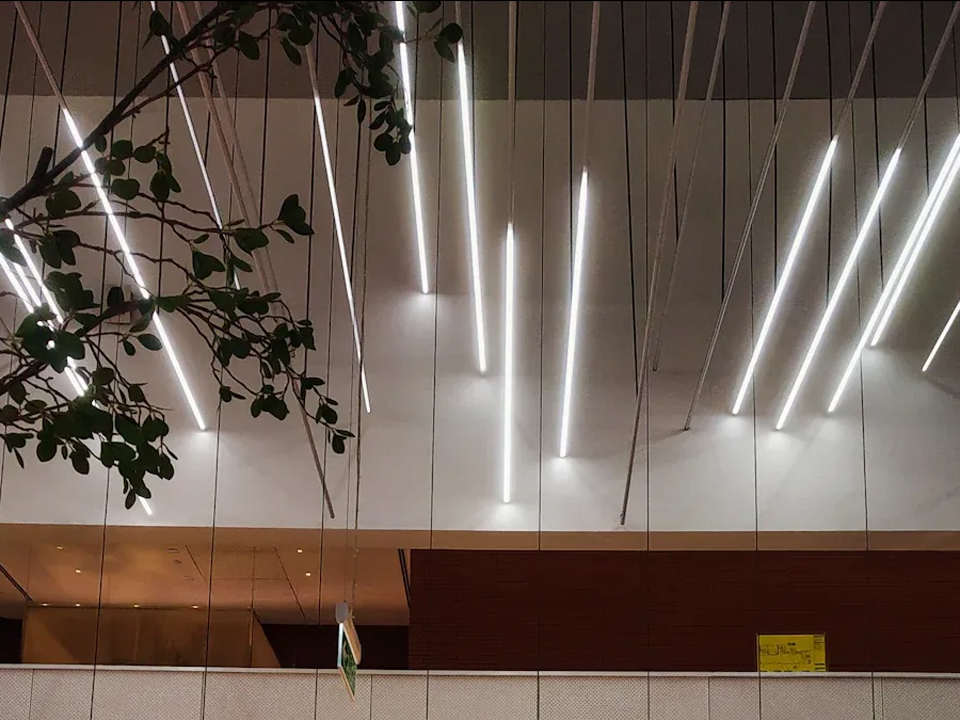
Business track lighting standardization is obtaining attention since businesses need illumination systems that are much easier to specify, preserve, and adjust as their buildings evolve.
Yet standardization is not instantly a cost-saving procedure. Improperly defined specs can produce supplier dependancy, inappropriate components, and inconsistent light high quality.
My suggestion is to define measurable performance demands, approve suitable component families, examination agent installations, and contrast lifecycle costs prior to devoting to a vendor.
Preparation an industrial lights project? Check out the commercial LED mounted lights component for showroom applications 및 48 V slim magnetic track lighting choice as starting factors for evaluating component types and system architectures.
Confirm the compatibility, photometric efficiency, control approach, and upkeep needs prior to settling your specification. A good requirement makes future jobs simpler without giving up lighting quality or adaptability.