¿Aún no encuentra la solución de iluminación comercial adecuada? Hable con nuestro equipo de proyectos.
Si ha consultado el sitio web o ya ha hablado de las opciones con el departamento de ventas pero sigue necesitando una orientación más clara, envíe su solicitud aquí. Nuestro equipo revisará su aplicación, las especificaciones de destino y las limitaciones del proyecto, y le responderá con un paso práctico: lo que encaja, lo que necesita confirmación y la ruta más rápida para obtener un presupuesto y archivos listos para las especificaciones de su proyecto.
Revisión directa de su solicitud, especificaciones y limitaciones del proyecto para obtener un presupuesto más claro.
Correspondencia de productos en cuanto a ángulo de haz, CCT / CRI, controladores, regulación y opciones de control.
Apoyo a la documentación del proyecto, incluidas hojas de corte, notas de cableado y archivos IES / LDT cuando estén disponibles.
Orientación OEM / ODM para etiquetas, embalaje, acabado de carcasas y requisitos de marca privada.
Obtenga un presupuesto rápido para Iluminación LED comercial
Diseñado para diseñadores, arquitectos, contratistas, mayoristas y compradores de proyectos. Comparta su aplicación, cantidad y especificaciones de destino para obtener precios directos de fábrica, orientación sobre plazos de entrega y soporte listo para especificaciones para proyectos en EE. UU. y la UE.
Opciones listas para presupuesto: haz / óptica, objetivos CCT / CRI / SDCM, controladores, regulación e integración de controles
Documentación del proyecto: hojas de corte, planos y archivos IES / LDT cuando estén disponibles.
Asistencia OEM / ODM: SKU de marca propia, envases, etiquetas, manuales y etiquetado listo para código de barras
Calidad estable para las implantaciones: SKU repetibles, puntos de control de calidad y suministro escalable para licitaciones y nuevos pedidos.
NDA disponible previa solicitud para planos detallados y archivos del proyecto
Guía de selección de proyectores LED para comercios, salas de exposiciones y hostelería
Las malas especificaciones se extienden.
He leído suficientes programas de iluminación como para conocer el patrón: alguien elige un proyector LED comercial en función de su potencia, otro agita una representación, la adquisición presiona para conseguir un driver más barato y, a continuación, el espacio acabado se abre con una mercancía plana, un resplandor nervioso y un sistema de regulación que se comporta como si se hubiera montado durante una discusión. ¿Por qué seguimos pretendiendo que “suficientemente brillante” es una estrategia?
Esta es la primera verdad. Un proyector LED comercial no es un elemento decorativo de última hora en tiendas, salas de exposiciones o establecimientos de hostelería; es una herramienta de ventas, un dispositivo de control del ambiente y, cuando las especificaciones son deficientes, un lastre que se traduce en quejas, devoluciones de llamadas y ventas reducidas.
La industria sigue equivocándose
El dinero se escapa rápido.
Según Guía ENERGY STAR para edificios comerciales, pero la iluminación sigue representando 17% de toda la electricidad consumida en los edificios comerciales de Estados Unidos, por lo que una mala elección de los focos no es sólo un problema estético, sino de costes de explotación. Y la normativa es cada vez menos indulgente, no más: Ley municipal 88 de Nueva York exige a los edificios cubiertos que actualicen las asignaciones de potencia de iluminación y los controles, y la ciudad ha publicado este año una lista de presentación de edificios cubiertos para 2026. (ENERGY STAR)
Así que no, no se trata de un debate sobre la “preferencia del diseñador”.
Si su programa de proyectores ignora el control del haz, el comportamiento del conductor, la calidad del color y la compatibilidad de los controles, no está optimizando un proyecto; está retrasando el fracaso hasta la entrega.
Índice
La venta al por menor, las salas de exposición y la hostelería son tres luchas diferentes
Porque la iluminación para comercios vende productos, la iluminación para salas de exposiciones vende confianza y la iluminación para hostelería vende ambiente sin que el mantenimiento resulte miserable.
Qué cambia según la aplicación
Tipo de espacio
Lo que debe hacer la luz
Lo que priorizo primero
Lo que suele fallar
Comercios minoristas
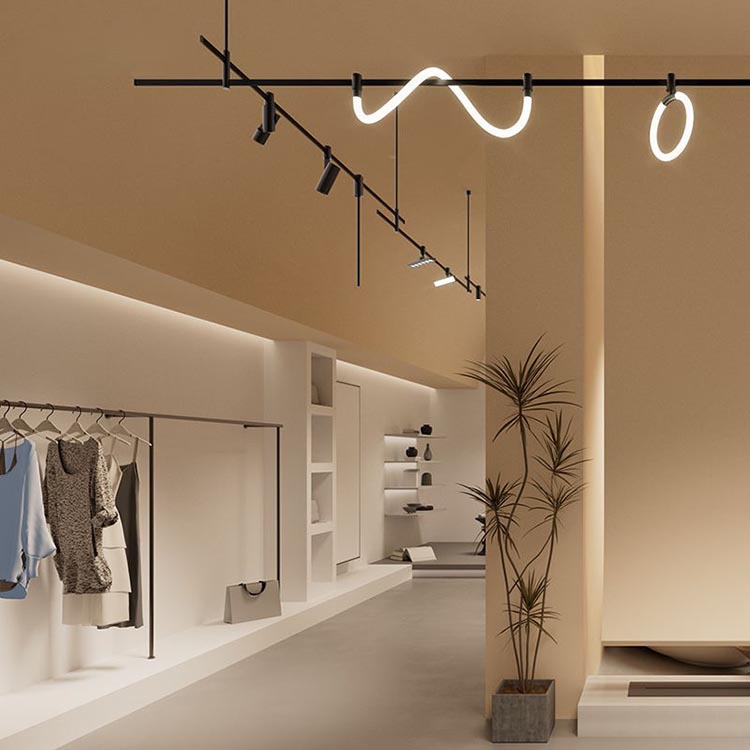
Crear contraste, dirigir la atención, hacer que la mercancía parezca cara
Control del haz, flexibilidad de apuntamiento, calidad de color Ra 90+, adaptabilidad a la pista
Lavado de ambiente plano que acaba con la jerarquía
Salas de exposición
Revele el acabado, la textura y la forma sin caos visual
Iluminación estratificada, haces de luz más estrechos en las zonas heroicas, composición más limpia del techo
Demasiados tipos de luminarias compitiendo por la atención
Hostelería
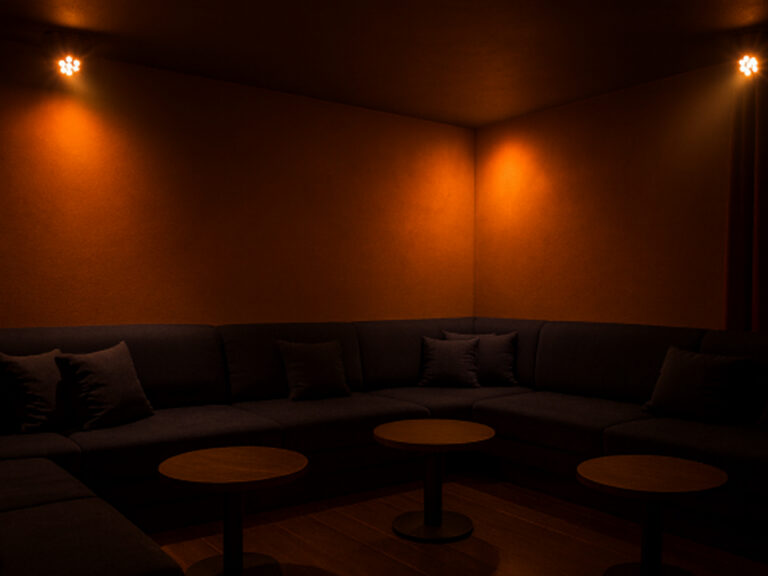
Dar forma a la atmósfera y alisar materiales, tonos de piel y superficies
Aperturas menos deslumbrantes, estrategia CCT más cálida, estabilidad de regulación, acceso para mantenimiento
Controladores baratos, malas curvas de atenuación, puntos calientes en zonas de cara al huésped
Esa tabla es mi sesgo, y lo mantengo.
El comercio necesita dramatismo, pero no al azar. Las salas de exposición necesitan precisión, pero no rigidez museística. La hostelería necesita suavidad, pero no rincones somnolientos y poco iluminados que hagan que un interior de primera calidad parezca cansado.
Las especificaciones que realmente importan
Primero tres cosas.
Yo siempre empiezo por la óptica, el color y los controles, porque esos tres factores decidirán si la luminaria funciona en la habitación o sólo tiene un aspecto respetable sobre el papel. ¿Por qué tantos equipos siguen empezando por la potencia y el precio?
El ángulo del haz es donde empieza la verdadera decisión
El objetivo supera al resultado.
Para el trabajo en tiendas y salas de exposición, me importa mucho más el control disciplinado del haz que las grandes afirmaciones de lúmenes, porque un haz ancho descuidado puede hacer que un estante sea más brillante y, al mismo tiempo, que el producto sea menos legible. Esta es exactamente la razón por la que una página de la categoría de focos y una página de la categoría de iluminación de carriles deben estar en la ruta de lectura: una admite la lógica de acento fijo o empotrado, mientras que la otra admite cambios de disposición, reajustes de merchandising y ajustes de orientación a lo largo del tiempo. (Cajas de tubo de papel personalizadas)
Mi regla es sencilla: cuanto más valioso es el objeto de exposición, menos paciente soy con las ópticas imprecisas.
El CRI y el CCT no son “extras”.”
El color vende margen.
No me fío de ninguna especificación comercial de proyectores LED para moda, cosmética, joyería, restauración de alta gama o zonas públicas de hoteles si la conversación sobre la reproducción cromática empieza y termina con “alto CRI”. Se abusa constantemente de esa frase. Quiero que el equipo hable de Ra, coherencia, CCT objetivo y de si la habitación debe parecer activa, neutra o íntima.
En Estudio de caso de la oficina DOE TeamDKB es un útil recordatorio de que la temperatura de color es una herramienta de diseño, no un accesorio de línea: la mayoría de las zonas de tareas visuales de ese proyecto utilizaron luminarias LED de 3500 K, mientras que las zonas de conferencias, recepción y descanso utilizaron luminarias OLED de 3000 K, todo ello con una carga total de iluminación conectada de 0,60 W/pie². Eso es zonificación disciplinada, no conjeturas. (Energy.gov del Departamento de Energía)
Y sí, ya sé que es un caso de oficina. La lección sigue vigente: zonas diferentes merecen una intención visual diferente.
La atenuación y la compatibilidad de los controladores dejan al descubierto las especificaciones baratas
Esta parte duele.
El Departamento de Energía de EE.UU. ha sido inusualmente directo en este asunto. En su Estudio CALiPER sobre lámparas para minoristas 3.1, El DOE declaró que no existe una definición estándar de “regulable” y advirtió que el rendimiento de la regulación puede depender del dispositivo de control e incluso de otras fuentes de luz en el mismo circuito. Más recientemente, el artículo del DOE de enero de 2024 sobre Control de 0-10 V para farolas LED destacó la variación mensurable en los controladores LED disponibles en el mercado y vinculó esa cuestión a la norma ANSI C137.1-2022. (Energy.gov del Departamento de Energía)
Así que cuando alguien me dice: “No te preocupes, es regulable”, yo oigo: “No hemos terminado la conversación de ingeniería”.”
Si el proyecto vive o muere en función de las escenas, el estado de ánimo de los invitados, el enfoque de la mercancía o la disposición adaptativa de las pantallas, quiero que el protocolo de atenuación, la interfaz de control, el emparejamiento de controladores y las pruebas se discutan antes de la PO, no después de la instalación.
Los estudios de casos en los que realmente confío
La prueba importa.
Soy escéptico por defecto, y creo que usted también debería serlo, porque el negocio de la iluminación está lleno de folletos confiados y pruebas muy escasas. Entonces, ¿qué sobrevive al escrutinio?
En segundo lugar, el informe de Reuters de mayo de 2024 sobre Torre Keppel Bay describió una renovación que redujo el consumo total de energía en 30%, con un sistema de iluminación inteligente y sensores de ocupación/luz diurna que redujeron las facturas de iluminación en 70%, mientras que la intensidad energética del edificio bajó de 165 kWh/m² a 115 kWh/m². Eso no es poesía de vendedor. Es rendimiento. (Reuters)
Los ganadores no sólo compran instalaciones eficientes. Compran controlabilidad, compatibilidad y disciplina en la puesta en marcha.
Donde los compradores siguen quemándose
Gana el teatro de proveedores.
Y gana porque demasiados compradores siguen aceptando un lenguaje genérico de “alta calidad” sin preguntar por los aburridos documentos que deciden si un lanzamiento de focos sobrevive al sexto mes. ¿No es esa la trampa más antigua del aprovisionamiento industrial?
En el sitio de Meagree, las páginas de control de riesgos sirven realmente de apoyo interno, porque Control de calidad de la iluminación LED para proyectos se detalla IQC, IPQC, trazabilidad de lotes, flujos de trabajo gestionados por ISO y una prueba de envejecimiento de 96 horas en todos los LED, mientras que el Capacidades OEM/ODM afirma que ofrece asistencia para el diseño óptico, la integración de controladores, los ensayos y las vías de certificación. No se trata de detalles decorativos; son las páginas que los equipos de compras deberían consultar justo después de la guía de selección, sobre todo si necesitan hojas de corte, archivos IES/LDT, objetivos CCT/CRI/SDCM o soporte de marca privada. (Cajas de tubo de papel personalizadas)
Mi regla es dura.
Si un proveedor no puede hablar con claridad sobre las opciones de haz, los intervalos CCT, la coherencia CRI, la interfaz de regulación, el comportamiento térmico, la verificación del envejecimiento y la trazabilidad, no me importa lo atractivo que parezca el precio de la muestra.
Cómo elegiría los focos LED comerciales, por orden
Empieza primero por aquí.
Definía la tarea de visualización antes de tocar la lista de aparatos, luego establecía la jerarquía visual, luego elegía la óptica, luego el color, luego el controlador y los controles, luego el mantenimiento, y sólo después de eso dejaba que el precio entrara en la sala. ¿Por qué? Porque un proyector barato que no consigue vender no es barato. Sólo es caro después.
Para las tiendas minoristas, quiero opciones de proyectores LED comerciales ajustables o cabezales de carril que creen una jerarquía evidente en la mercancía del héroe, no un manto de brillo democrático. Para las salas de exposición, quiero menos familias de luminarias, una orientación más precisa y un techo más silencioso, porque el producto debe ser el dueño de la sala. Para la hostelería, quiero una luz cálida, estable y poco deslumbrante, con una regulación suave y componentes funcionales, porque el ambiente no sirve de nada si el driver zumba y el borde del haz parece sucio.
Y diré la parte impopular en voz alta.
La mejor iluminación LED para tiendas minoristas no es el envase más brillante de la hoja de presupuesto. Es el que hace que la referencia, el acabado, la textura y el color correctos tengan más valor que cinco segundos antes.
Preguntas frecuentes
¿Qué es un proyector LED comercial?
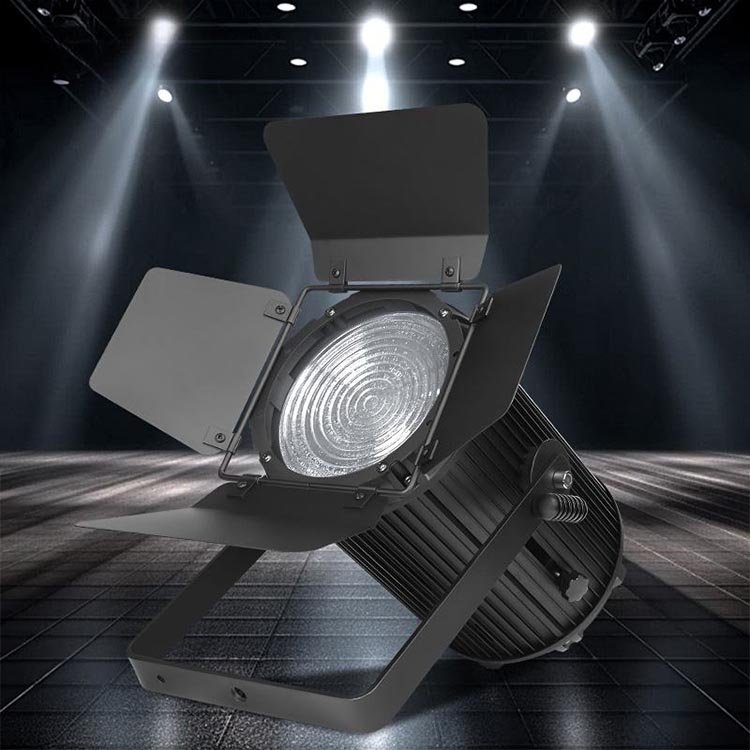
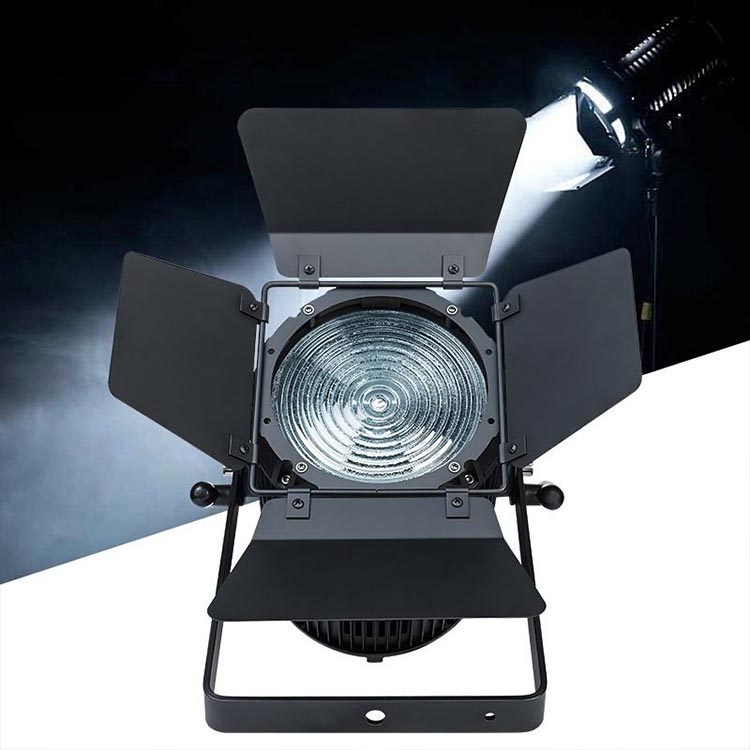
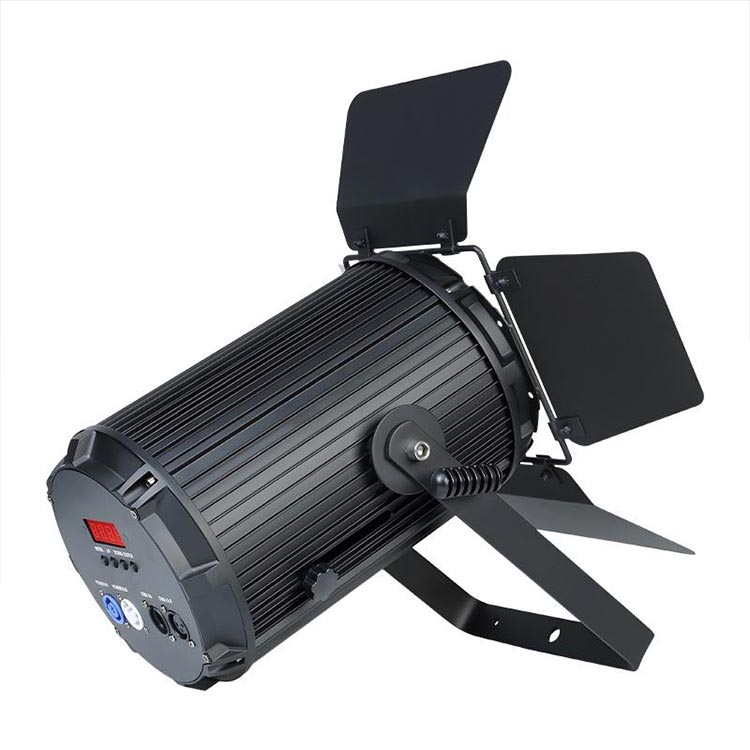
Un proyector LED comercial es una luminaria direccional diseñada para iluminar de forma controlada mercancías, elementos arquitectónicos, obras de arte, mostradores, mesas o superficies focales en entornos comerciales, utilizando ángulos de haz específicos, objetivos de calidad de color y compatibilidad de control para producir énfasis en lugar de una iluminación amplia y uniforme. No es una iluminación general que pretenda ser una iluminación de acento. En los proyectos reales, su función es controlar la atención.
¿Cómo elijo el ángulo de la viga adecuado para el comercio minorista y las salas de exposición?
El ángulo de haz adecuado para el uso en tiendas y salas de exposición es la distribución que crea una jerarquía visual clara en el producto o la superficie focal sin inundar los estantes, paredes o zonas de circulación adyacentes, lo que normalmente significa adaptar el haz a la altura de montaje, el tamaño del objetivo, la distancia de visualización y la frecuencia de rotación del expositor. Compruebo la lógica del haz en función del expositor, no de la descripción del catálogo. Así es como se evitan los lúmenes desperdiciados y los productos de aspecto muerto.
¿Qué temperatura de color es la más adecuada para la iluminación LED de hostelería?
La mejor temperatura de color para la iluminación LED de hostelería es la que se ajusta al ambiente, la paleta de materiales, las expectativas de los clientes y las escenas de atenuación del espacio, lo que a menudo empuja a las zonas públicas y orientadas a los clientes hacia un carácter visual más cálido, manteniendo al mismo tiempo suficiente contraste y calidad de reproducción para la orientación, la comida, los acabados y los rostros. Nunca trataría la luz del vestíbulo y la luz de servicio orientada a las tareas como el mismo trabajo emocional. La calidez necesita disciplina.
¿Son los rieles de luz LED mejores que los focos empotrados para el comercio minorista?
Los rieles de luz LED son mejores que los focos empotrables cuando el entorno de la tienda cambia a menudo, los reajustes del merchandising son frecuentes y la flexibilidad de orientación importa más que el minimalismo del techo, mientras que los focos empotrables son mejores cuando el diseño quiere un techo más silencioso y los puntos focales son lo suficientemente estables como para justificar posiciones fijas. Ninguno de los dos es “mejor” en abstracto. La habitación decide.
Su próximo paso
Haz el trabajo feo.
Antes de aprobar cualquier programa comercial de focos LED, pida opciones de ángulo del haz, detalles del protocolo de regulación, datos de color, pruebas térmicas, lógica de acceso para mantenimiento y pruebas de que la estrategia de control se ha probado como un sistema y no se ha montado como una esperanza. A continuación, envíe a los lectores a profundizar en las páginas internas adecuadas en el orden correcto: primero la lógica de la aplicación, después la lógica de la categoría y en tercer lugar las páginas de prueba.
Si este artículo está destinado a convertir a los lectores serios de B2B en lugar de los navegantes ocasionales, yo les señalaría al lado de la estudios de casos de iluminación LED comercial una vez que entienden la lógica de la selección, porque los compradores quieren pruebas después de la teoría, no antes. La página de estudios de caso de Meagree agrupa referencias de hostelería y comercio minorista en torno a proyectos relacionados con el Shangri-La Hotel Chengdu, el Baiman Hotel Shanghai, la cadena de tiendas de la marca Kawaii en Jiangsu y el Parkson Group, que es exactamente el tipo de contexto que quiere un equipo de compras escéptico antes de pedir un presupuesto. (Cajas de tubo de papel personalizadas)
Esa es la secuencia en la que confío.
Primero la selección. En segundo lugar, las pruebas. En tercer lugar, la validación del proveedor. Después, y sólo después, el precio.