Sehen Sie immer noch nicht die richtige Beleuchtungslösung für Ihr Unternehmen? Sprechen Sie mit unserem Projektteam.
Wenn Sie sich die Website angesehen oder bereits Optionen mit dem Vertrieb besprochen haben, aber noch eine klarere Richtung benötigen, senden Sie Ihre Anfrage hier. Unser Team wird Ihre Anwendung, Zielspezifikationen und Projektbeschränkungen prüfen und Ihnen dann einen praktischen Vorschlag für den nächsten Schritt unterbreiten: was passt, was muss bestätigt werden, und wie kommen Sie am schnellsten zu einem Angebot und zu spezifizierbaren Dateien für Ihr Projekt.
Direkte Prüfung Ihres Antrags, Ihrer Spezifikationen und Projektbeschränkungen für einen klareren Angebotsweg.
Produktabstimmung in Bezug auf Abstrahlwinkel, CCT/CRI, Treiber, Dimm- und Steuerungsoptionen.
Unterstützung bei der Projektdokumentation, einschließlich Schnittzeichnungen, Verdrahtungsnotizen und IES/LDT-Dateien, sofern verfügbar.
OEM / ODM Beratung für Etiketten, Verpackungen, Gehäuseoberflächen und Eigenmarkenanforderungen.
Erhalten Sie ein schnelles Angebot für kommerzielle LED-Beleuchtung
Entwickelt für Designer, Architekten, Bauunternehmer, Großhändler und Projekteinkäufer. Teilen Sie uns Ihre Anwendungs-, Mengen- und Zielspezifikationen mit, um Direktpreise, Vorlaufzeiten und Unterstützung bei Projekten in den USA und der EU zu erhalten.
Woran Sie erkennen, ob ein kommerzieller Beleuchtungsplan wirklich zu Ihrem Projekt passt
Schlechte Pläne lügen.
Ich habe genug kommerzielle Beleuchtungsdesignpakete geprüft, um zu wissen, dass die Hochglanzdarstellung in der Regel der sicherste Teil der Datei ist, weil sie die unangenehmen Fragen über Blendung, Strahlenkontrolle, Montagehöhe, Dimmverhalten, Servicezugang und die Frage, ob der Installateur das Schema nach drei Wochen noch mag, verbirgt. Warum tun wir immer noch so, als sei die schöne Seite der Beweis?
Ein echter kommerzieller Beleuchtungsplan ist kein dekoratives PDF. Es ist eine geschäftliche Entscheidung, die in Photometrie, Steuerung und Wartungslogik verpackt ist, und das Geld, das dahinter steckt, ist größer als viele Teams zugeben: die U.S. Energie-Informationsbehörde sagt, dass die Beleuchtung im Jahr 2018 etwa 10% des gesamten Energieverbrauchs in gewerblichen Gebäuden in den USA ausmachte, was bedeutet, dass eine schlechte Beleuchtungsplanung für gewerbliche Räume noch lange nach dem Ende der Planungssitzung Miete kostet.
Und jetzt kommt der Teil, den ich nicht beschönige: Wenn Ihr Beleuchtungsplan nicht erklären kann, wie die Menschen arbeiten, aussehen, sich bewegen, kaufen und den Raum pflegen werden, passt er nicht zum Projekt. Er passt zur Angebotspräsentation.
Inhaltsübersicht
Was “fit” in der kommerziellen Beleuchtungsplanung wirklich bedeutet
Die Passform ist spezifisch.
Das bedeutet, dass die Beleuchtungsanlage für den gewerblichen Bereich auf die Arbeitsebene, die Deckenbeschaffenheit, das Ziel des Sehkomforts, die Steuerungssequenz, die Austauschstrategie und das Geschäftsmodell des Raums abgestimmt ist, denn ein Büro, das acht Stunden lang auf den Bildschirm fokussiert sein muss, sollte nicht wie eine Boutique-Wand beleuchtet werden, und eine Boutique-Wand sollte nicht wie ein Korridor beleuchtet werden. Ist das nicht offensichtlich?
Meine Regel ist unverblümt. Ein photometrischer Beleuchtungsplan ist nur dann sinnvoll, wenn er sich auf Sichtlinien, Kontrast, Blendungsgefahr, Dimmverhalten und die tatsächliche Raumnutzung bezieht; andernfalls ist er nur ein numerisches Kostüm für ein schwaches Design. Warum lassen sich so viele Teams immer noch von der durchschnittlichen Luxzahl allein beeindrucken?
Die fünf Tests, die ich anwende, bevor ich einem kommerziellen Beleuchtungsplan vertraue
Die Aufgabenebene schlägt das Rendering
Blendung zerstört das Vertrauen.
Das US-Energieministerium hat in einer viel ruhigeren Sprache als ich es tun würde gesagt, dass die Einführung von LED die Aufmerksamkeit auf die unangenehme Blendung erhöht hat und dass die Industrie immer noch bessere Blendungskennzahlen braucht, was Ihnen etwas Wichtiges sagt: Wenn der Plan bei der Wattzahl gewinnt, aber beim visuellen Komfort verliert, ist es kein starker Plan. Es ist ein billiger Plan mit besserem Branding.
Ich vertraue nicht auf ein Schema, das mir nur die horizontale Beleuchtungsstärke angibt. Ich möchte wissen, was am Schreibtisch, an der Wand, an der Regalkante, am Empfangstresen und im Sichtfeld des Sitzenden passiert. Wenn die Decke leuchtet, während die Arbeitsfläche immer noch nicht ausreichend beleuchtet ist, was genau hat die Leuchte dann erreicht?
Die Deckenhöhe entscheidet mehr, als die meisten Teams zugeben
Die Entfernung spielt eine Rolle.
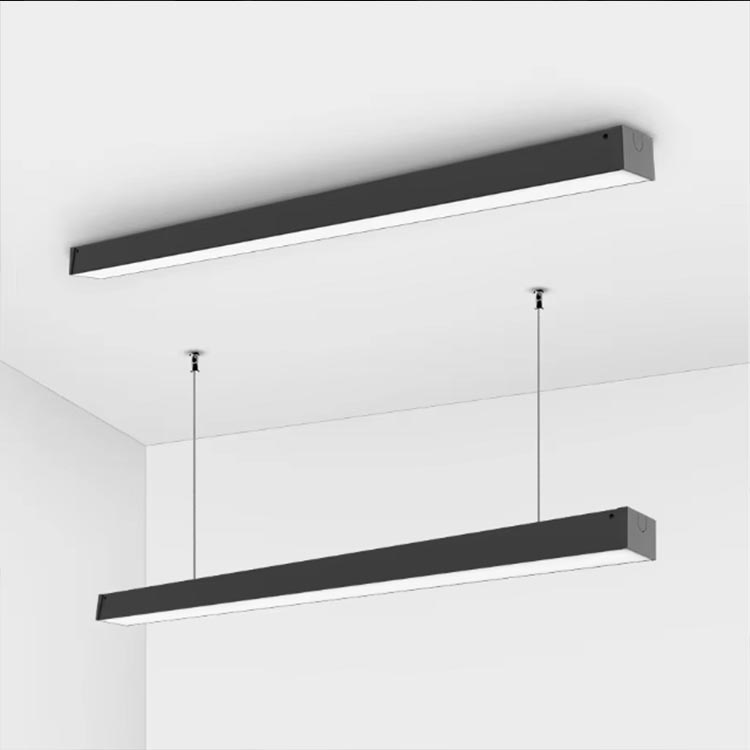
Eine Vorrichtung, die sich bei einer bestimmten Montagehöhe gut verhält, kann bei einer anderen brutal, schwach, lückenhaft oder verschwenderisch wirken, weshalb ich lieber eine Mannschaft sehe, die Auswahl von LED-Leuchten für gewerbliche Zwecke je nach Deckenhöhe bevor sie sich über die Farbe der Oberfläche streiten, denn die Höhe verändert die Lichtverteilung, die Logik der Abstände, die Blendwirkung und die ehrlichen Lumenanforderungen in einem Zug. Warum die erste Designvariable bis zur Mitte der Beschaffung aufschieben?
Dies ist der Punkt, an dem viele Behauptungen über die “beste kommerzielle Beleuchtungsplanung für Ihr Projekt” scheitern. Sie entscheiden sich nicht wirklich für ein Beleuchtungskonzept, sondern für eine Produktfamilie und hoffen, dass der Raum sich anpasst.
Steuerelemente sind Teil des Designs, kein Zusatz
Steuerelemente speichern Projekte.
Im Ralph H. Metcalfe Federal Building in Chicago und im Peachtree Summit Federal Building in Atlanta hat die GSA nach eigenen Angaben durch integrierte fortschrittliche Beleuchtungssteuerungen die Beleuchtungsqualität beibehalten, 69% an Beleuchtungsenergie gegenüber dem GSA-Durchschnitt eingespart und eine Kapitalrendite von 40% erzielt. Das ist genau der Grund, warum ich die Augen verdrehe, wenn jemand die Steuerungen als wertsteigerndes Nebenprodukt behandelt, anstatt sie von Anfang an in die Planung der kommerziellen Beleuchtung einzubeziehen. Warum sollte man eine intelligente Leuchte spezifizieren und dann einen dummen Bericht über die Steuerung schreiben?
Und nein, “dimmbar” ist keine Steuerungsstrategie. Ich möchte das eigentliche Protokoll, die Zonierungsabsicht, die Belegungslogik, die Tageslichtreaktion, das Übersteuerungsverhalten und den Rückfallmodus, wenn der Kunde sechs Monate später die Raumnutzung ändert.
Eine Projektart ist nicht gleich eine andere
Zimmer haben Wirtschaft.
Ein Geschäft versucht, sich zu konzentrieren und Produkte zu verkaufen, ein Büro versucht, die Konzentration zu schützen und die Ermüdung zu verringern, und ein Hotel versucht, Materialien und Menschen zu umschmeicheln, ohne die Wartung zu einem Albtraum werden zu lassen, weshalb diese Aufschlüsselung von Beleuchtung im Einzelhandel, im Büro und im Gastgewerbe ist ein ehrlicherer interner Link als eine allgemeine Produktseite. Warum sollte dieselbe Vorrichtungslogik drei völlig unterschiedliche Aufträge überleben?
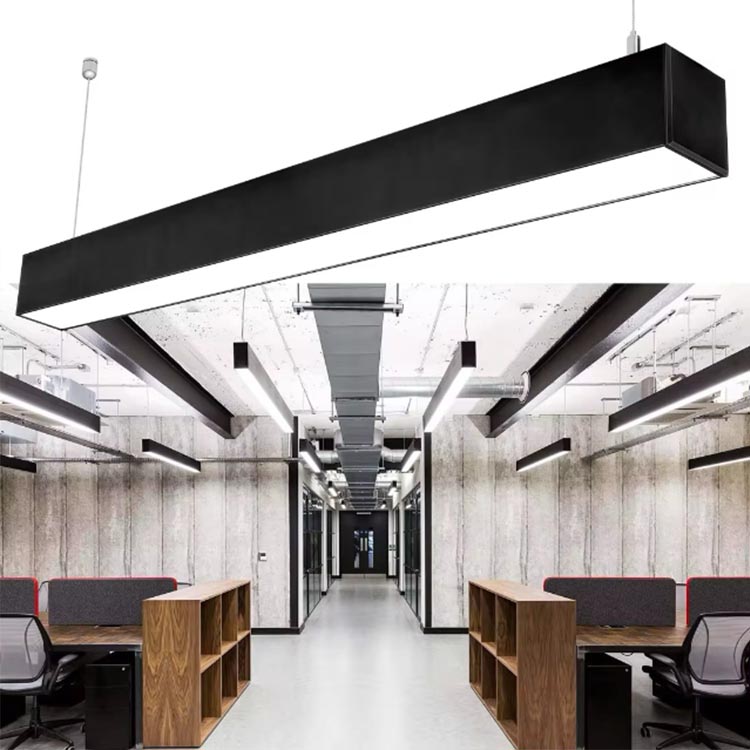
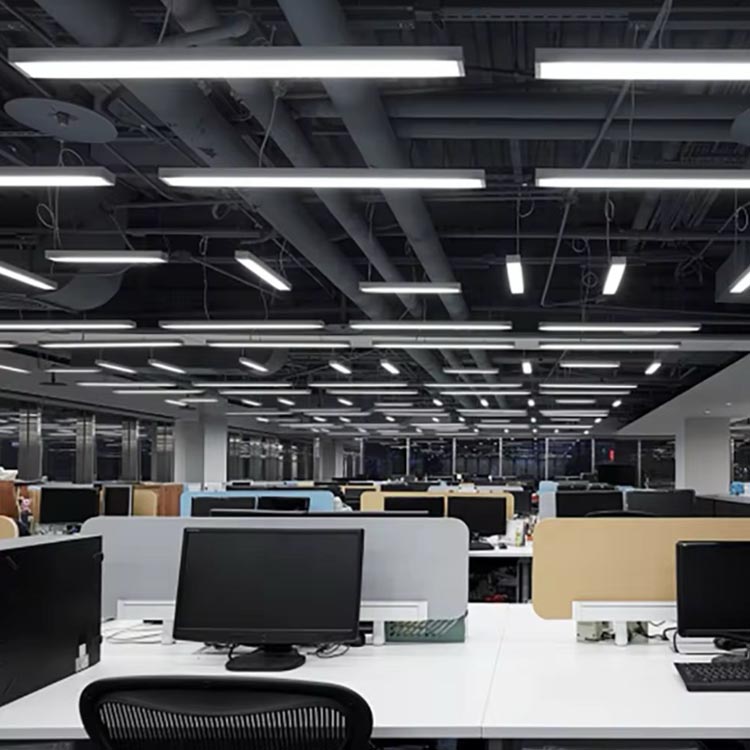
Wenn ich Pläne für gemischte Nutzung überprüfe, möchte ich mehrere Ebenen haben. In offenen Arbeitsbereichen, Lineare LED-Beleuchtung verdient in der Regel seinen Platz, weil es ruhiges Umgebungslicht tragen kann, ohne die Decke in ein Feld heißer Blenden zu verwandeln; in Waren- oder Fokuszonen, LED-Schienenbeleuchtung ist sinnvoller, da sich die Strahlrichtung, die Flexibilität bei der Ausrichtung und der Kontrast immer noch besser verkaufen als die gleichmäßige Helligkeit.
Der Papierkram sollte die Beschaffung überleben
Beweise sind wichtig.
Hier ist meine am wenigsten populäre Meinung: Wenn der Lieferant keine glaubwürdigen Schnittpläne, Treiberkompatibilität, Steuerungsschnittstellen und photometrische Dateien vorweisen kann, haben Sie keinen fertigen Plan für kommerzielle Beleuchtung. Sie haben Optimismus.
Der Beleuchtungsleitfaden der GSA für 2025 geht auf die Details ein, die faule Pakete vermeiden, einschließlich Kommunikationsprotokolle wie 0-10V und DALI-2. Gleichzeitig wird darauf hingewiesen, dass die P100 für 2024 aufgrund von Produktinkompatibilität und Sicherheitsrisiken keine TLED des Typs B mehr zulässt; das ist eine höfliche bundesstaatliche Art zu sagen, dass es bei der Eignung auch um Systemrisiken geht, nicht nur um Lumen und Preis. Wer will schon ein Beleuchtungskonzept erben, das in ein Gewährleistungsargument “umgewandelt” wurde?
Eine kommerzielle Beleuchtungsanlage, die passt, im Gegensatz zu einer, die liegt
Der Unterschied ist langweilig.
Und genau das ist der Punkt, denn der richtige Beleuchtungsplan für den gewerblichen Bereich sieht in der Regel weniger dramatisch aus, sondern viel besser im zweiten Jahr, wenn die Beschwerden, Wartungsanrufe und Betriebsrechnungen eintreffen. Kaufen Sie Beleuchtung, oder kaufen Sie verspätetes Bedauern?
Signal
Ein Plan, der zu dem Projekt passt
Ein Plan, der nicht
Aufgabenlogik
Beginnt mit echtem Arbeits-, Umlauf-, Anzeige- und Verweilverhalten
Beginnt mit der Anzahl der Geräte und der durchschnittlichen Beleuchtungsstärke
Photometrischer Beleuchtungsplan
Zeigt Punkt-für-Punkt-Absicht auf die Arbeitsebene und wichtige vertikale Flächen
Zeigt eine nette Nummer und nennt es erledigt
Reaktion der Decke
Strahlwinkel und -abstände entsprechen der tatsächlichen Montagehöhe
Dieselbe Einrichtungsfamilie in jeder Decke
Visueller Komfort
Blendenhelligkeit, Reflexionsgrad und Betrachtungswinkel werden erörtert
“Blendschutz” erscheint einmal in der Broschüre
Kontrolliert
Szenen, Sensoren, Dimmprotokoll und Übersteuerungslogik sind definiert
“Dimmbar” wird wie ein Zauberspruch verwendet
Wartung
Fahrerzugang, Ersatzstrategie und SKU-Konsistenz sind geplant
Niemand fragt, was nach der Übergabe passiert
Business fit
Büro-, Einzelhandels-, Gastgewerbe- und Mischgebiete werden unterschiedlich behandelt
Ein einheitlicher Zeitplan für das gesamte Projekt
Wo selbst clevere Teams immer noch verheizt werden
Kluge Teams lassen sich treiben.
Sie wissen genug, um einen höheren CRI, eine geringere Wattzahl und bessere Beleuchtungsoberflächen zu fordern, aber sie verpassen immer noch den hässlichen Mittelweg, bei dem ein Plan technisch respektabel aussieht, aber im Betrieb leise versagt, und das ist genau der Punkt, an dem sich überbewertete Tunable-White-Schemata, unzureichend definierte Steuerungen und eine faule Perimeterzonenlogik zu verstecken pflegen. Warum lassen sich anspruchsvolle Teams immer noch von fortschrittlich aussehenden Paketen täuschen?
Nehmen Sie den Keppel Bay Tower in Singapur. Reuters berichtet, dass der 22 Jahre alte Turm den Gesamtenergieverbrauch um 30% gesenkt hat, von 165 kWh/m² auf 115 kWh/m² nach der Renovierung, und ein intelligentes Beleuchtungssystem mit Präsenz- und Tageslichtsensoren verwendet hat, das die Beleuchtungskosten um 70% gesenkt hat; das ist es, was passiert, wenn die Beleuchtung als Teil der Gebäudeleistung und nicht als dekoratives Beiwerk behandelt wird.
Vergleichen Sie das mit der märchenhaften Version der “menschenzentrierten Beleuchtung”. Die FLEXLAB-Fallstudie des Lawrence Berkeley National Laboratory ergab, dass in Innenräumen ohne Tageslicht die Erfüllung zirkadianer Kriterien anstelle visueller Kriterien allein den Energieverbrauch für die Beleuchtung unter den getesteten Bedingungen um 11% bis 42% erhöhte, während der Tageslichtbereich keine zusätzliche Beleuchtungsleistung benötigte, da die Dimmung des Tageslichts die Hauptarbeit leistete. Ja, abstimmbares Weiß kann also helfen; nein, es ist kein kostenloses Mittagessen.
Ich komme auch immer wieder auf den Fall des TeamDKB-Büros zurück, weil er erfrischend konkret ist: Der GATEWAY-Bericht des DOE beschrieb einen Mix aus 3500 K LED-Leuchten für Arbeitsbereiche, 3000 K OLED-Leuchten in visuell auffälligen Zonen, weitreichendes Dimmen, Tageslichtverhalten und eine Gesamtanschlussleistung von 0,60 W/ft². Bei diesem Projekt wurde nicht nur ein Leuchtentyp ausgewählt. Es wurde eine Hierarchie aufgebaut. Auf diese Weise beweist ein kommerzieller Beleuchtungsplan, dass er passt.
FAQs
Was ist ein kommerzieller Beleuchtungsplan?
Ein kommerzieller Beleuchtungsplan ist ein projektspezifischer Dokumentensatz, der Beleuchtungsarten, Montagebedingungen, Lichttechnik, Steuerungen, Leistungsdichte und Wartungslogik mit der tatsächlichen Nutzung eines Raumes verbindet, so dass die Beleuchtung die Sichtbarkeit, den Komfort, die Betriebskosten, die Angleichung an die Vorschriften und den Zugang zu den Dienstleistungen unterstützt, anstatt nur dafür zu sorgen, dass die Decke ordentlich aussieht.
In der Praxis betrachte ich es als ein Leistungsdokument, nicht als ein dekoratives Dokument. Wenn das Paket nicht erklären kann, was auf der Aufgabenebene, in der Zirkulationszone und während der Inbetriebnahme passiert, ist es unvollendet.
Was ist ein photometrischer Beleuchtungsplan?
Ein photometrischer Beleuchtungsplan ist eine berechnete Karte der Lichtstärken, der Lichtverteilung und des Strahlungsverhaltens über reale Oberflächen und Betrachtungspositionen, die zeigt, ob die vorgeschlagenen Leuchten die angestrebte Beleuchtungsstärke, den Kontrast und den Komfort auf der Arbeitsebene, den Wänden, den Verkehrswegen und den Brennpunkten liefern können, bevor etwas installiert wird.
Die Falle ist einfach: Viele Teams verwechseln “berechnet” mit “korrekt”. Ich vertraue den photometrischen Ergebnissen nur, wenn sie mit der Montagehöhe, den Annahmen zum Reflexionsgrad, den Kontrollszenen und der realen Möbel- oder Merchandising-Logik gepaart sind.
Woher weiß ich, ob eine kommerzielle Beleuchtungsanlage zur Deckenhöhe passt?
Sie wissen, dass eine Beleuchtungsanordnung zur Deckenhöhe passt, wenn die Montagehöhe, der Ausstrahlungswinkel, der Abstand, das Lumenpaket und die Blendungsbegrenzung so zusammenwirken, dass sie die Aufgabenebene treffen, ohne Hot Spots, Scalloping, dunkle Gänge oder helle Öffnungen zu erzeugen, die aus normaler Augenhöhe aggressiv wirken.
Aus diesem Grund lasse ich die Deckenhöhe nie zu einem späten Zeitpunkt überprüfen. Sie beeinflusst die Verteilung, den Komfort und die Auswahl der Leuchtenfamilie viel früher als die meisten Käufer erwarten.
Was ist das größte Manko bei der Planung kommerzieller Beleuchtung?
Die größte rote Fahne im kommerziellen Beleuchtungsdesign ist ein Paket, das Leistung mit vagen Worten wie dimmbar, hocheffizient oder Premium-Optik verspricht, aber keine Steuersequenzen, Treiberkompatibilität, Punkt-für-Punkt-Photometrie, Wartungszugang oder einen glaubwürdigen Grund zeigt, warum genau diese Leuchtenfamilie in genau dieses Projekt gehört.
Ich werde schnell misstrauisch, wenn sich die Broschüre glatt und die Vorlage leer anhört. Ein seriöser Plan kann lästige Fragen überstehen.
Wie sollte ich einen Beleuchtungsplan für ein gemischt genutztes Projekt auswählen?
Die richtige Beleuchtungsplanung für ein gemischt genutztes Projekt ist eine, die Umgebungs-, Arbeits- und Akzentbeleuchtung sowie die Steuerung auf die tatsächlichen Verhaltensmuster abstimmt, so dass dieselbe Fläche zum Arbeiten, Ausstellen, für den Verkehr, zum Warten und für den Feierabend genutzt werden kann, ohne dass für jede Betriebsart ein bestimmtes Helligkeitsniveau und eine bestimmte Beleuchtungslogik erforderlich sind.
Das bedeutet in der Regel Szenen, Zoneneinteilung und mehr als eine Leuchtenfamilie. Einheitlichkeit ist auf dem Papier ordentlich und in der Praxis oft mittelmäßig.
Ihr nächster Schritt
Stellen Sie härtere Fragen.
Bevor Sie ein Beleuchtungskonzept für den gewerblichen Bereich genehmigen, sollten Sie diese sieben Dinge in einem Durchgang prüfen lassen: Deckenplan, Punkt-für-Punkt-Photometrie, Annahmen zur Montagehöhe, vollständiger Leuchtenplan, Erläuterungen zur Steuerung, Logik für den Wartungszugang und eine Modellstrategie. Wenn auch nur einer dieser Punkte unscharf ist, ist der Plan nicht fertig.
Diese Sequenz tut etwas, was die meisten Artikel nicht tun. Sie zwingt das Projektteam, nicht mehr zu fragen: “Welche Leuchte sieht gut aus?”, sondern: “Welcher Beleuchtungsplan ist nach der Installation, der Inbetriebnahme, dem Einzug und sechs Monaten realer Nutzung noch sinnvoll?”