Still Not Seeing the Right Commercial Lighting Solution? Talk to Our Project Team.
If you have reviewed the website or already discussed options with sales but still need a clearer direction, send your request here. Our team will review your application, target specifications, and project constraints, then reply with a practical next step: what fits, what needs confirmation, and the fastest route to a quote and spec-ready files for your project.
Direct review of your application, specs, and project constraints for a clearer quote path.
Product matching across beam angle, CCT / CRI, drivers, dimming, and controls options.
Project documentation support, including cut sheets, wiring notes, and IES / LDT files where available.
OEM / ODM guidance for labels, packaging, housing finish, and private-brand requirements.
Get a Fast Quote for Commercial LED Lighting
Built for designers, architects, contractors, wholesalers, and project buyers. Share your application, quantity, and target specifications to get factory-direct pricing, lead-time guidance, and spec-ready support for US and EU projects.
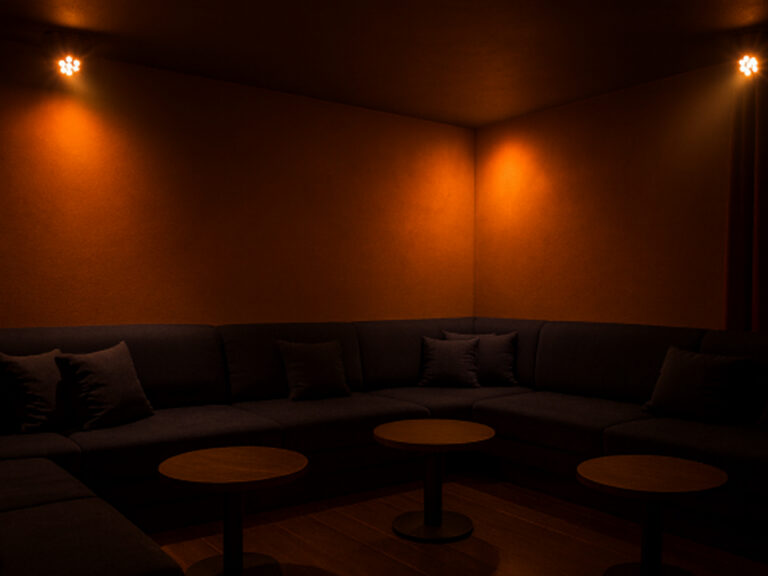
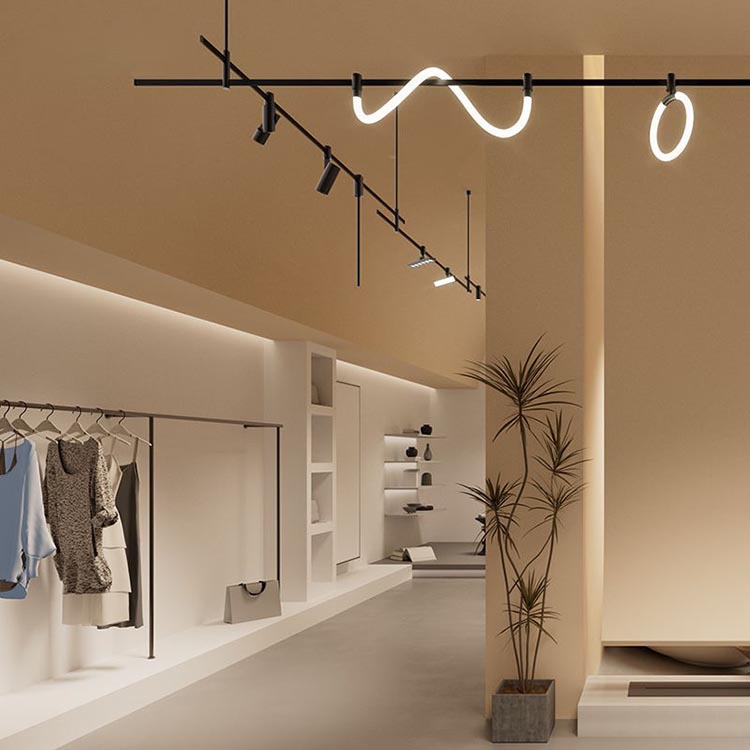
Ceiling Light Applications in Retail, Office, and Hospitality Projects
Table of Contents
Commercial Ceiling Lights Are Not Decorative Afterthoughts
Cheap light lies.
Commercial Ceiling Lights can look identical on a quote sheet, especially when the supplier gives you the same lazy row of wattage, lumen output, CCT, and beam angle, but the installed result can separate a profitable retail floor from a dull box, a comfortable office from a headache factory, and a hotel corridor from a budget basement. Why do so many buyers still approve fixtures like they are buying screws?
I’ll be blunt: most bad commercial lighting applications are not caused by LEDs. They are caused by shallow specification.
The U.S. Department of Energy LED lighting guidance says widespread LED use could save more than 569 TWh annually by 2035, equal to the annual output of more than 92 large 1,000 MW power plants. That number is too large to ignore, but energy savings alone do not prove the room will look good.
And yes, the financial pressure is real. ENERGY STAR’s commercial lighting guidance states that lighting accounts for 17% of electricity consumed in U.S. commercial buildings, while LEDs can use 90% less energy and last 15 times longer than traditional bulbs.
But here is the hard truth: a low-energy ceiling light that creates glare, bad skin tone, flat merchandise, or dead office corners is still a failed product.
For buyers working across retail stores, office interiors, and hospitality projects, I would start with a supplier’s commercial LED lighting portfolio only as the first filter. After that, I want proof: IES/LDT files, CRI data, SDCM binning, driver information, dimming compatibility, beam distribution, warranty terms, and actual project support.
Retail Ceiling Lights: If the Product Looks Dead, the Fixture Failed
Retail is ruthless.
A shop does not need “bright enough” lighting; it needs lighting that pulls attention, respects color, builds contrast, and helps the product win the first three seconds of customer judgment. That is why retail ceiling lights are not the same problem as warehouse lights, even when the wattage looks similar.
I do not trust flat retail lighting. It makes denim look tired, jewelry look cheap, cosmetics look gray, and food look older than it is. In retail, the ceiling is a sales instrument. Use it badly and you pay rent for square meters that do not persuade anyone.
The Japan-backed Joint Crediting Mechanism case for high-efficiency LED lighting in UNIQLO Thailand sales stores gives a useful real-world clue: the project lists FAST RETAILING and UNIQLO Thailand, targets sales stores around Bangkok, and expects 1,649 tCO2-eq. per year in GHG reductions from high-efficiency LED lighting. The calculation compares reference power consumption of 5,300.333 MWh with project power consumption of 2,204.342 MWh.
That is not a mood-board claim. That is operating math.
For LED ceiling lights for retail stores, I would separate the lighting into layers:
Retail Zone
Better Ceiling Light Choice
Typical CCT
CRI Target
Beam Logic
Mistake I See Too Often
Boutique display
COB downlight or adjustable spotlight
3000K–3500K
CRI 90+
15°–36° accent
Using wide beams that flatten product contrast
Supermarket aisle
Linear or panel-style general lighting
3500K–4000K
CRI 80+ / 90 for fresh food
Wider uniform distribution
Overlighting the floor and underlighting shelves
Fashion wall
Track or recessed accent fixture
3000K–3500K
CRI 90+
Vertical emphasis
Treating walls like empty background
Checkout zone
Downlight plus soft vertical light
3000K–3500K
CRI 80+
Comfort-first
Creating glare at payment screens
Window display
Adjustable accent lighting
3000K–4000K
CRI 90+
Tight focus
Making the display visible but emotionally dead
For retail accent zones, a product like the COB LED downlight 20W for retail accent lighting fits the kind of application where beam discipline and product separation matter more than just flooding the store with lumens.
But do not get sentimental about fixture families. A downlight, spotlight, track head, or linear fixture is only “best” when the merchandise, ceiling height, surface reflectance, and customer path support it.
Office Ceiling Lighting: Comfort Is an Operating Cost
Office lighting gets lied about constantly.
The usual pitch says clean, bright, efficient, modern. Fine. But office ceiling lighting has a tougher job than looking clean in a render, because people sit under it for 8 hours, stare at screens, read documents, join video calls, and quietly develop opinions about glare that will never appear in the procurement spreadsheet.
My unpopular opinion: the best ceiling lights for office projects are often boring on purpose.
They control glare. They distribute light evenly. They avoid harsh reflections on screens. They support 3500K or 4000K where task clarity matters. They do not turn meeting rooms into interrogation spaces.
A 2022 office-lighting study in La Medicina del Lavoro found that lighting affects worker health, performance, safety, satisfaction, alertness, and visual comfort; it also reported that natural light availability and color temperature should be considered when improving workplace lighting quality.
That matters because office lighting failure is rarely dramatic. It is slow. People squint. They move chairs. They turn off fixtures. They complain about screens. Then management buys desk lamps and pretends the ceiling plan was fine.
For office projects, I would look closely at recessed downlights, low-glare linear fixtures, and controlled-beam ceiling systems. A product such as the commercial recessed LED downlight 15W for office interior projects makes sense where the ceiling needs to stay clean while the lighting still supports meeting rooms, reception areas, corridors, and general work zones.
The dirty word here is glare.
If a supplier cannot explain how the fixture reduces direct view of the LED source, manages surface brightness, handles beam angle, and behaves in a real ceiling grid, I would not call it office lighting. I would call it a risk with a trim ring.
Hospitality Ceiling Lights: Guests Notice Glare Before They Notice Design
Glare kills comfort.
Hospitality ceiling lights have to do something office fixtures do not: make people feel safe, relaxed, and quietly cared for while they are tired, distracted, hungry, or walking through unfamiliar space. That changes everything.
A hotel lobby can tolerate drama. A guest corridor cannot. A restaurant can use warmth. A service hallway needs visibility. A guest room needs flexible layers. A spa needs softness without becoming dim and unsafe.
This is why ceiling light fixtures for hotels should not be bought from a generic “commercial downlight” list without application logic. The hotel corridor LED ceiling light guide is the kind of internal reference I would use for corridor-specific thinking, because corridors expose every shortcut: shallow optics, harsh LED dots, wrong CCT, weak dimming, and poor spacing.
For hospitality projects, my baseline is usually:
Hospitality Area
Safer Fixture Direction
CCT Range
CRI Target
Control Requirement
Hard Warning
Hotel lobby
Downlights + accent layers
2700K–3500K
CRI 90+ preferred
Scene dimming
Do not make reception staff work under decorative gloom
Guest corridor
Recessed anti-glare downlight
2700K–3000K
CRI 80+ / 90
Occupancy or time scheduling
Avoid visible LED glare at walking eye level
Restaurant
Warm downlight + accent lighting
2700K–3000K
CRI 90+
Dimming
Bad CRI makes food look punished
Guest room entry
Compact downlight or soft ceiling light
2700K–3000K
CRI 80+ / 90
Multi-scene switching
One ceiling light cannot do every job
Bathroom vanity zone
Ceiling plus vertical face light
3000K–3500K
CRI 90+
Damp-location review
Overhead-only light makes faces look tired
The Australian Government business lighting guide says lighting can consume up to 40% of energy in commercial premises, depending on business type and lighting system, and recommends early involvement of lighting designers for new buildings or retrofits.
That is especially relevant in hotels, where lights run long hours and maintenance access is expensive. A cheap driver in a hard-to-reach ceiling is not cheap. It is a delayed invoice.
The Specification Matrix Nobody Wants to Read but Everyone Pays For
Numbers matter.
But the wrong numbers can seduce a buyer into approving a fixture that looks powerful on paper and ugly in the ceiling. Wattage is not brightness. Lumens are not comfort. CCT is not mood. CRI is not the whole story. Beam angle is not optional.
For commercial lighting applications, I would force every ceiling light decision through this matrix before approving samples or bulk quantity.
Decision Point
Retail Projects
Office Projects
Hospitality Projects
My Hard Rule
Primary goal
Product attention and color appeal
Comfort, visibility, screen compatibility
Comfort, mood, wayfinding
Define the room’s job before picking wattage
Common fixture types
COB downlights, track lights, linear modules
Recessed downlights, panels, linear lights
Anti-glare downlights, warm accent lights
Fixture type follows behavior, not catalog order
CCT
3000K–4000K
3500K–4000K
2700K–3500K
Never pick CCT without surfaces and CRI
CRI
CRI 90+ for premium display
CRI 80+ common, 90 for people-facing zones
CRI 90+ preferred for guest-facing areas
Cheap CRI ruins skin, food, fabric, and brand value
Beam angle
Accent: 15°–36°, general: wider
Wider controlled distribution
Narrow-to-medium with anti-glare cutoff
Beam angle decides whether the room feels intentional
Glare control
Important near shelves and checkout
Non-negotiable near screens
Non-negotiable in corridors and lounges
If people see the LED source, ask why
Controls
Scene control, display flexibility
Occupancy, daylight, scheduling
Dimming, occupancy, time scenes
Controls are not luxury; they reduce waste
Documentation
IES/LDT, CRI, CCT bins
UGR data, IES/LDT, driver specs
Dimming, CCT, glare structure
No files, no trust
This is where a guide like Meagree’s low-glare commercial ceiling lights article becomes useful inside the buying process. Low-glare lighting is not a marketing sticker. It comes from optical depth, shielding, diffuser quality, beam control, and the relationship between fixture brightness and human viewing angle.
And when someone says, “Just give me the cheapest 20W ceiling light,” I hear a future complaint.
Reuters reported from EIA data in May 2026 that U.S. power use is expected to set records in 2026 and 2027, with commercial-sector electricity demand projected to surpass residential demand for the first time in 2027. That makes commercial lighting efficiency and controls more than a nice sustainability line; they are part of operating resilience.
How to Choose Ceiling Lights for Commercial Projects Without Getting Played
Start with the application.
Then ask what the light must do physically, emotionally, and financially. A retail ceiling light must sell. An office ceiling light must support sustained work. A hospitality ceiling light must reduce friction in the guest experience. Those are different jobs.
Here is the checklist I would use before approving a commercial ceiling lights order:
Confirm the space type: retail, office, hospitality, corridor, lobby, guest room, checkout, workstation, meeting room.
Confirm the ceiling height, ceiling type, cutout limits, and maintenance access.
Define target illuminance and whether the priority is ambient, accent, vertical, or task lighting.
Select CCT: 2700K, 3000K, 3500K, or 4000K based on mood and function.
Require CRI data, especially CRI 90+ for retail, hospitality, food, beauty, fashion, and people-facing areas.
Ask for beam angle and photometric files, not just lumen output.
Confirm driver quality, flicker behavior, dimming protocol, power factor, and surge protection.
Review sample units under real ceiling height before bulk approval.
Match lead time, packaging, labeling, and repeat-order consistency to the project schedule.
And please, do not approve a fixture because the render looks clean.
A render never shows a tired guest walking under glare at 11:40 p.m. It never shows an accountant moving away from screen reflections. It never shows a black shirt turning gray under weak color rendering. The building will show all of that.
FAQs
What are Commercial Ceiling Lights?
Commercial Ceiling Lights are specification-grade ceiling-mounted luminaires designed for business environments such as retail stores, offices, hotels, corridors, lobbies, restaurants, and mixed-use interiors, where long operating hours, visual comfort, energy performance, glare control, maintenance access, and repeatable product quality matter more than decorative appearance alone.
In practice, they include recessed downlights, surface-mounted downlights, linear LED fixtures, panel lights, spotlights, and track-based systems. The right option depends on ceiling height, user activity, CCT, CRI, beam angle, dimming needs, and whether the space is selling, working, relaxing, or circulating.
How do I choose ceiling lights for commercial projects?
You choose ceiling lights for commercial projects by defining the space function first, then matching fixture type, lumen output, beam angle, CCT, CRI, glare control, driver quality, dimming protocol, and photometric data to the actual project conditions rather than selecting by wattage or catalog appearance.
For retail, prioritize contrast and color. For offices, prioritize visual comfort and screen compatibility. For hospitality, prioritize warmth, anti-glare optics, and scene control. The supplier should provide IES or LDT files, sample support, and clear documentation before you approve volume purchasing.
What are the best ceiling lights for office projects?
The best ceiling lights for office projects are low-glare, evenly distributed LED downlights, panels, or linear fixtures that provide comfortable illuminance, reduce screen reflections, support 3500K–4000K task visibility, and include reliable drivers, dimming compatibility, and layout-ready photometric files for predictable performance.
I would avoid shallow high-lumen fixtures in office ceilings unless the optics are proven. Offices need comfort over drama. A fixture that looks bright in a sample photo can still create fatigue when repeated across a 300-square-meter workspace.
Are retail ceiling lights different from hospitality ceiling lights?
Retail ceiling lights are different from hospitality ceiling lights because retail lighting is designed to direct attention, increase product contrast, and protect color quality, while hospitality lighting is designed to create comfort, warmth, wayfinding, guest safety, and a premium emotional impression across lobbies, corridors, restaurants, and guest areas.
Retail often needs CRI 90+, sharper beams, and stronger accent layers. Hospitality usually needs warmer CCT, deeper anti-glare optics, smoother dimming, and better control of visible brightness. Using the same ceiling light strategy for both is lazy specification.
What CCT is best for ceiling light fixtures for hotels?
The best CCT for ceiling light fixtures for hotels is usually 2700K–3000K for guest corridors, restaurants, lounges, and warm hospitality zones, while 3000K–3500K can work in lobbies, reception areas, bathrooms, and mixed-use spaces that need both comfort and clearer visual performance.
Do not choose CCT alone. Check CRI, surface finishes, beam angle, glare control, dimming curve, and whether the hotel brand wants boutique warmth, business-hotel clarity, or luxury softness. A cold 4000K corridor can make even expensive materials feel cheap.
Your Next Steps
Do not buy ceiling lights from a spreadsheet alone.
Send the reflected ceiling plan, ceiling height, project type, target CCT, finish schedule, preferred fixture type, quantity range, and control requirements before asking for the lowest unit price. If you are sourcing for retail, office, or hospitality projects, request pricing and spec support through Meagree’s commercial LED lighting quote and project support page and ask for the files that separate a real lighting supplier from a box mover: IES/LDT, CRI data, CCT binning, driver details, dimming compatibility, lead time, warranty terms, and sample availability.