ما زلت لا ترى حل الإضاءة التجارية المناسب؟ تحدث إلى فريق المشروع لدينا.
إذا كنت قد راجعت الموقع الإلكتروني أو ناقشت الخيارات بالفعل مع المبيعات ولكنك لا تزال بحاجة إلى توجيه أوضح، أرسل طلبك هنا. سيقوم فريقنا بمراجعة طلبك والمواصفات المستهدفة وقيود المشروع، ثم الرد بالخطوة العملية التالية: ما الذي يناسبك، وما الذي يحتاج إلى تأكيد، وأسرع طريق للحصول على عرض أسعار وملفات جاهزة للمواصفات لمشروعك.
مراجعة مباشرةً لطلبك ومواصفاتك وقيود المشروع للحصول على مسار عرض أسعار أوضح.
مطابقة المنتج عبر خيارات زاوية الشعاع، و CCT / CRI، وبرامج التشغيل، والتعتيم، وعناصر التحكم.
دعم وثائق المشروع، بما في ذلك أوراق القطع، وملاحظات الأسلاك، وملفات IES / LDT حيثما توفرت.
إرشادات OEM / ODM للملصقات والتعبئة والتغليف والتشطيبات الخارجية للمساكن ومتطلبات العلامة التجارية الخاصة.
احصل على عرض أسعار سريع لإضاءة LED التجارية
مصممة للمصممين والمهندسين المعماريين والمقاولين وتجار الجملة ومشتري المشاريع. شارك طلبك والكمية والمواصفات المستهدفة للحصول على أسعار مباشرة من المصنع وإرشادات المهلة الزمنية والدعم الجاهز للمواصفات للمشاريع في الولايات المتحدة والاتحاد الأوروبي.
الخيارات الجاهزة للاقتباس: الشعاع/البصريات، وأهداف CCT / CRI / SDCM، وبرامج التشغيل، والتعتيم، وتكامل عناصر التحكم
كيفية اختيار الطول والقوة الكهربائية للمصابيح الخطية المكتبية
توقف عن ترك أرقام الكتالوجات تدير المشروع
انتشار المواصفات السيئة.
أرى ذلك طوال الوقت: يختار فريق العمل المصابيح الخطية للمكتب حسب العادة، ويختار افتراضيًا وحدة طولها 4 أقدام ووزن قوتها الكهربائية ذات الأرقام الدائرية، ثم يتصرفون بدهشة عندما تبدو الغرفة غير مكتملة، وتلتقط الشاشات الوهج، ويبدو السقف مشغولاً، ويبدأ الكهربائي في الغمغمة حول لوحات الوصول، وإزاحات الرشاشات، وتضارب الشبكة التي كان يجب حلها على الورق. لماذا ما زلنا نتظاهر بأن الطول والقوة الكهربائية هي مرشحات تسوق بسيطة؟
حسابات الطاقة ليست صغيرة أيضًا. فوفقًا لإدارة معلومات الطاقة الأمريكية، استهلكت مباني المكاتب 1093 تيرابايت من الطاقة في عام 2018، وشكلت الإضاءة وحدها 121 تيرابايت من استهلاك الاستخدام النهائي داخل مباني المكاتب؛ وبالنسبة لجميع المباني التجارية الأمريكية، مثلت الإضاءة حوالي 101 تيرابايت من إجمالي استخدام الطاقة. وهذا يعني أن قرارات الإضاءة الخطية الكسولة في المكاتب ليست أخطاء تجميلية. بل هي أخطاء تتعلق بتكلفة التشغيل. الملف التعريفي للطاقة في المباني المكتبية الخاص بتقييم الأثر البيئي و نظرة عامة على المباني التجارية في EIA توضيح ذلك بشكل مؤلم.
والجانب الإيجابي حقيقي. فقد قالت وزارة الطاقة الأمريكية إن المشاركين في حملة الإضاءة الداخلية الخاصة بها قاموا بترقية أكثر من 2.8 مليون وحدة إضاءة داخلية وأجهزة تحكم، وخفضوا استخدام الطاقة بمعدل 54%، ووفروا $68 مليون دولار من فواتير الطاقة. وقالت وزارة الطاقة أيضًا إن المالكين يمكنهم توفير ما يصل إلى 80% من طاقة الإضاءة عند إضافة أدوات التحكم. لذا لا، فإن اختيار المصابيح الخطية للمكاتب ليس عملية صياغة بسيطة. إنها استراتيجية تشغيلية. ملخص حملة وزارة الطاقة للإضاءة الداخلية هي واحدة من الصفحات الحكومية النادرة التي تقول الجزء الهادئ بصوت عالٍ.
جدول المحتويات
الإضاءة الخطية المكتبية تبدأ بالهندسة وليس القوة الكهربائية
يتبع الطول إيقاع المكتب ووحدات السقف والوصول إلى الصيانة
ثلاثة أرقام مهمة.
أبدأ بارتفاع السقف، ووحدة السقف، وإيقاع محطة العمل، لأن وحدة الإضاءة الخطية مقاس 1200 مم أو 4 أقدام التي تعمل في مكتب شبكي 600 × 600 مم يمكن أن تبدو خاطئة تمامًا في ممر ضيق، أو غرفة اجتماعات صغيرة، أو سقف استقبال مع خطوط رؤية طويلة وخدمات مكشوفة. وبمجرد تغيير نمط التركيب من الإضاءة الغائرة إلى السطحية أو المعلقة، يمكن أن يتصرف نفس طول التركيبات كمنتج مختلف تمامًا من حيث الوهج ونمط الظل وعبء الصيانة. هل من الذكاء حقًا التحدث عن القوة الكهربائية قبل أن تعرف أين يفترض أن يهبط خط الضوء؟
بالنسبة لمعظم المكاتب، أفكر في الوحدات، وليس في وحدات إضاءة فردية: وحدات طولها 2 قدم للانتقالات القصيرة والغرف الضيقة، وتركيبات الإضاءة الخطية بطول 4 أقدام لخلجان المكاتب المشتركة، و5 أقدام أو 1500 مم حيثما تريد الهندسة عدد أقل من الوصلات، وتركيبات الإضاءة الخطية بطول 8 أقدام أو وحدات الإضاءة المتواصلة حيثما تريد الهندسة المعمارية إيقاعًا بصريًا أنظف عبر الطوابق ذات المخطط المفتوح. يحث موقع Meagree الخاص القراء بالفعل على هذا الاتجاه من خلال دليل اختيار ارتفاع السقف و مقارنة نمط التركيب للأضواء الخطية. هذا المسار الداخلي ليس حشوًا. إنه التسلسل الصحيح.
مصفوفة البداية الفظة الخاصة بي للأضواء الخطية المكتبية
هذه هي مصفوفة البداية التي أستخدمها قبل النمذجة الضوئية، وليست الإجابة النهائية بعد النمذجة.
نوع المساحة
ارتفاع السقف النموذجي
طول الضوء الخطي النموذجي
القوة الكهربائية المبدئية لكل وحدة تركيبات
ما أريد عادةً أن تقوم به التركيبات
ما الخطأ الذي يحدث في أغلب الأحيان
الممر/الدوران
2.4-2.8 m
2 قدم أو 4 أقدام
10-20W
توجيه هادئ، ووهج منخفض، وتكرار نظيف
يبالغ المشترون في مواصفات السطوع ويخلقون انتقالات قاسية
مكتب صغير
2.6-3.0 m
4 أقدام
18-30W
إضاءة محيطة متوازنة على منطقة المكتب
تركيب مركزي واحد مركزي يترك حواف الجدار ميتة
قاعة الاجتماعات
2.6-3.2 m
4 أقدام أو شوطان قصيران
20-35W
إضاءة متساوية للطاولة بدون انعكاسات للشاشة
يتم توسيط التركيبات في الغرفة وليس على الطاولة
مكتب بمخطط مفتوح
2.7-3.5 m
4 أقدام أو 5 أقدام أو أشواط متواصلة
20-40W
مستوى محطة عمل موحد، وهج منخفض، نظام بصري
تقوم الفرق بنسخ مسافات التجزئة والحصول على ممرات ساطعة ومكاتب معتمة
الاستقبال/منطقة التعاون
3.0-4.5 m
5 أقدام أو 8 أقدام أو أشواط متواصلة
30-50W
خطوط معمارية أطول، هوية أقوى
الطول الزخرفي يفوز على الضوء القابل للاستخدام
سقف مميز / تجهيزات متميزة
3.0 m+
8 أقدام أو أشواط متواصلة
35-60W
الحد الأدنى من المفاصل، إيقاع سقف قوي، تأثير متعدد الطبقات
يتجاهل المحددون الصيانة ووصول السائقين
لكنني لا أثق في الجداول وحدها.
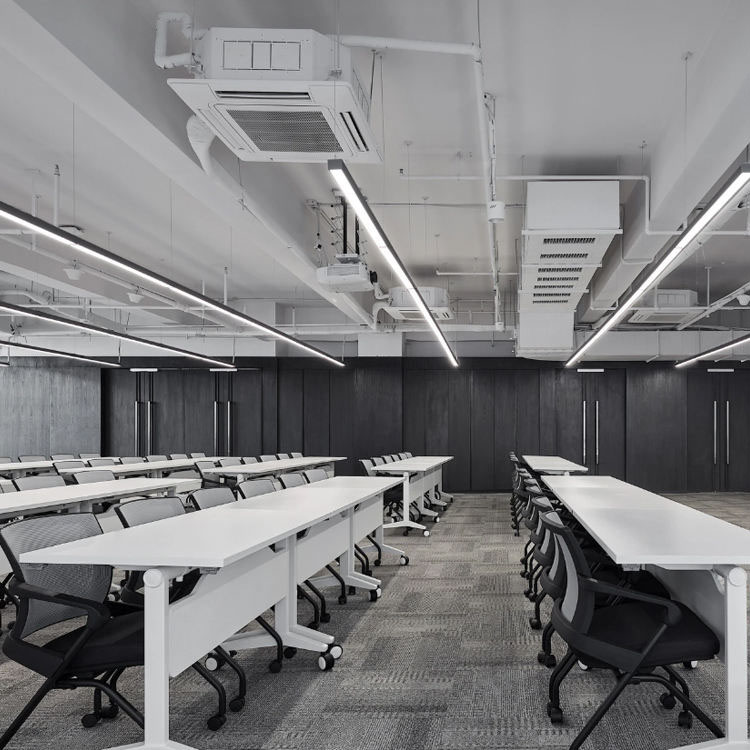
عادةً ما تحتاج الغرفة المليئة بالشاشات إلى مصابيح خطية مكتبية منضبطة ذات سطوع ظاهري أقل، وتحكم أكثر إحكامًا في الوهج، وتباعد عاقل، بينما يمكن أن تتحمل منطقة الاستقبال أو منطقة التعاون - وأحيانًا تحتاج - إلى إضاءة خطية معمارية أطول مع مزيد من الحضور. هذا هو السبب في أنني عادةً ما أقوم بإقران الإضاءة الخطية المحيطة بطبقات إضاءة انتقائية أو إضاءة سفلية انتقائية بدلاً من إجبار مجموعة تركيبات واحدة على القيام بكل وظيفة في الغرفة. إذا كنت تريد المنطق الداعم لهذه الخطوة، فيمكنك الاطلاع على مقال ميجري عن إضاءة سفلية منخفضة التوهج وعالية التوحيد للمكاتب هي واحدة من أفضل المتابعات الداخلية.
القوة الكهربائية بدون لوكس هي مسرح المبيعات
القوة الكهربائية تكذب.
ليس لأن القوة الكهربائية مزيفة، ولكن لأن المشترين يستمرون في التعامل معها على أنها وكيل للإضاءة المكتبية الجيدة في حين أنها تخبرك فقط بقوة الإدخال، وليس الراحة البصرية الفعلية، وليس إضاءة لوحة العمل، وليس جودة التباعد، وبالتأكيد ليس سلوك الوهج على أجهزة الكمبيوتر المحمولة والشاشات. لماذا لا تزال العديد من الكتالوجات تشير إلى الواط كما لو كان ذلك ينهي المناقشة؟
إن الهدف الأكثر فائدة للعمل المكتبي هو مستوى المهام، وليس علامة التجهيزات. تقول إدارة العمل في هونغ كونغ إن الإضاءة المثلى للعمل المكتبي العادي هي 300 إلى 500 لوكس ويجب ألا تقل عن 200 لوكس، بينما تشير إدارة الصحة والسلامة والبيئة في المملكة المتحدة إلى أن المهام التفصيلية تحتاج إلى مزيد من الضوء، وتحدد 300 لوكس لغرفة التحكم و750 لوكس لدراسة الرسومات الهندسية. وفي الوقت نفسه، تطلب إدارة السلامة والصحة المهنية من أصحاب العمل ترتيب محطات العمل والإضاءة لتجنب انعكاس الوهج على شاشات العرض والأسطح القريبة. هذا المزيج مهم أكثر من أي عنوان أنيق “30 واط من تركيبات المكاتب”. اقرأ التوجيهات الفعلية على الإضاءة في المكاتب, إرشادات الإضاءة الخاصة بالصحة والسلامة والبيئة, و صفحة بيئة محطة العمل الخاصة بإدارة السلامة والصحة المهنية.
ما الذي أبحث عنه بالفعل؟ UGR أقل من 19 للمناطق ذات الشاشات الثقيلة، وCRI 80 أو 90 حسب المهمة وحساسية التشطيب، و3500 كلفن أو 4000 كلفن لمعظم المكاتب، وSDCM أقل من 3 إذا كان التناسق البصري مهمًا، وتوافق التحكم المناسب مثل 0-10 فولت أو DALI-2 إذا كان العميل جادًا بشأن الضبط. ونعم، يمكن أن يكون الضوء الخطي القابل للتحديد بالقدرة الكهربائية مفيدًا أثناء عمليات النماذج والتشغيل التجريبي. ولكن إذا كان المقاول سيتركها على أعلى صنبور لأن أحدًا لم يكتب قيم اللوكس المستهدفة، فأنت لم تشتري المرونة. لقد اشتريت عدم اتساق مستقبلي.
البيانات وحشية على مواصفات إضاءة المكاتب الكسولة
الضوابط مهمة أكثر.
وجد عمل كومستوك الذي أجرته شركة NREL أن مقياس إضاءة LED أنتج 37.01 تيرابايت 4 تيرابايت من الكهرباء في الإضاءة الداخلية للمباني التجارية في الولايات المتحدة. وهذا من شأنه أن يقضي على العادة القديمة المتمثلة في التعامل مع الإضاءة الخطية للمكاتب على أنها مجرد محادثة حول التركيبات فقط. تشمل المحادثة الأكثر ذكاءً عناصر التحكم وأنماط الإشغال والتفاعل مع التبريد. وثائق إضاءة LED من NREL's ComStock's ComStock تستحق القراءة لأنها جافة ورقمية، ويصعب مجادلتها.
ثم هناك بيانات الحالة الفيدرالية. يقول الدليل الإرشادي لمصابيح LED وأجهزة التحكم الصادر عن إدارة شؤون الموظفين في GSA أن مكتب إدارة شؤون الموظفين في الولايات المتحدة قام بدمج نظام التحكم في الإضاءة المتصل بالشبكة مع النظام الميكانيكي ووفر 1,000,000 كيلووات ساعة و $94,000 سنويًا، أو $1.9 لكل قدم مربع. وهذا بالضبط هو السبب الذي يجعلني أدير عينيّ عندما يروج الموردون للأضواء الخطية للمكاتب كما لو كانت القوة الكهربائية للتركيبات هي المتغير الوحيد المهم. إرشادات GSA الفيدرالية يجعل القضية معاكسة.
هناك أيضًا ضغط قانوني الآن. مدينة نيويورك قاعدة تحسينات الإضاءة بموجب القانون المحلي 88 يتطلب من المباني المشمولة ترقية بدلات طاقة الإضاءة وعناصر التحكم في الإضاءة، وتوضح قائمة المباني المشمولة في المدينة لعام 2026 أن شبكة الامتثال ليست نظرية. لديّ رأي صريح هنا: إذا كانت مواصفات الإضاءة الخطية لمكتبك تتجاهل بدلات الطاقة وعناصر التحكم والتوثيق، فأنت لا تكتب مواصفات مستقبلية. أنت تكتب إعادة صياغة.
انضباط الموردين مهم أيضاً. ميغري خدمات إضاءة (ليد) التجارية لتصنيع المعدات الأصلية/التصنيع حسب الطلب تقول الصفحة إنها تدعم فريق البحث والتطوير المكون من 10 مهندسين وفريق البحث والتطوير، والبصريات المخصصة، وتكامل برامج التشغيل، وتكامل مستشعرات الإشغال، والاختبارات الضوئية، ودعم إصدار الشهادات، بينما عملية مراقبة جودة إضاءة LED يسلط الضوء على إمكانية تتبع الدُفعات، وسير العمل المُدار من قبل ISO، واختبار تقادم لمدة 96 ساعة على جميع مصابيح LED. هذا هو نوع مجموعة الروابط الداخلية التي أحبها لصفحات النوايا التجارية لأنها تنقل القارئ من الاختيار إلى التحقق من الصحة. والتحقق من الصحة هو المكان الذي عادة ما ينهار فيه الموردون الضعفاء.
ما سأحدده بالفعل في سيناريوهات المكتب الحقيقية
المكاتب ذات المخطط المفتوح
حافظ على هدوئك.
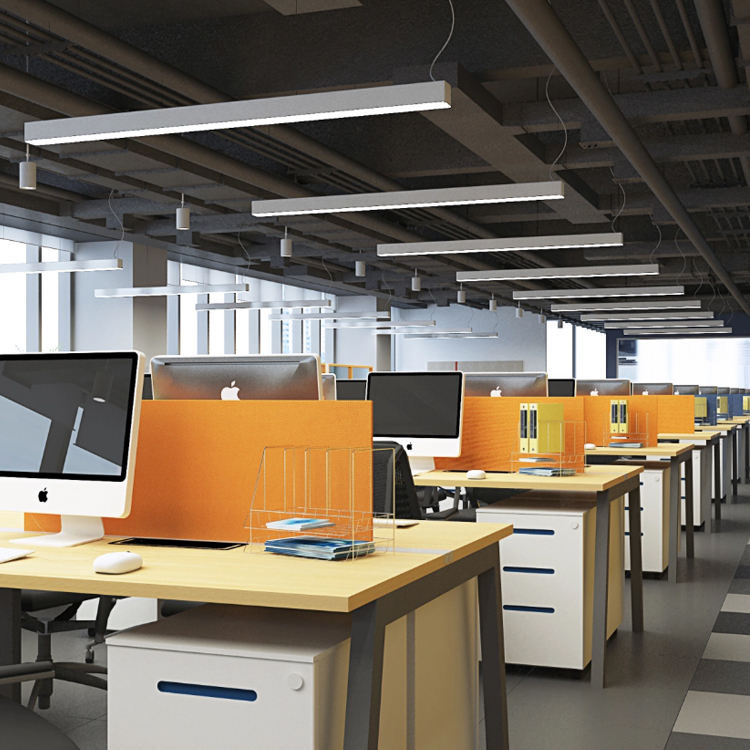
بالنسبة للمكاتب القياسية المفتوحة ذات الأسقف القياسية التي يتراوح ارتفاعها بين 2.7 متر و3.2 متر، عادةً ما أفضل مصابيح LED خطية بطول 4 أقدام أو مصابيح LED مستمرة لمحطات العمل المكتبية، بقدرة 20 إلى 35 وات تقريبًا لكل وحدة كنقطة بداية، مع بصريات منخفضة التوهج وتباعد يتبع صفوف المكاتب بدلاً من خطوط وسط الممرات. إذا كانت المكاتب كثيفة والشاشات في كل مكان، أفضل إضافة المزيد من التجهيزات المنضبطة ذات السطوع الظاهري المنخفض بدلاً من ملاحقة عدد أقل من التجهيزات ذات الإخراج الأعلى. لماذا نجعل الناس يعملون في ظل عدوان بصري؟
المكاتب الصغيرة وغرف الاجتماعات
أقيس إلى الطاولة، وليس الغرفة. هناك خطأ شائع يتمثل في توسيط الأضواء الخطية المكتبية على مستطيل ألواح الجبس عندما تكون المهمة المرئية في الواقع على طاولة اجتماعات أو مجموعة مكاتب أو مقعد مشترك. في هذه الغرف، غالبًا ما تعمل تركيبات الإضاءة الخطية التي يبلغ طولها 4 أقدام بشكل أفضل من المصابيح الطويلة المزخرفة، ويمكن أن تكون قوة 18 وات إلى 30 وات كافية عندما يكون الانعكاس وارتفاع السقف وسطوع الجدار مناسبًا لك.
الممرات ومناطق الدعم
هذا هو المكان الذي يبالغ فيه المشترون. فنادرًا ما تحتاج المساحات المتداولة إلى نفس القوة الكهربائية التي تحتاجها مناطق محطات العمل، كما أن التعامل مع الإضاءة المضادة للوهج أكثر أهمية من السطوع الغاشم لأن الأشخاص يتحركون في المساحة، ويتكيفون من منطقة إلى أخرى، ويقرأون المداخل، وليس جداول البيانات. هذا هو المكان الذي غالبًا ما تكسب فيه المصابيح الخطية المكتبية منخفضة الطاقة أو الخيارات القائمة على الشبكة.
الاستقبال ومناطق الملامح المعمارية
أطول يمكن أن يكون أكثر ذكاءً.
وهنا في الواقع أحب تركيبات الإضاءة الخطية التي يبلغ طولها 8 أقدام، أو الخطوط غير المزخرفة، أو الخطوط المتصلة لأن السقف يحتاج إلى إيقاع وتستفيد الغرفة من عدد أقل من الوصلات. ولكنني ما زلت لا أسمح للهندسة المعمارية بالتسلط على الأداء؛ فإذا كانت الردهة تبدو متميزة وما زال موظفو مكتب الاستقبال يشتكون من ظلال الوجه والوهج العاكس، فإن الخط الفاخر لم يؤدِ وظيفته.
الأسئلة الشائعة
ما الطول الأفضل للأضواء الخطية المكتبية؟
إن أفضل طول للإضاءة الخطية للمكاتب هو الذي يتناسب مع وحدات السقف، وتباعد المكاتب، وخطوط الدوران، والوصول إلى الصيانة، وهو ما يعني عادةً تركيبات بطول 4 أقدام لخلجان المكاتب القياسية، وتركيبات بطول 8 أقدام أو مسارات متواصلة للمخططات الكبيرة المفتوحة، ووحدات أقصر للممرات أو المنافذ أو غرف الاجتماعات الصغيرة. أختار الطول من هندسة الغرفة أولاً والإيقاع البصري ثانياً. أي شخص يختار الطول من الصورة المصغرة للكتالوج يقوم بالمهمة بشكل عكسي.
كم واط للمصابيح الخطية المكتبية؟
إن القوة الكهربائية المناسبة للمصابيح الخطية المكتبية هي أقل مدخلات الطاقة التي لا تزال توفر الإضاءة المستهدفة لمستوى العمل والراحة البصرية وأداء التباعد، وهو ما يعني في الممارسة العملية غالبًا حوالي 10-20 واط للممرات، و20-35 واط للعديد من المكاتب، و30-50 واط للتطبيقات الأطول أو الأكثر دراماتيكية. القوة الكهربائية هي نقطة البداية وليست حكمًا. فاللوكس، والوهج، والبصريات، وعناصر التحكم تنهي القرار.
هل تركيبات الإضاءة الخطية بطول 4 أقدام أم 8 أقدام أفضل للمكاتب؟
عادةً ما تكون تركيبات الإضاءة الخطية بطول 4 أقدام أفضل للأسقف المعيارية وسهولة الصيانة، بينما تكون تركيبات الإضاءة الخطية بطول 8 أقدام أو التشغيل المستمر أفضل عندما تحتاج إلى خطوط بصرية أطول وفواصل أقل وإيقاع معماري أقوى عبر المكاتب ذات المخطط المفتوح أو الاستقبال أو المناطق التعاونية الكبيرة. أنا أستخدم 4 أقدام في كثير من الأحيان، لكنني أثق في 8 أقدام أكثر عندما تريد الهندسة المعمارية الاستمرارية حقًا.
هل يجب استخدام مصابيح خطية قابلة للتحديد بالقدرة الكهربائية؟
المصباح الخطي القابل للتحديد بالقوة الكهربائية هو مصباح خطي قابل للتحديد بالقوة الكهربائية وهو عبارة عن تجهيزات ذات مستويات طاقة متعددة محددة مسبقًا تتيح للقائمين بالتركيب أو فرق التشغيل ضبط الإخراج في الموقع، ويعمل بشكل أفضل عندما يكون للمشروع عملية نموذجية حقيقية، ومستويات لوكس مستهدفة موثقة، وضوابط تسليم منضبطة بدلاً من التخمين. تعجبني أثناء الاختبار. لا أحبها عندما لا يمتلك أحد التكليف النهائي.
خطوتك التالية
إرسال معلومات أفضل.
إذا كنت تقوم بتحديد إضاءة خطية مكتبية في الوقت الحالي، فلا تطلب من المورد “4 أقدام، 40 وات، للاستخدام المكتبي” وتنتهي من الأمر. قم بإرسال ارتفاع السقف، ومخطط السقف المنعكس، وتخطيط محطة العمل، وتخطيط محطة العمل، و CCT المستهدف، وبروتوكول التعتيم، وساعات التشغيل، وما إذا كانت الغرفة ذات شاشة ثقيلة أو مواجهة للعميل أو ذات دوران. ثم اطلب ملفات IES، وتفاصيل برنامج التشغيل، وبيانات الوهج، وخيارات المستشعرات، وتوصية بنموذج.