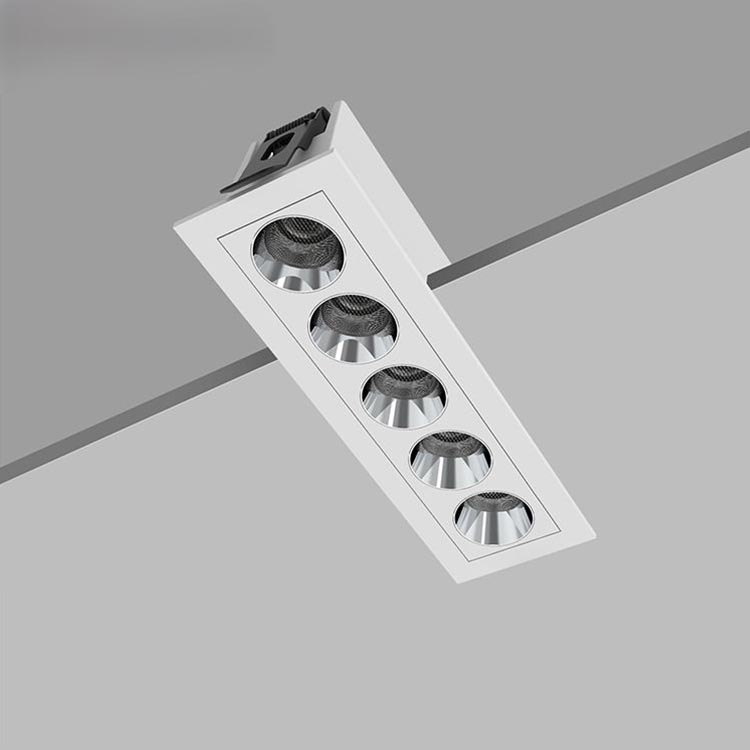
Все еще не нашли подходящего решения для коммерческого освещения? Обратитесь к нашей проектной группе.
Если вы просмотрели веб-сайт или уже обсудили варианты с отделом продаж, но все еще нуждаетесь в более четком направлении, отправьте свой запрос здесь. Наша команда изучит ваше приложение, целевые спецификации и ограничения проекта, а затем ответит, предложив практический следующий шаг: что подходит, что нуждается в подтверждении, и самый быстрый путь к получению предложения и готовых файлов спецификации для вашего проекта.
Непосредственный анализ вашего приложения, спецификаций и ограничений проекта для получения более четкого предложения.
Соответствие продукции по углу излучения, CCT / CRI, драйверам, регулировке яркости и возможностям управления.
Поддержка проектной документации, включая листы разрезов, указания по подключению и файлы IES / LDT, где это возможно.
OEM / ODM руководство по этикеткам, упаковке, отделке корпуса и требованиям к частным торговым маркам.
Получить быструю консультацию по Коммерческое светодиодное освещение
Создан для дизайнеров, архитекторов, подрядчиков, оптовиков и покупателей проектов. Поделитесь своим приложением, количеством и целевыми спецификациями, чтобы получить прямые цены, рекомендации по срокам и поддержку в виде готовых спецификаций для проектов в США и ЕС.
Готовые опции: луч / оптика, цели CCT / CRI / SDCM, драйверы, регулировка яркости и интеграция элементов управления
Проектная документация: разрезы, чертежи и файлы IES / LDT, если таковые имеются
Поддержка OEM / ODM: частные маркировки SKU, упаковка, этикетки, руководства и маркировка со штрих-кодом
Стабильное качество при развертывании: повторяющиеся SKU, контрольные точки контроля качества и масштабируемые поставки для тендеров и повторных заказов
Подробные чертежи и файлы проекта предоставляются по запросу.
Права собственности на инструментарий и планы выхода поставщиков из контрактов с производителями оригинального оборудования в сфере освещения
Программа по производству осветительных приборов по схеме OEM может выглядеть с коммерческой точки зрения безупречно — утвержденные образцы, согласованные тарифы на систему, подписанные прогнозы и производственные планы — в то время как формы и матрицы, экструзионные матрицы, настройки драйверов, фотометрические данные и сертификационные документы по-прежнему находятся под надлежащим контролем поставщика, которого заказчику в конечном итоге, возможно, придется сменить.
Так у кого же на самом деле находится этот товар?
Мое честное мнение таково: многие клиенты-производители оригинального оборудования задаются вопросом о праве собственности на инструменты на полгода позже, чем следовало бы. Они задают его уже после того, как объемы поставок сокращаются, возникают споры по поводу качества, поступают требования о выплате денег или поставщик сообщает, что для получения пресс-формы потребуется уплатить необычный “вводный взнос”.”
Это не метод влияния. Это переговоры о освобождении заложников.
Соглашение о владении инструментальным оборудованием не должно ограничиваться лишь указанием того, что заказчик владеет физическими объектами. Оно должно предоставлять покупателю задокументированное право определять, проверять, получать доступ, перемещать, копировать и эксплуатировать инструментальное оборудование в других местах. Кроме того, эти права должны быть увязаны со стратегией выхода поставщика, которую инженеры, менеджеры по качеству, логистические группы и финансовые отделы смогут реально реализовать.
Договор выглядит отлично, пока поставщик не откажется
Основное исходное предположение звучит примерно так:
“Мы оплатили изготовление оснастки, поэтому она принадлежит нам”.”
Возможно.
Оплата является доказательством владения, однако она не решает сразу же вопросы, связанные с владением, доступом, залогом, неплатежеспособностью, экспортом, техническим обслуживанием или передачей технологий. Дистрибьютор может буквально удерживать устройство у себя, встроить его в более крупное оборудование, хранить на заводе субподрядчика или утверждать, что просроченные счета за продукцию дают право на его удержание.
Проблемы с формулировками.
В «Constellium Automotive USA» против «AMI Livonia», заказчик фактически оплатил изготовление инструментального оборудования, разработанного исключительно для производства его деталей. Когда сотрудничество прекратилось, дистрибьютор отказался передать инструментальное оборудование, что вынудило заказчика обратиться в суд за экстренной судебной защитой. Суд пришел к выводу, что у заказчика имелось преимущественное право на немедленное вступление во владение и получение оборудования, но при этом потребовал предоставления гарантии в размере $2,2 млн, поскольку изъятие оборудования угрожало потерей почти 47% годовой выручки поставщика.
По всей видимости, у покупателя было необходимое оборудование. Однако грузовики по-прежнему поставлялись без него.
Заказчики, заказывающие системы освещения по схеме OEM, сталкиваются с точно таким же структурным риском. Форма для литья под давлением алюминиевого корпуса ADC12 может законно принадлежать заказчику, но при этом оставаться закрепленной болтами на станке на заводе, расположенном за бесчисленные километры от него. Матрица для экструзии диффузора из ПММА может находиться у переработчика второго уровня, который никогда не подписывал условия приобретения, установленные покупателем. Настройки драйвера DALI-2 могут существовать только на ноутбуке инженера-разработчика поставщика.
Теоретически одного права собственности недостаточно.
Что на самом деле входит в понятие “инструментарий” в рамках программы OEM по освещению
В одном из слабых соглашений инструментарий определяется как “формы и штампы, которые со временем приходят в негодность”.”
Легкие алюминиевые экструзионные матрицы для корпуса или радиатора
Формы для литья под давлением торцевых крышек, решеток, зажимов и оптических компонентов
Штамповочные инструменты и приспособления для гибки
Файлы Gerber для печатных плат с алюминиевым сердечником и схемы развертки панелей
Требования к сортировке светодиодов по классам качества и правила допустимой замены
Прошивка Chauffeur, кривые регулировки яркости и настройки тепловой защиты
Настройка приспособлений, паяльных держателей и значений момента затяжки
Протоколы испытаний с использованием интегрирующей сферы и гониофотометра
Фотометрические данные IES или LDT
Упаковка продукции, оформление тары и технические характеристики поддонов
Контрольные образцы, предельные образцы и определение результатов проверки
Расходы, связанные с конкретными продуктами, и история их модификаций
Физическое устройство представляет собой лишь один уровень.
Рассмотрим Линейка коммерческих встраиваемых светодиодных светильников мощностью 15 Вт. Заказчик может восстановить корпус, удалив плесень и грибок, но все равно не сможет повторно изготовить изделие из-за отсутствия данных о геометрии отражателя, конструкции пружинного зажима, качестве смолы диффузора, технических характеристиках драйвера и утвержденном комплекте светодиодов.
Это неудачный перевод.
Поэтому в надежном договоре необходимо разделить имущество на четыре категории:
Оборудование, принадлежащее заказчику: Плесень и грибки, утилизация, компоненты, оценка и специализированное оборудование для конкретных видов продукции.
Технические данные, принадлежащие покупателю: CAD-файлы, чертежи, файлы Gerber, спецификации, настройки прошивки, протоколы испытаний и результаты платных разработок.
Информация об авторе распространёния: Существующие подходы, базовые процессы и многопрофильный производственный опыт.
Продукты для переходного периода: Примеры, дополнительные вкладыши, документация по техническому обслуживанию, незавершенное производство, сырье, запасы упаковочных материалов и подтверждающие документы о сертификации.
Такая классификация позволяет избежать классической ситуации, когда поставщик признает, что форма принадлежит покупателю, но при этом настаивает на том, чтобы эксплуатационная документация, иллюстрации или технические условия оставались в распоряжении дистрибьютора.
Форма без окна, в котором отображается порядок действий, может превратиться в дорогостоящий пресс-папье.
Владение — это не владение, а право собственности — это не непрерывность
Эти права должны быть сформулированы отдельно:
Название лица, у которых данный актив находится в законном владении.
Недвижимость отвечает на вопрос, кто в данный момент может физически владеть этим предметом или пользоваться им.
Доступ решения, касающиеся того, может ли покупатель проводить осмотр, аудит, техническое обслуживание или получение товара.
Возможность передачи даёт ответ на вопрос, можно ли передать данный актив ещё одному производителю без дополнительного разрешения.
Эксплуатационная пригодность проверяет, имеется ли у другого завода достаточно информации для изготовления корректируемой продукции.
Подключение определить, удастся ли возобновить производство до того, как запасы будут исчерпаны.
Сложность этих юридических прав приводит к значительным финансовым потрясениям.
Несостоятельность еще больше усугубляет эту разницу. В споре с компанией «Plastech» факт владения Chrysler не привел к немедленному возврату имущества, поскольку договорные права поставщика на владение имуществом, а также его потребность в использовании оборудования на протяжении всего периода реорганизации повлияли на оценку дела о банкротстве. В оценке ситуации, представленной Bloomberg Law, отмечается, что суд отказался разрешить Chrysler забрать оборудование путем освобождения от автоматического приостановления. Итак: право владения может проиграть в гонке с процедурой.
Именно поэтому оптимальные условия передачи инструментария — это не просто формулировка в заголовке. Это целая система, включающая документы о праве собственности, гражданские права на доступ, условия запуска процесса передачи, правила оценки, процедуры доступа и заранее согласованную поддержку при внесении изменений.
3 спорных вопроса, которые должен изучить каждый клиент-производитель оригинального оборудования
Constellium: Погашение задолженности не защитило компанию от судебного спора о возврате имущества
Компания Constellium понесла расходы на специализированное оборудование, расторгла договор с поставщиком и направила транспортные средства для его вывоза. Дистрибьютор отказался.
В какой-то момент суд принял решение о немедленной отгрузке, но по-прежнему требовались судебные иски, предоставление гарантии и принятие экстренных мер. Урок заключается не просто в “документальном подтверждении владения”. Урок заключается в том, чтобы зафиксировать право на немедленное вступление во владение, порядок доступа, доступность для погрузки, ответственность за заполнение документов и обязанность поставщика не создавать препятствий. В соглашении о перевозке необходимо указать, что предоставляются вилочные погрузчики, точки подъема, смазочное масло, упаковка для экспорта, таможенные документы и отчеты о состоянии оборудования.
Мало информации? Только не во время закрытия.
Plastech: Несостоятельность может привести к приостановке действия фактических прав клиента
Компания «Plastech» объясняет, почему заказчикам не следует полагать, что принадлежащее им производственное оборудование полностью остается за пределами реструктуризации поставщика. Поставщик может обладать договорными и юридическими правами на эксплуатацию оборудования, а суд по делам о банкротстве может учитывать влияние ликвидации на способность должника продолжать свою деятельность. Юридическая формулировка не сводится лишь к более изящной формулировке прав собственности.
Клиентам необходимы системы раннего оповещения, механизмы финансовой отчетности, средства контроля за расположением инструментов, резервное копирование данных, юридические права на дубликаты инструментов, а также достаточные запасы для обеспечения безопасности и защиты, чтобы выдержать возможные задержки в судебном разбирательстве.
HELLA и BOGE: амортизация инструментальной оснастки приводит к появлению скрытой финансовой задолженности
Судебный спор 2024 года в федеральном суде с участием компаний HELLA и BOGE касался программы поставок для Tesla Model Y, в рамках которой затраты на производственное оборудование в размере примерно $415 000, на которые начислялась процентная ставка 8%, должны были амортизироваться за счет производства 900 000 единиц. Компания HELLA заявила, что впоследствии было аннулировано 191 484 твердых заказа и что годовые прогнозы были снижены практически на 100 000 единиц. Такая ситуация встречается повсеместно в производстве оригинального оборудования (OEM).
Оборудование называется “бесплатным”, поскольку его стоимость включена в цену единицы продукции. Затем программа завершается досрочно, и поставщик подает крупную страховую претензию в связи с неосвоенной стоимостью оборудования.
Моя точка зрения? “Бесплатное производственное оборудование” — это, как правило, отложенный эффект.
В каждом контракте с поставщиком автомобильного освещения или контракте с производителем коммерческого освещения (OEM) должно быть указано:
Стоимость первоначального инструментального оснащения
Амортизированное количество на единицу
Начальное и остаточное равновесие
Применяется ли процентная ставка
Переходит ли право собственности до полного погашения задолженности
Что происходит после сокращения объема проекций
Сможет ли покупатель оплатить остаток и получить устройство
Установлен ли верхний предел расходов на расторжение договора
Что минимизирует равновесие: стоимость металлолома или ценность повторного использования?
Без этих цифр цена продажи будет такой, какую укажет продавец.
Договор о владении инструментами: важные положения
Эффективный договор о предоставлении инструментов должен содержать не только общие формулировки, характерные для строительной отрасли.
Положение о передаче прав на название
Укажите точно, когда происходит переход права собственности: после полного погашения задолженности, после погашения ключевого платежа, после завершения работ, после приемки или после создания объекта.
Избегайте неясных формулировок, таких как “инструментарий, приобретаемый для реализации программы, должен поставляться заказчиком”. Какой именно инструментарий? Кем он приобретается? На каком этапе?
Подключите расписание.
Положение об идентификации активов
Каждое устройство должно иметь:
Уникальный номер объекта недвижимости
Обзор инструмента
Система классификации товаров и артикулов
Физическая площадь
Название поставщика и субпоставщика
Номер заказа на поставку
Первоначальная стоимость
Фото
Размеры и вес
Дата назначения
Состояние технического обслуживания
На постоянных табличках должно быть указано, что данный объект является жильем клиента.
Одной таблицы явно недостаточно.
Положение об отсутствии залога и обременений
Продавец обязуется, в той мере, в какой это предусмотрено законом, не давать обещаний, не устанавливать ипотеку, не налагать финансовые обязательства или иные обременения на принадлежащее покупателю производственное оборудование.
Поставщик также должен получить соответствующие подтверждения от субподрядчиков.
Это требование о передаче ответственности имеет важное значение, поскольку многие производители осветительных приборов заключают контракты с одним сборщиком, в то время как пресс-форма для линз, экструзионная форма или литейная форма находятся на другом производственном предприятии.
Условие об ограниченном использовании
Оборудование, принадлежащее заказчику, должно использоваться исключительно для производства товаров и в количествах, утвержденных заказчиком.
Это обеспечивает защиту от переполнения, продаж на «сером рынке» и несанкционированных подделок под собственными торговыми марками.
Покупатель должен иметь возможность проводить оценку инструментального оборудования на периодической основе, а также по установленным критериям.
Оценки должны охватывать следующие аспекты:
Проблема с устройством
Количество выстрелов или время работы
Документация по профилактическому техническому обслуживанию
Коррозия или повреждения
Несанкционированные изменения
Условия хранения
Существующее место
Страховая защита
Право собственности субподрядчика
Фотографии, сделанные дистанционно, подходят. Они не являются аудитом.
Положение о техническом обслуживании и замене
Укажите, кто оплачивает профилактическое обслуживание, сменные вставки, ремонт и замену.
В договоре следует провести разграничение между естественным износом и повреждениями, возникшими в результате небрежного обращения. Кроме того, в нем должно быть указано, переходит ли право собственности на заменяемое устройство к покупателю, а также необходимо ли возвращать старое устройство, обеспечивать его сохранность или устранять повреждения в соответствии с задокументированными инструкциями.
Немедленный доступ и предоставление доступа
Определите права клиента в случае расторжения договора, повторного сбоя в поставках, серьезного снижения качества, риска неплатежеспособности, закрытия производственного предприятия, подверженности санкциям, смены контроля или нарушения конфиденциальности.
В соглашении должны быть оговорены часы доступа, помощь в упаковке, меры безопасности, подготовка к транспортировке и сроки отправки.
“Без промедления” — это не крайний срок.
Часы использования и рабочие дни.
Технические данные — состояние на момент передачи
Требуются текущие варианты:
Исходные данные CAD
2D-чертежи
Иллюстрации устройств
Спецификации и списки утвержденных поставщиков
Файлы Gerber для печатных плат
Документы по прошивке и критериям
Инструкции по сборке
Стратегии управления
Методы обследования
Документы по анализу отказов
Золотые образцы
Файлы с фотометрическими данными
Требования к упаковке
История изменений
PDF-файлов может оказаться недостаточно. В случае оперативной необходимости следует использовать редактируемые макеты в исходном формате.
Стратегия выхода дистрибьютора: 90-дневный операционный план действий
Большинство планов выхода провайдеров — это выдумка.
Они состоят из одного предложения, в котором говорится, что поставщик услуг обязательно обеспечит “разумную поддержку в связи с изменениями”. Доступную для кого?
Наиболее эффективная стратегия управления отпусками поставщиков в рамках контрактов на поставку осветительных приборов для производителей оригинального оборудования (OEM) предусматривает распределение обязанностей по графику.
До срабатывания любого триггера выхода
Заказчик обязан обеспечить:
Актуальный реестр инструментов
Карта проверенных производственных предприятий и субпоставщиков
Дубликаты технической документации за пределами систем поставщика
Признанные образцы высочайшего качества
Как минимум одна оценка целесообразности использования альтернативного источника
Целевые показатели страхового запаса с учетом времени выполнения перевода
Перечень мероприятий по сертификации и проверке, которые необходимо провести после заводской настройки
Утвержденные тарифы на услуги по сопровождению перехода
Для Коммерческий потолочный светодиодный светильник мощностью 20 Вт, заказчику необходимо выяснить, можно ли транспортировать литой корпус, отражатель, светодиодную плату, драйвер и упаковку изделия по отдельности или их необходимо перевозить в составе единого производственного комплекта.
Самые первые 24 часа
После наступления определенного условия, вызывающего отпуск:
Прекратить несанкционированную деятельность по изготовлению инструментов
Подтвердить объемы запасов, незавершенного производства и сырья
Обеспечение сохранности производственной документации и записей о качестве
Фотографии всех вещей клиента
Опубликовать имеющуюся техническую документацию
Учитывать ожидаемые поставки и обязательства по закупкам
Создать совместную группу управления процессом перехода
Для начала — краткая информация.
Первые 5 рабочих дней
Стороны должны заполнить:
Оценка физических характеристик устройства
Отчет о проблемах и техническом обслуживании
Запас запасных частей и вставок
Стратегия упаковки продукции и обучения персонала
Экспортная и транспортная документация
Оценка открытых вопросов качества
Личность-сырье
Оценка эффекта квалификации
Анализ неиспользованных мощностей завода по замене деталей
6–30-й дни
Переместите или скопируйте инструмент.
Одновременно с этим необходимо ознакомиться с процедурой передачи, провести обучение персонала завода-заменителя, проверить источники поставок материалов и изготовить первые образцы. Не следует ждать поступления оборудования, прежде чем приступить к анализу документации.
Повторение одной и той же работы позволяет сэкономить несколько недель.
31–90-й дни
Проведение полного пилотного производства, оценка габаритных характеристик, термический отбор, отбор по критериям доступности (при необходимости), фотометрическая проверка, проверка совместимости с системами управления, идентификация упаковки и обновление необходимых сертификатов.
Не следует считать, что продукт был передан только потому, что завод-производитель, осуществляющий замену, изготовил один рабочий образец.
Стандартом является стабильность результатов.
Проблемы Northvolt с производством в 2024 году наглядно демонстрируют, почему покупателям следует ориентироваться на реальные результаты, а не на амбициозные планы. Агентство Reuters сообщило, что компания расторгла контракт с BMW на сумму 2 млрд евро из-за проблем с поставками и качеством; за одну неделю в октябре она, как сообщается, поставила 22 000 готовых к отгрузке элементов аккумуляторов при целевом показателе в 30 000, что значительно ниже ранее заявленной цели в 100 000 элементов в неделю. Спад производственных показателей — это не потенциал.
Матрица рисков, связанных с инструментами и отпусками
Собственность или право
Распространенные нарушения условий договора
Функциональный эффект
Требуется контроль
Форма для литья под давлением
Покупатель произвел оплату, но дата перехода права собственности не определена
Дистрибьютор оспаривает право владения или требует еще одного платежа
Заказ на инструментарий, утверждающий документ, серийный номер и указание названия
Экструзионная матрица
Die находится в ведении субподрядчика, имя которого не разглашается
Основной поставщик не может быстро запустить этот проект
Утвержденная процедура для субпоставщиков и стандартное подтверждение
Формы для литья под давлением и плесень
Устройство встроено непосредственно в инструменты поставщика
Клиент не может избавиться от него или использовать его в другом месте
Иллюстрации интерфейса, стратегия продвижения и требования к автономной работе
Данные о печатных платах и водителях транспортных средств
Поставщик предоставляет только иллюстрации в формате PDF
Запасная фабрика не может редактировать или воссоздавать макет
Модернизация производственных мощностей приводит к задержкам в процессе проверки или получения разрешений
Клиент получает доступ к своим законным правам, полным техническим данным и оценке перехода
Яркие примеры
Образцы отсутствуют или устарели
По внешнему виду или показателям эффективности нового производственного объекта нельзя судить о его ограничениях
Контрольные эталонные образцы с документацией по ревизии и хранению
Техническое обслуживание оборудования
Данные о составе заряда и истории обслуживания отсутствуют
Инструмент оказался поврежденным или приблизился к окончанию срока службы
Журнал технического обслуживания, права на осмотр и правила распределения износа
Амортизированное производственное оборудование
Баланс не корректируется на регулярной основе
Поставщик выставляет счет на огромную сумму
Ежемесячная ведомость амортизации и формула расчета покрытия
Перечень средств безопасности
Прогноз предполагает немедленную передачу
В ходе переезда количество заказов от клиентов сокращается
Барьер, основанный на оценке риска, привязанный к срокам перемещения и повторной валидации
Права владения
В договоре оговорено право владения, но не право доступа
Покупателю следует обратиться в суд, прежде чем накапливать устройства
Формулировки, касающиеся немедленного вступления во владение, доступности и невмешательства
Как именно защитить права собственности на инструментарий в контрактах с производителями оригинального оборудования (OEM)
Начните с другого графика изготовления инструментов.
Не следует скрывать условия владения имуществом в общих условиях приобретения и исходить из того, что условия продажи продавца не будут этому противоречить. График поставки оборудования должен быть подписан, обновлен и приложен к каждому соответствующему заказу.
После этого проверьте, как соглашение справляется с крайне неблагоприятными ситуациями:
Поставщик не осуществляет отгрузку в течение четырёх недель подряд.
Поставщик требует повышения стоимости на 25%.
Банк получает залог в виде имущества поставщика.
Производственное предприятие временно приостанавливает работу.
Субподрядчик отказывается обеспечить доступность.
У поставщика сменился владелец.
Нарушения качества требуют отзыва продукции.
Меры экспортного контроля препятствуют отгрузке.
Договор с заказчиком расторгается до полной амортизации инструмента.
В процессе демонтажа инструмент повреждается.
Для замены производственного оборудования требуется информация о технологических процессах, которую поставщик считает конфиденциальной.
Может ли договор предусматривать каждый из возможных сценариев без необходимости импровизации?
В противном случае он будет неполным.
Я также рекомендую обсудить права на создание дубликатов инструментов для товаров с высокой прибыльностью. Заказчику не всегда требуется разрабатывать дубликат сразу, но у него должна быть возможность сделать это после достижения определённых показателей эффективности или при наступлении определённых экономических условий.
Да, дубликаты устройств обходятся в копеечку.
То же самое касается и отказа от какой-либо линейки продукции.
Часто задаваемые вопросы
Что такое право собственности на инструментальное оборудование в предложении OEM-производителя по осветительным системам?
Право владения инструментами в рамках соглашения об OEM-поставках осветительных приборов представляет собой закрепленное документально законное и функциональное право управлять, оценивать, перемещать, копировать и перераспределять имущество, относящееся к конкретному продукту — включая пресс-формы, штампы, приспособления, тестовые компоненты, данные CAD, прошивку и оценочные материалы — без необходимости получения дополнительного согласия дистрибьютора.
Фактическое владение должно охватывать как материальные активы, так и техническую информацию, необходимую для их эксплуатации. Заказчик, владеющий пресс-формой, но не располагающий чертежами, настройками технологического процесса или утвержденными спецификациями материалов, возможно, не обладает передаваемой производственной системой.
Как именно покупатель может обеспечить себе право владения инструментами в рамках соглашений с производителями оригинального оборудования (OEM)?
Клиент-производитель оригинального оборудования (OEM) защищает свои права собственности на инструментальное оборудование, увязывая передачу права собственности с достижением определённого этапа оплаты, присваивая каждому объекту имущественной собственности идентификационный номер и фотографию, запрещая наложение залоговых прав, обеспечивая проведение аудита и доступ к гражданским правам, а также требуя немедленной сдачи оборудования, документации, запасных частей и незавершённого производства после наступления условия, вызывающего уход сотрудника.
Контракт должен также предусматривать равные обязательства для субпоставщиков. В противном случае прямой дистрибьютор может обещать права на возврат товара, которые он не уполномочен предоставлять.
Что такое план выхода дистрибьютора?
Стратегия выхода поставщика — это закреплённый в договоре порядок действий, в котором определено, когда вступают в силу права на передачу производства, кто контролирует запасы и производственное оборудование, какие технические данные должны быть предоставлены, как осуществляется проверка производства на замещающем производственном предприятии, а также какие целевые сроки, сборы, права доступа и этапы перехода применяются на протяжении всего процесса передачи.
Стратегия должна быть разработана до начала производства. Откладывание этого вопроса до момента прекращения производства, как правило, приводит к необходимости согласовывать каждое изменение в условиях, когда поставки, обязательства перед клиентами и финансовые риски уже находятся под давлением.
Может ли дистрибьютор хранить инструменты, принадлежащие заказчику?
Дистрибьютор может сохранять физическое хранение принадлежащего покупателю производственного оборудования на протяжении всего обычного производственного цикла, однако он не должен иметь неограниченного права удерживать, перемещать, модифицировать, утилизировать, передавать в залог или продолжать использовать данное оборудование после прекращения производства, банкротства, несоответствия требованиям к качеству, невыполнения пороговых показателей по поставкам или иного случая изменения обстоятельств, предусмотренного договором.
На процесс принудительного исполнения по-прежнему могут влиять региональные законы о залоге, банкротстве, а также о жилой и коммерческой недвижимости. Покупателям следует получить юридические рекомендации с учетом особенностей конкретной юрисдикции и не полагаться исключительно на заявление в заказе на покупку, в котором указано, что оборудование является “потребительской жилой или коммерческой недвижимостью”.”
Кому должны принадлежать сертификационные документы и информация о макете?
Квалификационная документация и информация о компоновке должны распределяться по типам записей: заказчик должен располагать специфическими для продукта CAD-чертежами, спецификациями, файлами Gerber, схемами встроенного ПО, фотометрической документацией и отчетами об оплате, в то время как поставщик может обладать уже имеющимся производственным опытом, который не исключает передачи, воспроизведения, тестирования или повторного утверждения со стороны руководства.
Соглашение также должно обеспечивать покупателю дальнейший доступ к необходимой технической документации после прекращения сотрудничества. Положение о конфиденциальности должно защищать уникальный опыт поставщика, не ограничивая при этом возможности заказчика по переносу производства.
Какой метод переговоров с поставщиками лучше всего подходит для заключения выгодных сделок на световые приборы для OEM-производителей?
Наиболее эффективный метод выхода поставщика из контрактов на поставку оригинального осветительного оборудования включает в себя механизмы раннего предупреждения, проверенную документацию по производственному оборудованию, дубликаты технической информации, страховой запас, заранее согласованные решения по переходу на другого поставщика, подготовку альтернативных источников поставок, а также график проверки продолжительностью от 30 до 90 дней, который начинается до того, как действующий дистрибьютор прекратит производство.
Ни одно отдельное положение не может обеспечить непрерывность работы. Правовые гарантии гражданских свобод, стратегия физической передачи данных, технический комплекс, работа по аккредитации и резервные запасы должны функционировать в комплексе.
Подготовьте сделку к выходу из проекта до получения первого заказа на поставку
Не начинайте с цены устройства.
Начните с описания ситуации, приведшей к сбою.
Узнайте, где точно будут храниться все формы и матрицы, штампы, компоненты и технологическая документация. Узнайте, кому они принадлежат, кто имеет право их перемещать, что произойдет в случае резкого сокращения объемов производства и как производство будет возобновлено на другом заводе.
Затем запишите решения.
Право собственности на инструментарий ни в коем случае не должно зависеть от утраты поставщиком своей хорошей репутации. А план действий на случай ухода поставщика ни в коем случае не должен начинаться в день прекращения сотрудничества.
Сначала создайте пункт отправления, а затем — пункт прибытия.