Все еще не нашли подходящего решения для коммерческого освещения? Обратитесь к нашей проектной группе.
Если вы просмотрели веб-сайт или уже обсудили варианты с отделом продаж, но все еще нуждаетесь в более четком направлении, отправьте свой запрос здесь. Наша команда изучит ваше приложение, целевые спецификации и ограничения проекта, а затем ответит, предложив практический следующий шаг: что подходит, что нуждается в подтверждении, и самый быстрый путь к получению предложения и готовых файлов спецификации для вашего проекта.
Непосредственный анализ вашего приложения, спецификаций и ограничений проекта для получения более четкого предложения.
Соответствие продукции по углу излучения, CCT / CRI, драйверам, регулировке яркости и возможностям управления.
Поддержка проектной документации, включая листы разрезов, указания по подключению и файлы IES / LDT, где это возможно.
OEM / ODM руководство по этикеткам, упаковке, отделке корпуса и требованиям к частным торговым маркам.
Получить быструю консультацию по Коммерческое светодиодное освещение
Создан для дизайнеров, архитекторов, подрядчиков, оптовиков и покупателей проектов. Поделитесь своим приложением, количеством и целевыми спецификациями, чтобы получить прямые цены, рекомендации по срокам и поддержку в виде готовых спецификаций для проектов в США и ЕС.
Готовые опции: луч / оптика, цели CCT / CRI / SDCM, драйверы, регулировка яркости и интеграция элементов управления
Проектная документация: разрезы, чертежи и файлы IES / LDT, если таковые имеются
Поддержка OEM / ODM: частные маркировки SKU, упаковка, этикетки, руководства и маркировка со штрих-кодом
Стабильное качество при развертывании: повторяющиеся SKU, контрольные точки контроля качества и масштабируемые поставки для тендеров и повторных заказов
Подробные чертежи и файлы проекта предоставляются по запросу.
Как найти баланс между эстетикой, визуальным комфортом и энергоэффективностью в коммерческом освещении
Внешний вид имеет значение.
Но я был свидетелем достаточного количества обсуждений стоимости освещения, чтобы понять, что настоящий бардак начинается, когда команды относятся к эстетике, визуальному комфорту и энергоэффективности как к трем отдельным отделам, потому что как только один человек настаивает на “драматическом эффекте”, другой - на “максимальной яркости”, и никто не спрашивает, куда на самом деле падает взгляд, проект дрейфует к бликам, напрасно потраченным ваттам и пространству, которое фотографируется лучше, чем работает. Почему мы все еще проектируем для камеры, а не для человека?
Суровая правда о дизайне коммерческого освещения
Красота продается.
И все же в коммерческом световом дизайне красота обычно уничтожается одним и тем же способом: слишком большая видимая яркость с неправильной диафрагмы, под неправильным углом, с неправильной стратегией управления, оправданной электронной таблицей, в которой количество светильников ценится больше, чем терпимость человека. Разве это не любимое самовнушение индустрии?
Я думаю, первое правило простое: перестаньте путать яркость с качеством. Вестибюль может выглядеть премиально и при 12, и при 15, и при 20 Вт, если луч дисциплинирован, контраст намеренный, а потолок не кричит на людей. Вот почему я предпочел бы начать схему с идеи дизайна коммерческого освещения и затем выстраивать внешние связи через Светодиодные решения для коммерческого освещения чем начать с пакета люменов и молиться, чтобы комната нас простила.
Цифры не отличаются утонченностью. По данным Данные EIA США по энергопотреблению в коммерческих зданиях, В 2018 году на освещение пришлось около 10% общего энергопотребления коммерческих зданий США, в то время как коммерческие здания потребляли 35% американской электроэнергии. И Стандарт ASHRAE 90.1 остается эталоном, который продолжает подталкивать дизайнеров к отказу от ленивого пересвечивания и переходу к управляемому исполнению.
Оглавление
Эстетика без контроля бликов - это любительская работа
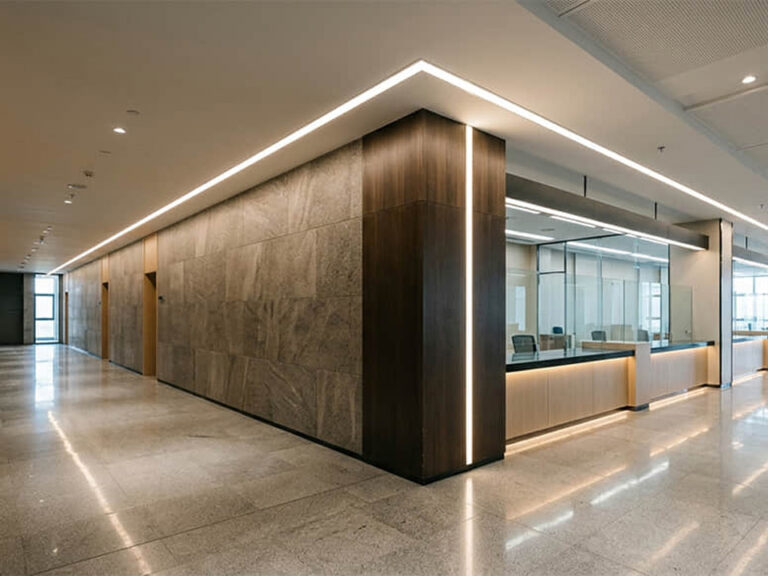
Три слова. Блики убивают доверие. Люди редко заходят в помещение и говорят: “Этот унифицированный рейтинг бликов неприемлем”, но они совершенно точно чувствуют это, когда источник слишком яркий, отражения на столе раздражают, товары сверкают не лучшим образом или стойка ресепшн превращается в раскаленное пятно, из-за которого лица выглядят усталыми. Заботятся ли клиенты о вашем рендеринге, когда начинаются жалобы?
Министерство энергетики США прямо заявило об этой проблеме: распространение светодиодов повысило внимание к дискомфортным бликам, и Министерство энергетики продолжает финансировать исследования, потому что существующие показатели бликов все еще не соответствуют тому, что люди испытывают в реальности. Мой взгляд более суров, чем бюрократическая версия: если ваш “эффективный” светильник выигрывает по мощности и проигрывает по комфорту, он не является хорошим светильником. Страницы исследований МЭ по изучению бликов и руководство по качеству освещения сказать то же самое на более чистом языке.
Чем отличаются самые эффективные проекты
Контроль имеет значение.
Но системы управления - это не волшебство, и именно здесь многие производители и авторы спецификаций проявляют небрежность, поскольку вставляют датчики, называют это “умным” и избегают более сложной работы по зонированию, калибровке, реагированию на дневной свет, логике сцен и дисциплине ввода в эксплуатацию. Не является ли фальшивый интеллект просто дорогой ленью?
Вот доказательства, которые отделяют маркетинг от производительности. На сайте Оценка GSA светодиодных светильников с интегрированными усовершенствованными системами управления освещением, Проекты в федеральных зданиях Ralph H. Metcalfe в Чикаго и Peachtree Summit в Атланте позволили сохранить качество освещения, добиться экономии электроэнергии на освещение в 69% по сравнению со средним показателем GSA и получить прибыль на инвестиции в 40%. Это не доска настроения. Это эксплуатационное доказательство.
Кроме того, ужесточаются требования к коду и рискам. На сайте Руководство GSA по светодиодам и средствам контроля от сентября 2024 года, Агентство отметило, что в стандарте 2024 P100 больше не допускается использование TLED типа B из-за несовместимости продуктов и угрозы безопасности. Я воспринял это как предупредительный выстрел: рынок становится все менее терпеливым к дешевым модернизациям, которые игнорируют поведение системы.
Тогда посмотрите на историю модернизации, которую должен знать каждый в этом бизнесе. Агентство Reuters сообщило, что реконструкция 22-летней башни Keppel Bay Tower в Сингапуре позволила снизить общее энергопотребление на 30%, а интеллектуальная система освещения с датчиками присутствия и дневного света сократила расходы на освещение на 70%; после модернизации здание потребляет от 165 кВт-ч/м² до 115 кВт-ч/м². Так что нет, лучшая эстетика и лучшая производительность - не враги. Врагами являются плохой дизайн и слабые системы управления. Отчет Reuters о башне Кеппел Бэй стоит прочитать полностью.
Национальная лаборатория Лоуренса Беркли была столь же откровенна с фасадной стороны. Через Ресурс кампании Integrated Lighting Campaign, посвященный автоматизированному затенению, интегрированному с системами управления освещением, Лаборатория Беркли сообщила о ежегодной экономии энергии до 30% в контролируемых зонах по сравнению с базовой системой, сохраняя при этом приемлемую вероятность ослепления дневным светом и освещенность рабочей плоскости. Это важно, потому что периметральные зоны - это место, где красивый дизайн погибает, если не управлять дневным светом.
Где проекты коммерческого освещения обычно идут не так
Слишком много света.
И когда я это говорю, я не имею в виду, что в проекте слишком много светильников на бумаге; я имею в виду, что в пространстве слишком много видимой яркости в поле зрения пользователя, слишком много ненастроенного контраста между задачей и фоном, и слишком много веры в типовые схемы светильников, которые никогда не тестировались на то, как люди на самом деле сидят, смотрят, двигаются или делают покупки. Зачем продолжать притворяться, что все решает один лишь люкс?
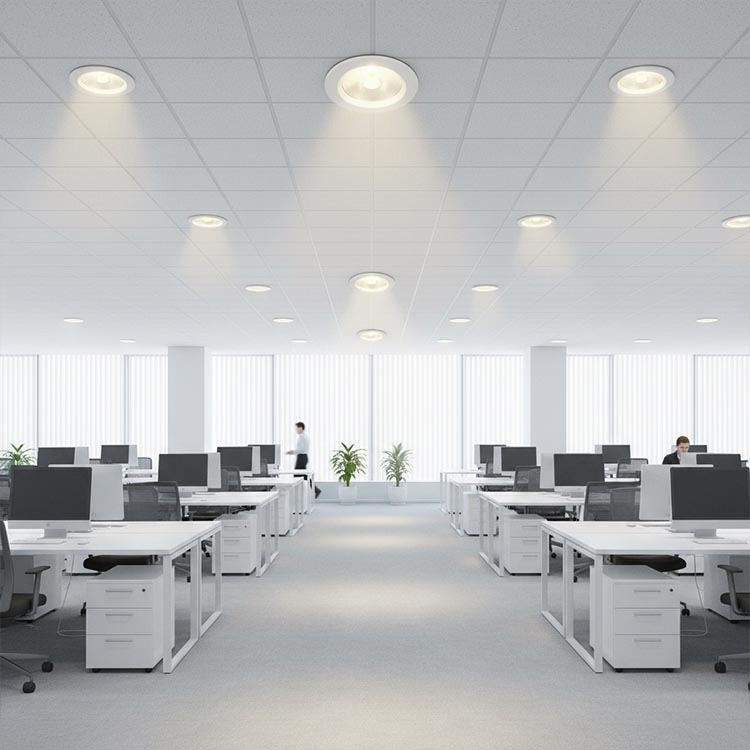
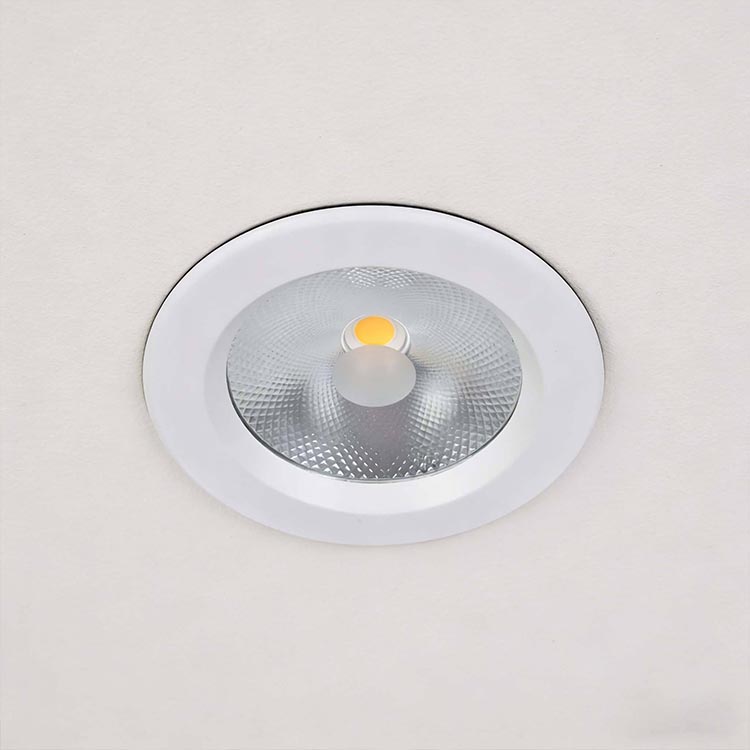
В офисах более безопасным ходом обычно является сочетание окружающих слоев с пониженной яркостью и жестко контролируемых зон задач или акцентов. На сайте компании Meagree это означает следующее Офисные встраиваемые светодиодные светильники и Антибликовые линейные огни решетки радиатора для длительных зрительных задач, чем броские высокопроизводительные диафрагмы, превращающие весь потолок в светящийся отвлекающий элемент.
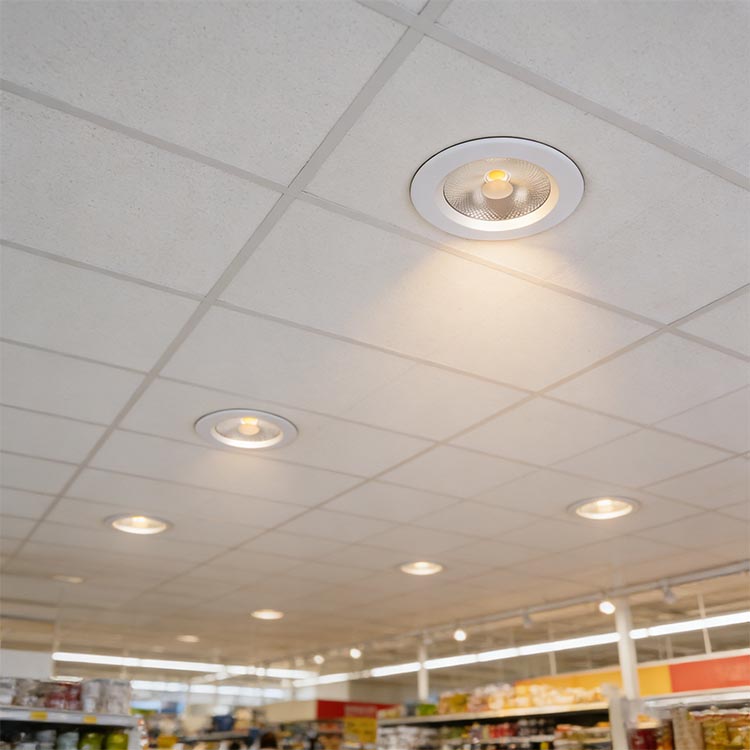
В розничной торговле эта ошибка меняется на противоположную. Команды часто выравнивают помещение с помощью равномерного окружающего освещения, а потом удивляются, почему товары премиум-класса выглядят мертвыми. Именно здесь Светодиодная подсветка дорожек для мерчандайзинга и изменения выкладки заслуживает внимания, поскольку регулируемое направление луча позволяет создавать иерархию, не заливая весь магазин бесполезной яркостью. Акцент - это не неэффективность. Плохое прицеливание - это неэффективность.
И вот еще одна суровая истина: перестраиваемый белый цвет не является бесплатным. В Национальной лаборатории Лоуренса Беркли Пример применения перестраиваемого белого светодиода FLEXLAB обнаружили, что визуальные и циркадные цели могут быть достигнуты с помощью настраиваемых светодиодов и дневного освещения, но в неосвещенных офисах внутри помещений соответствие циркадным критериям вместо визуальных критериев увеличивало потребление энергии на освещение от 11% до 42% в испытанных условиях. Однако в зонах с дневным освещением регулировка яркости дневного света не потребовала дополнительных затрат на освещение. Так что да, мне нравится настраиваемый белый цвет. Мне просто не нравится его сказочная версия.
Практичные технические рамки, в которых сбалансированы эстетика, комфорт и эффективность
Дизайн со слоями.
Если бы я писал эту спецификацию для скептически настроенного владельца, я бы не стал начинать с просьбы о “красивом освещении”. Я бы попросил контролируемую яркость, визуальную иерархию, регулировку яркости, проверенную фотометрию и последовательность ввода в эксплуатацию, которую кто-то действительно выполнит. Разве не с этим придется жить зданию?
Сравнение, которое действительно имеет значение
Приоритет дизайна
Дурная привычка, которую я все еще вижу.
Улучшение технических характеристик
Почему это работает в реальных проектах
Эстетика
Светящиеся потолки больших размеров без иерархии
Используйте окружающие, целевые и акцентные слои с четкими визуальными ролями
Комната выглядит намеренно, а не равномерно вымытой
Визуальный комфорт
“Заявления о ”низком уровне бликов" без логики расположения
Устанавливайте более глубокую защиту, диафрагмы с меньшей яркостью и реалистичные позиции для прицеливания
Комфорт обеспечивается контролем яркости и геометрией, а не этикетками
Энергоэффективность
Универсальное переключение
Использование датчиков занятости, реагирование на дневной свет, настройка сцен и ввод в эксплуатацию
Энергия падает, потому что система реагирует на фактическое использование
Офисное освещение
Плоское общее освещение повсюду
Встраиваемые светильники в паре с линейными светильниками с контролем слепимости
Более комфортный экран и более спокойные потолки
Освещение в розничной торговле
Подход, ориентированный только на окружающую среду
Используйте слои с фокусированными дорожками или прожекторами для иерархии товаров.
Лучшая контрастность при меньшем количестве неиспользованных люменов
Контролирует
Установите датчики и уходите
Калибровка, зонирование, тестирование и повторная настройка после заселения
“Умный” считается только тогда, когда он введен в эксплуатацию
Мой предпочтительный порядок принятия решений
Во-первых, определите визуальную задачу. Во-вторых, решите, что заслуживает акцента, а что должно остаться в тени. В-третьих, выберите оптику и яркость диафрагмы. В-четвертых, наложите слои управления. В-пятых, смоделируйте сцену в реальной комнате, если у проекта есть хоть какой-то бюджет. Почему команды меняют этот порядок на противоположный, а потом приходят в шок от результата?
Если проект ориентирован на офисы, я бы начал с дисциплинированной основы окружения, используя антибликовые светильники для зон циркуляции и вестибюлей и встраиваемые офисные светильники, Затем настройте ряды по периметру с помощью логики, реагирующей на дневной свет, а не грубой силы. Если в помещении много розничной торговли, я бы сделал окружающий слой более тихим и позволил бы трековое освещение занимайтесь продажами.
Грязный секрет заключается в следующем: многие “красивые” коммерческие помещения - это просто помещения с лучшим зонированием. Они не обязательно дороже. Они просто менее небрежны.
Вопросы и ответы
Что такое визуальный комфорт в коммерческом освещении?
Визуальный комфорт в коммерческом освещении - это состояние, при котором уровень освещенности, соотношение яркости, расположение лучей, экранирование, качество цвета и взаимодействие с дневным светом позволяют людям работать, делать покупки, ждать или перемещаться по помещению без постоянных бликов, усталости глаз, резкого контраста или ноющего ощущения, что помещение визуально недружелюбно. На практике это означает, что источник света не борется с глазами. Он поддерживает задачу, защищает использование экрана, сохраняет лица и материалы и позволяет избежать ярких апертур, которые доминируют над вниманием по неправильной причине.
Что такое энергоэффективное коммерческое освещение?
Энергоэффективное коммерческое освещение - это система освещения, которая обеспечивает необходимую видимость задач, визуальный комфорт и архитектурный эффект при наименьшем практическом количестве ватт, наименьшем количестве часов работы впустую и наиболее интеллектуальной логике управления, обычно благодаря светодиодной оптике, реагированию на дневной свет, датчику присутствия, настройке сцены и дисциплинированному вводу в эксплуатацию, а не только сокращению количества светильников. Поэтому я не определяю эффективность только по мощности. Я определяю ее по полезной освещенности, контролируемому времени работы и тому, сколько плохих яркостей удается избежать благодаря системе.
Как уменьшить блики при коммерческом освещении, чтобы помещение не выглядело тусклым?
Лучший способ уменьшить блики при коммерческом освещении - снизить яркость источника для глаз за счет более глубокого экранирования, лучшей оптики, более жесткого контроля луча, апертуры с меньшей яркостью, более разумного размещения светильников и калиброванного затемнения, потому что блики обычно являются проблемой яркости и геометрии, прежде чем проблемой яркости. Именно поэтому помещения с низким уровнем освещенности могут выглядеть эффектно. Контраст и фокус создают интерес, а голая яркость вызывает усталость.
Что такое управление освещением, реагирующее на дневной свет?
Системы управления освещением, реагирующие на дневной свет, - это сенсорные системы, которые автоматически регулируют яркость или переключают электрическое освещение, когда доступный дневной свет может взять на себя часть зрительной нагрузки, что позволяет сократить потери энергии, стабилизировать яркость вблизи фасадов и не допустить, чтобы зоны по периметру становились пещерно темными или абсурдно пересвеченными в течение дня. Когда они плохо откалиброваны, они раздражают жильцов. При правильном зонировании и вводе в эксплуатацию они являются одним из самых эффективных решений в коммерческих интерьерах.
Противоречат ли эстетика и энергоэффективность?
Эстетика и энергоэффективность не являются естественными врагами в коммерческом освещении; они конфликтуют только тогда, когда дизайн зависит от неконтролируемой яркости, чрезмерной плотности светильников, слабого зонирования или театральных сцен, которые работают на полную мощность весь день вместо того, чтобы использовать оптику, иерархию и элементы управления для создания того же визуального эффекта с меньшими затратами электроэнергии. Я бы пошел дальше: самые красивые коммерческие помещения обычно тратят меньше света, потому что их редактируют более тщательно.