Все еще не нашли подходящего решения для коммерческого освещения? Обратитесь к нашей проектной группе.
Если вы просмотрели веб-сайт или уже обсудили варианты с отделом продаж, но все еще нуждаетесь в более четком направлении, отправьте свой запрос здесь. Наша команда изучит ваше приложение, целевые спецификации и ограничения проекта, а затем ответит, предложив практический следующий шаг: что подходит, что нуждается в подтверждении, и самый быстрый путь к получению предложения и готовых файлов спецификации для вашего проекта.
Непосредственный анализ вашего приложения, спецификаций и ограничений проекта для получения более четкого предложения.
Соответствие продукции по углу излучения, CCT / CRI, драйверам, регулировке яркости и возможностям управления.
Поддержка проектной документации, включая листы разрезов, указания по подключению и файлы IES / LDT, где это возможно.
OEM / ODM руководство по этикеткам, упаковке, отделке корпуса и требованиям к частным торговым маркам.
Получить быструю консультацию по Коммерческое светодиодное освещение
Создан для дизайнеров, архитекторов, подрядчиков, оптовиков и покупателей проектов. Поделитесь своим приложением, количеством и целевыми спецификациями, чтобы получить прямые цены, рекомендации по срокам и поддержку в виде готовых спецификаций для проектов в США и ЕС.
Готовые опции: луч / оптика, цели CCT / CRI / SDCM, драйверы, регулировка яркости и интеграция элементов управления
Проектная документация: разрезы, чертежи и файлы IES / LDT, если таковые имеются
Поддержка OEM / ODM: частные маркировки SKU, упаковка, этикетки, руководства и маркировка со штрих-кодом
Стабильное качество при развертывании: повторяющиеся SKU, контрольные точки контроля качества и масштабируемые поставки для тендеров и повторных заказов
Подробные чертежи и файлы проекта предоставляются по запросу.
Как выбрать коммерческие светодиодные светильники в зависимости от высоты потолка
Высота потолка - первый, а не последний фильтр
Вот суровая правда. Большинство покупателей коммерческих светильников начинают с обратного.
Я вижу, как команды спорят о марках чипов, CCT, маркировке драйверов и цене за единицу продукции, игнорируя переменную, которая определяет распространение луча, освещенность пола, блики, расстояние между лампами и то, назовут ли установку “слишком тусклой” или “слишком резкой” через три дня после сдачи. Зачем нам делать вид, что свету не нужно преодолевать реальное расстояние?
Инженерно-осветительное общество определяет монтажную высоту как расстояние от пола или рабочей плоскости до светильника, или до плоскости потолка для встраиваемых светильников. Это важно, потому что “30-футовый потолок” часто является маркетинговым языком, в то время как “24-футовая монтажная высота под обрешеткой и службами” - это реальные исходные данные для проектирования. Согласно Определение высоты монтажа, данное Illuminating Engineering Society, Вы проектируете от опорной плоскости к светильнику, а не от брошюры брокера к своему эго.
И деньги не маленькие. Сайт Управление энергетической информации США По данным компании, на освещение пришлось около 17% потребления электроэнергии в коммерческих зданиях США в 2018 году, или 208 млрд кВт/ч, в то время как Отчет NREL о складском секторе говорит, что склады занимают 15,5% коммерческих площадей в США и потребляют 0,43 квадранта энергии в год. Вот почему я смеюсь, когда кто-то называет выбор светильника “решением на уровне отделки”. Оно влияет на эксплуатационные расходы в течение многих лет.
Если ваша проектная группа все еще просматривает типовые коммерческие решения для светодиодного освещения без сортировки по фактической монтажной высоте, вы еще не сделали покупку. Вы блуждаете.
Оглавление
Высотные диапазоны, которым я доверяю, когда на кону стоят реальные деньги
Я делаю это просто. Потом перехожу к конкретике.
Мое рабочее правило - сначала классифицировать работу по эффективной высоте установки, затем решить, нахожусь ли я на территории даунлайта, на территории low-bay или на территории настоящего high-bay; после этого я беспокоюсь об оптике, управлении и точном SKU. Руководство DOE FEMP от июня 2023 года полезно в данном случае, поскольку оно связывает промышленные светильники для низких пролетов от 5 000 до менее 10 000 люмен с яркостью не менее 143 лм/Вт, а промышленные светильники для высоких пролетов от 10 000 люмен и более с яркостью не менее 175 лм/Вт. Это лучшая отправная точка, чем такие расплывчатые слова, как “яркий” или “мощный”. См. Руководство DOE FEMP по коммерческим и промышленным светодиодным светильникам.
Эффективная монтажная высота
Что я обычно указываю в первую очередь
Типичное оптическое направление
Типичное применение
Что происходит, когда покупатели притворяются.
Менее 12 футов
Встраиваемые светильники, потолочные светильники, коммерческие светильники с низким уровнем бликов
Широкое, мягкое распределение
Офисы, коридоры, вестибюли, бутик-ритейл
Горячие точки, дискомфортные блики, жалобы на “слишком яркий свет прямо под светильником”.
12-20 футов
Низкопролетные или прочные коммерческие светильники
Широкий и средний контроль луча
Складские помещения, мастерские, подсобные помещения для розничной торговли, небольшие склады
Высокие пролеты, расположенные слишком низко, создают блики и некрасивые полосы
20-30 футов
Настоящие светодиодные заливные светильники
Средняя или более узкая оптика в зависимости от ширины прохода
Склады, спортивные залы, легкая промышленность
Светильники с низкой мощностью оставляют тусклые плоскости задач и темные края проходов
30-45 футов
Высокий отсек с более жесткой оптикой и более сильной стратегией управления
Более узкий луч, более сильная перфорация, макеты с поддержкой датчиков
Высокие распределительные центры, тяжелая промышленность
Слишком широкая оптика тратит свет на стеллажи, стены и пустой объем
Меньше 12 футов: перестаньте пытаться впихнуть складской ответ в офисный потолок
Здесь покупатели проявляют странное упрямство. Они хотят, чтобы во всем проекте участвовала одна семья крепежников.
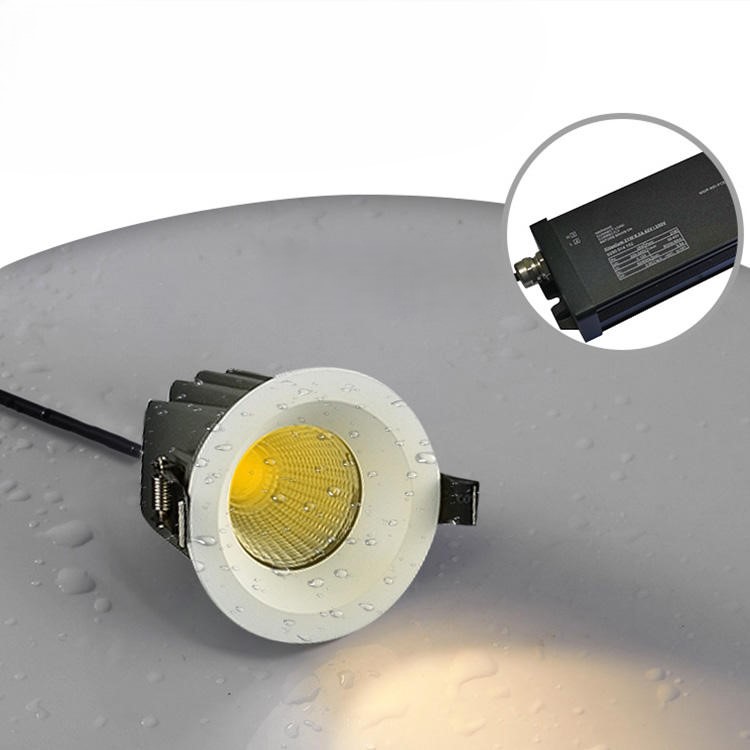
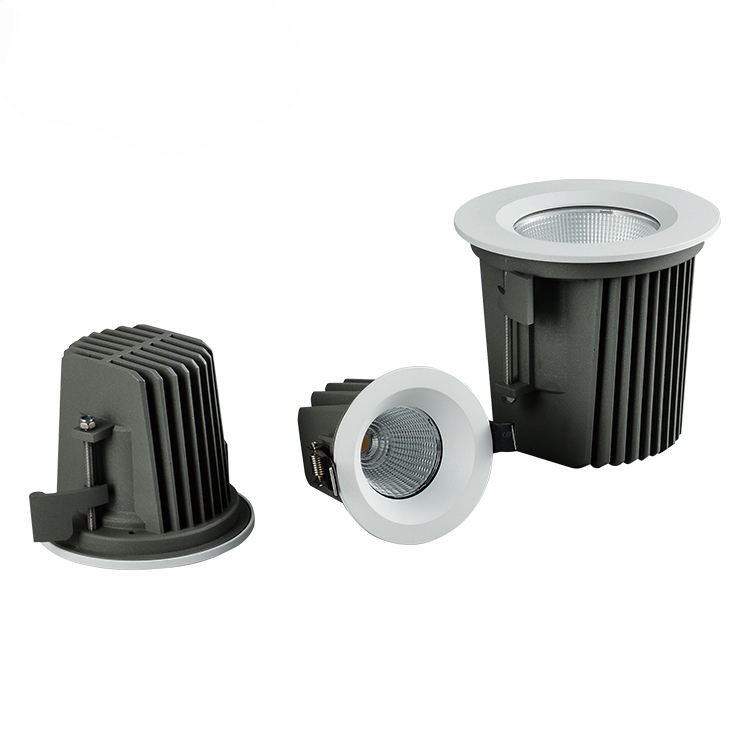
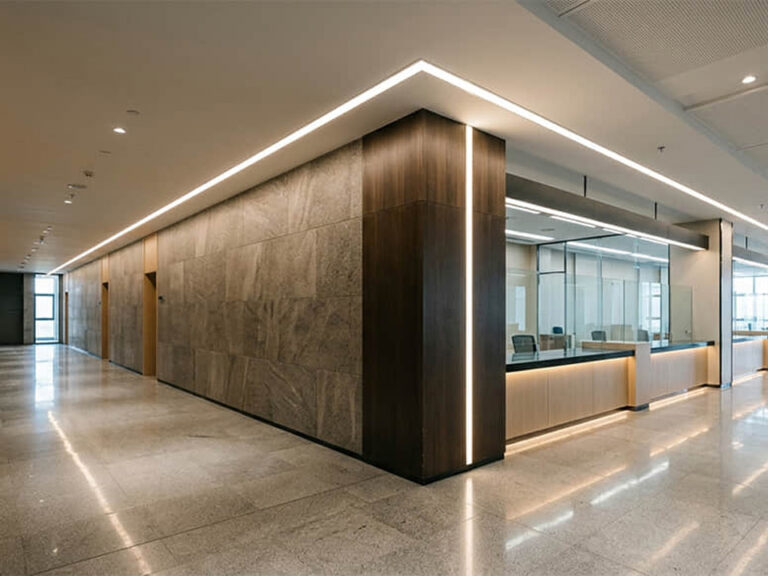
Но если ваш потолок находится на территории офиса, коридора, конференц-зала или холла, то встраиваемые или потолочные светильники с низким световым потолком обычно имеют больше смысла, чем светильники в стиле эркер. На вашем собственном сайте естественными внутренними продолжениями будут следующие Светодиодные светильники категория и Светильник для офиса и холла мощностью 20 Вт, Потому что эти страницы соответствуют проблеме комфорта на уровне глаз, которую создают низкие потолки.
От 12 до 20 футов: это опасная зона для ленивых особей.
Этот диапазон охватывает множество коммерческих помещений смешанного назначения: подсобные помещения, небольшие складские помещения, мастерские и подсобные помещения, которые слишком высоки для декоративных потолочных светильников, но слишком низки для агрессивной многоярусной оптики.
Я видел множество проектов, загубленных простой ошибкой: кто-то, услышав “освещение склада по высоте потолка”, сразу переходит к high bay, затем вешает узкий, жесткий светильник на высоте 15 футов и удивляется, когда пол превращается в чередующиеся белые круги и серые провалы. Хотите тупую версию? Хай-бэй, который технически можно установить, не всегда является визуально разумным.
От 20 до 30 футов: теперь вы находитесь на территории настоящей высотки.
Именно в этом месте фраза Высокий залив против низкого заливного освещения перестает быть SEO-пустышкой и становится реальным дизайнерским решением.
На такой высоте производительность на уровне пола становится неумолимой. Неправильный угол луча отбрасывает свет в верхние пустоты, неправильное расстояние между ними создает тусклые проходы, а неправильный набор люменов заставляет вас “исправлять” дизайн, указывая слишком большую мощность. Классификация DOE FEMP на низкопрофильные и высокопрофильные светильники полезна тем, что заставляет соблюдать дисциплину: как только вы оказываетесь на территории высокопрофильных светильников, вы говорите о 10 000 люменах и выше, а не о нарядных потолочных светильниках, претендующих на звание промышленных.
Выше 30 футов: оптика и управление имеют большее значение, чем бравада
Больше места. Больше ошибок.
Выше 30 футов меня перестают волновать прилагательные из брошюр и начинают волновать фотометрические характеристики, геометрия прохода, отражающая способность стойки, способ монтажа и логика управления. Именно здесь покупатели наконец-то понимают, что “лучшие светодиодные светильники для высоких потолков” - это ленивая фраза, потому что лучший светильник для 32-футового кросс-дока - это не лучший светильник для 32-футового торгового зала крупного магазина. Одинаковая высота. Разная работа. Так почему же ответ должен быть одинаковым?
Угол луча зависит от мощности, если известна высота
Это та часть, о которой многие продавцы умалчивают. Ваттэйдж - не герой.
Электрическая мощность говорит мне о том, сколько энергии потребляет светильник. Это не говорит мне о том, попадает ли свет туда, где работают люди, читаемы ли лица в проходах, не смотрит ли оператор погрузчика на блики при каждом проходе. Я предпочту правильную оптику мощностью 150 Вт, чем неправильный 200-ваттный грубиян, каждый раз.
Именно поэтому низкие потолки обычно подталкивают меня к более мягким, менее бликующим архитектурным решениям, а высокие потолки - к настоящим эркерным светильникам с более сфокусированным оптическим контролем. Если ваш проект включает в себя зоны, ориентированные на гостей или офисы, рядом с основной частью склада, ваша внутренняя структура связей должна отражать это разделение: держите индустриальный разговор отдельно от офисных и лобби страниц, таких как Светильник для офиса и холла мощностью 20 Вт, и заставляют читателей, увлекающихся закупками, переходить на такие страницы, как Услуги OEM/ODM коммерческого светодиодного освещения вместо того, чтобы сбрасывать всех на одну общую страницу категории.
Экономичный корпус больше, чем само приспособление
Светодиод помогает. Элементы управления завершают работу.
В документации NREL ComStock говорится, что меры по светодиодному освещению могут обеспечить 37,0% экономии электроэнергии на внутреннем освещении и 3,5% общей экономии энергии на объекте для всех коммерческих зданий в США. Это уже серьезный показатель. Но реальные данные Министерства энергетики еще менее вежливы: в Резюме кампании по освещению интерьера Сообщается о 77% ежегодной экономии электроэнергии на освещение на базе ВВС Неллис, 80% на River Trails District 26, 67% и более 1 млн кВт/ч ежегодной экономии на Avibank Manufacturing, а также 48% экономии при новом строительстве в University of Utah Health.
А дальше становится еще интереснее. Министерство энергетики также задокументировало, что в Ace Hardware, Добавление датчиков дневного света и датчиков присутствия с зонированием позволило снизить энергопотребление на 93%, в то время как по данным DOE руководство по применению датчика присутствия говорит, что системы управления освещением могут сократить потребление энергии на 10% - 90% в зависимости от того, как используется помещение. Так что нет, я не верю в старую версию о том, что высота потолка меняет только количество светильников. В серьезных помещениях высота также меняет значение диммирования, зонирования, датчиков и стратегии обслуживания.
Большинство плохих проектов терпят неудачу в закупках, а не в фотометрии
Эта часть скучна. Но именно поэтому она имеет значение.
Профессионалы не просто спрашивают: “Сколько люмен?”. Мы спрашиваем о файлах IES, деталях драйвера, согласованности бининга, совместимости управления, рейтингах IP или IK, где это уместно, согласованности между образцами и производством, а также отслеживаемости партии. Затем мы задаем еще более грубый вопрос: сможет ли фабрика сохранить то же оптическое поведение, когда через шесть месяцев поступит новый заказ?
Именно здесь ваши внутренние ссылки должны сыграть свою роль. Если покупатель все еще оценивает риски поставщика, направьте его на Процесс контроля качества светодиодного освещения и Услуги OEM/ODM коммерческого светодиодного освещения страницы, а не только миниатюры продуктов. На сайте Meagree эти две страницы являются самыми сильными спутниками для создания доверия к статье о выборе высоты, потому что они говорят о прослеживаемости, потоке тестирования, прототипировании и готовности проекта, а не делают вид, что единственная проблема - это стиль крепления.
Вопросы и ответы
Какая высота потолка требует многоярусного освещения?
Освещение высокого пролета обычно становится правильным коммерческим выбором, когда эффективная высота установки составляет около 20 футов или более, поскольку, когда светильник находится на таком расстоянии от плоскости задачи, вам требуются более высокие световые потоки, более жесткий оптический контроль и правила расположения, которые обычно не выдерживают низкопролетные светильники. В текущем руководстве по применению DOE FEMP промышленные светильники хай-бэй устанавливаются на уровне 10 000 люмен и выше, что является полезной контрольной точкой при закупках.
Можно ли использовать заливной светильник на 15-футовом потолке?
Да, на 15-футовом потолке физически можно установить светильник высокого заливного типа, но это, как правило, неправильная спецификация, если только оптика не необычайно широкая, а мощность тщательно снижена, поскольку на такой высоте больший риск представляют блики, горячие точки, плохая равномерность и жалобы людей, а не слабая освещенность. В большинстве смешанных коммерческих интерьеров я бы в первую очередь обратил внимание на светильники для низких пролетов или архитектурные светильники.
Как определить размеры складского освещения по высоте потолка?
Освещение склада по высоте потолка - это определение размеров, которое начинается с эффективной высоты установки, видимости задач, геометрии стеллажей, отражательной способности поверхности и целевых расстояний, а не с магической таблицы мощности, поэтому для двух 24-футовых складов могут потребоваться разные люменные пакеты, если один из них - открытый, а другой - высокостеллажный. Начните с высоты установки, затем проверьте фотометрические характеристики, а затем добавьте элементы управления в тех случаях, когда занятость персонала различна.
Что важнее - мощность или угол наклона луча?
Угол луча имеет большее значение, чем мощность, если вы знаете высоту установки, потому что ватты описывают только электрическую мощность, а оптика определяет, куда падает свет, равномерно ли освещен пол и насколько сильно бликуют работники от погрузчиков, лестниц, мезонинов или линий обзора кассы. Покупатели, которые сначала гонятся за мощностью, обычно платят за то, чтобы потом исправить равномерность освещения. Именно поэтому в руководстве МЭ по закупкам лампы с низким и высоким уровнем освещенности выделены в отдельные классы.
Ваши дальнейшие действия
Измерьте реальную высоту крепления. Затем будьте безжалостны.
Возьмите за основу измерение от пола до светильника, разделите здание на зоны вместо того, чтобы устанавливать везде одно семейство светильников, решите, к какой зоне относятся даунлайты, low bay или true high bay, и требуйте фотометрических доказательств, прежде чем утверждать любой заказ на поставку. Затем отправьте читателей на страницы, которые соответствуют их реальному решению: коммерческие решения для светодиодного освещения для широкого выбора категорий, Светодиодные светильники для применения на низких потолках, Услуги OEM/ODM коммерческого светодиодного освещения для частной или индивидуальной разработки, а также Процесс контроля качества светодиодного освещения когда риск поставщика имеет такое же значение, как и светоотдача. Именно так покупают профессионалы. Не угадывая.