팝업 양식

Still Not Seeing the Right Commercial Lighting Solution? Talk to Our Project Team.

If you have reviewed the website or already discussed options with sales but still need a clearer direction, send your request here. Our team will review your application, target specifications, and project constraints, then reply with a practical next step: what fits, what needs confirmation, and the fastest route to a quote and spec-ready files for your project.

  • Direct review of your application, specs, and project constraints for a clearer quote path.
  • Product matching across beam angle, CCT / CRI, drivers, dimming, and controls options.
  • Project documentation support, including cut sheets, wiring notes, and IES / LDT files where available.
  • OEM / ODM guidance for labels, packaging, housing finish, and private-brand requirements.
팝업 양식

Get a Fast Quote for Commercial LED Lighting

Built for designers, architects, contractors, wholesalers, and project buyers. Share your application, quantity, and target specifications to get factory-direct pricing, lead-time guidance, and spec-ready support for US and EU projects.

  • Quote-ready options: beam / optics, CCT / CRI / SDCM targets, drivers, dimming, and controls integration
  • Project documentation: cut sheets, drawings, and IES / LDT files where available
  • OEM / ODM support: private-label SKUs, packaging, labels, manuals, and barcode-ready labeling
  • Stable quality for rollouts: repeatable SKUs, QC checkpoints, and scalable supply for tenders and reorders
  • NDA available on request for detailed drawings and project files

Installation Options for Commercial Ceiling Lights Explained

The mount is the decision

Three words only.

I have watched too many commercial lighting teams argue about lumen packages, driver brands, 0–10V dimming, DALI-2 compatibility, CRI 80 versus CRI 90, and 3000K versus 4000K, while nobody in the room makes the first call that actually decides labor, ceiling damage, access panels, glare risk, and future maintenance: how the fixture is going to be installed.

Why does this still happen?

Here is the hard truth. Most failures in commercial ceiling lights do not start with bad chips or bad housings; they start when the installation method fights the ceiling condition. According to ENERGY STAR, lighting still accounts for 17% of all electricity consumed in U.S. commercial buildings, which means a sloppy mounting decision does not just look bad, it compounds operating cost for years. And code pressure is not theoretical anymore. As New York City’s LL88 page makes plain, covered buildings above 25,000 gross square feet face lighting power allowance and controls requirements, with a 2026 filing cycle still active for buildings not yet shown as compliant.

On Meagree’s site, the most relevant internal paths are not random product links. They already point the reader toward the right decision tree: the broad commercial LED lighting solutions page, the category-level LED ceiling lighting collection, the application-specific recessed linear LED light for office ceilings, the retrofit-friendly surface mounted LED ceiling downlight, the spec guide on choosing fixtures based on ceiling height, and the buying-risk page covering LED lighting quality control. That is a smarter internal-link structure than most manufacturers build.

Installation Options for Commercial Ceiling Lights Explained

Recessed, surface-mounted, or suspended? That is the whole fight

Bad assumptions spread.

When people search for installation options for commercial ceiling lights, they usually want a neat list, but I do not trust neat lists because a ceiling is not a catalog page; it is a physical constraint system made of plenum depth, slab condition, sprinkler conflicts, duct congestion, grid type, access rules, labor skill, and visual expectations.

So which option actually wins?

Recessed commercial ceiling lights

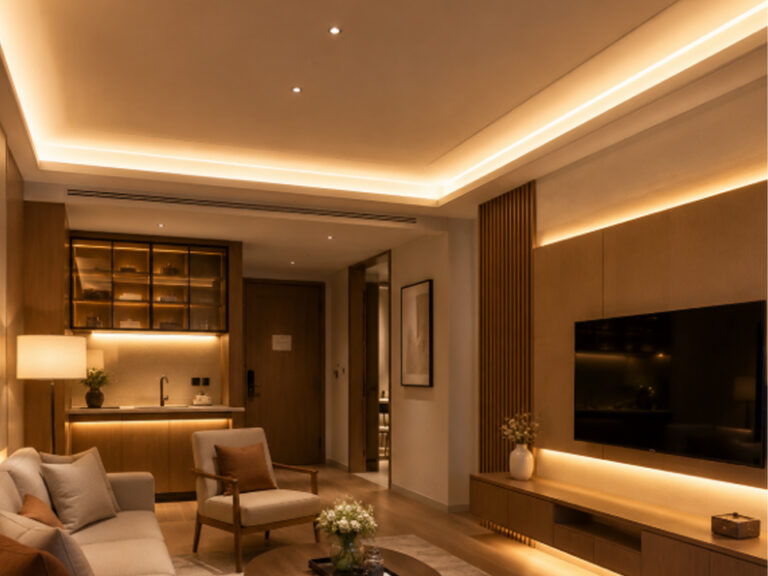
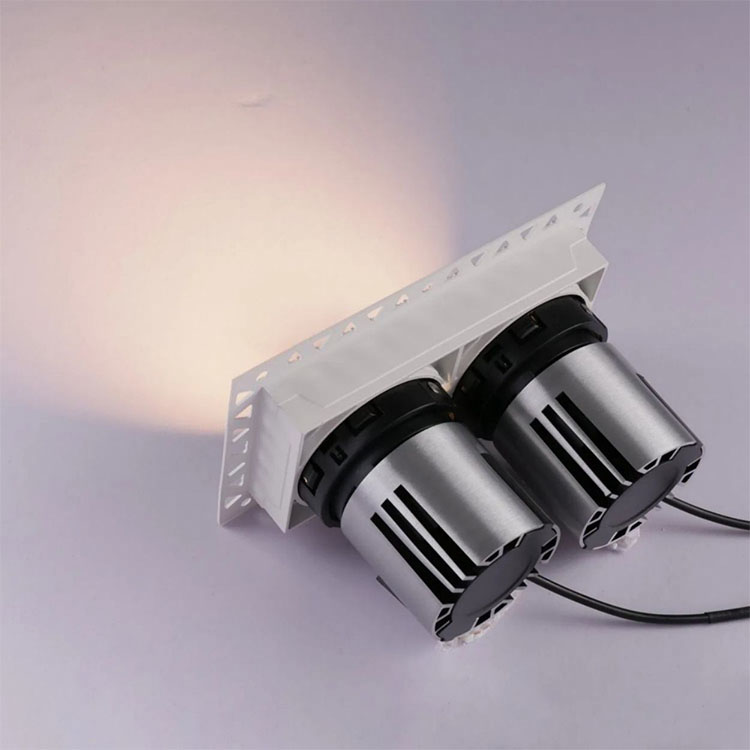
Recessed commercial ceiling lights sit inside the ceiling plane, which makes them the cleanest visual option when the architect wants the ceiling to disappear. They are usually the best fit for offices, meeting rooms, hospitality corridors, reception areas, and commercial ceiling lighting for drop ceilings, but only when the plenum can actually accept the housing, drivers, emergency packs, and control hardware without turning the MEP coordination meeting into a blood sport.

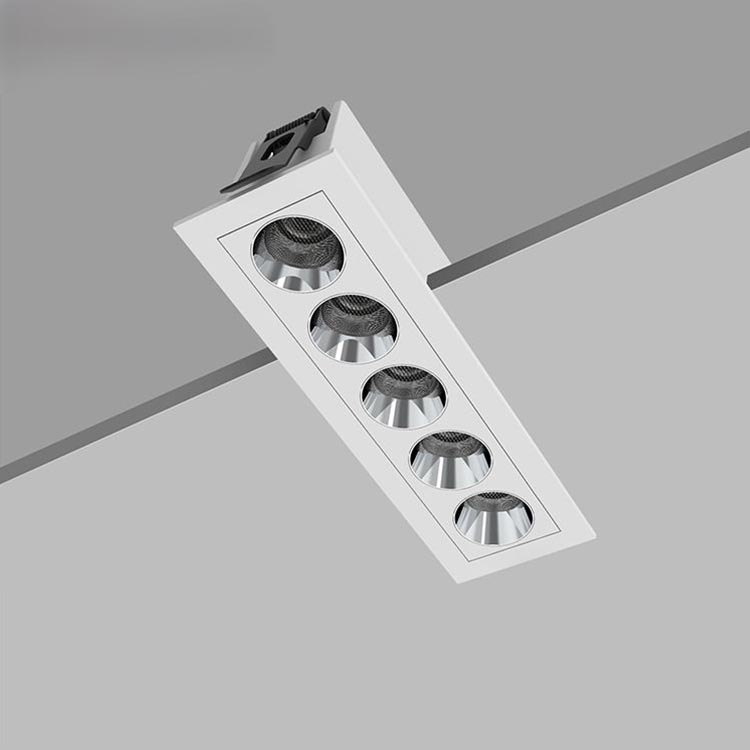
I like recessed fixtures when the ceiling plane matters and glare is under control. I do not like them when the project team pretends that every drop ceiling is automatically “easy.” It is not. T-grid systems can make access simple, yes, but gypsum ceilings, shallow plenums, concrete slabs, and late-stage value engineering can turn recessed installation into a schedule leak. On Meagree’s side, the LED ceiling lighting collection already frames this category around recessed, surface-mounted, trimless, round, and square formats, which is exactly how specifiers actually compare families, and the recessed linear LED light for office ceilings is the better internal link when the discussion shifts from single points of light to long, quiet office runs.

Surface mount commercial ceiling lights

Retrofits love this.

Surface mount commercial ceiling lights attach below the finished ceiling, which makes them brutally practical when you have shallow plenums, concrete structure, messy legacy wiring, or a client who wants lower labor exposure without opening half the ceiling.

Why do specifiers act embarrassed to say that out loud?

I see this mistake all the time: surface mount gets treated like a compromise product, when in many retrofit jobs it is the most rational answer. A good surface fixture can cut ceiling surgery, reduce coordination headaches, and still deliver clean brightness in corridors, back-of-house areas, meeting rooms, lobbies, and general office zones. The surface mounted LED ceiling downlight on Meagree’s site is a useful internal target here because it lets the article move from general method to a concrete example without breaking topic relevance.

Suspended commercial ceiling lights

This one gets underestimated.

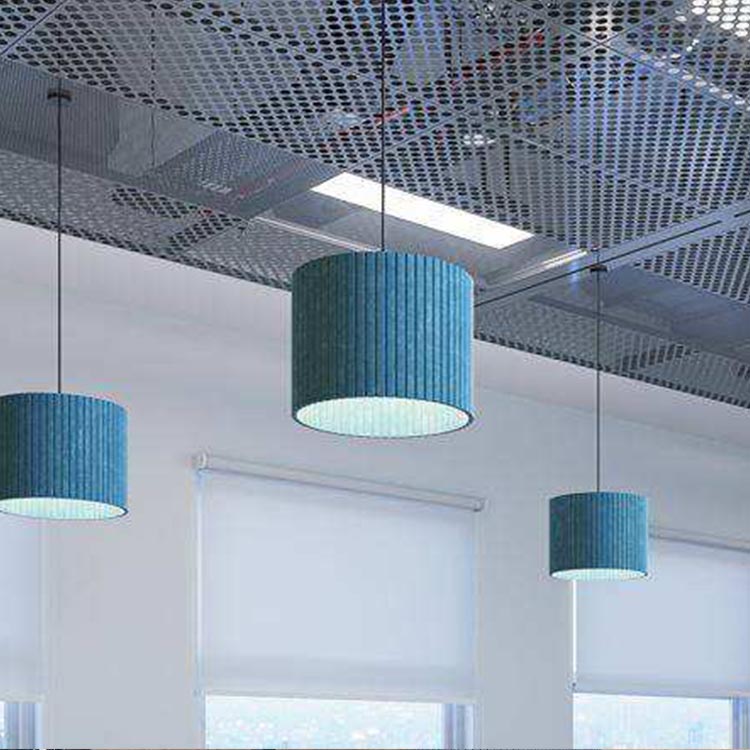
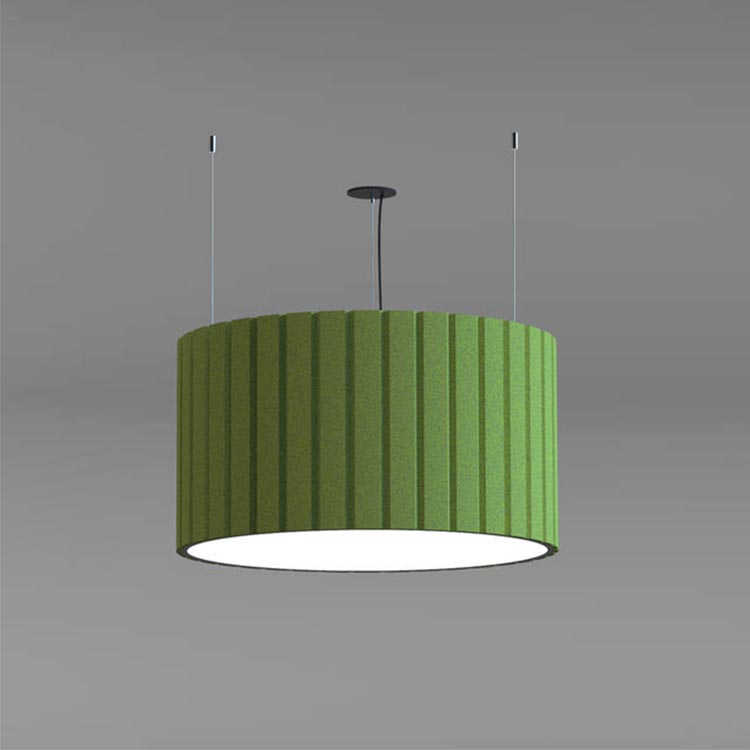
Suspended commercial ceiling lights hang below the structure or finished ceiling, and they are often the best answer in open offices, higher ceilings, adaptive reuse projects, exposed services, and places where vertical illumination and human comfort matter more than pretending the ceiling plane is sacred.

Would you rather have a “clean ceiling” or a room people can actually work in for eight hours?

This is where I get opinionated. Designers often default to recessed fixtures because renderings love them, but suspended systems can solve three problems at once: they bring light closer to the task plane, they improve perceived brightness on faces and vertical surfaces, and they reduce the need to blast the whole room with extra output just to make the space feel alive. That is why the internal article on how to choose commercial LED fixtures based on ceiling height matters so much. Mounting height is not an afterthought. It is the first filter.

The comparison table most buyers should build before asking for a quote

Specs bite.

I prefer putting the argument in a table because once you reduce the options to ceiling condition, labor exposure, and maintenance reality, the romantic nonsense disappears.

Installation methodBest application fitCeiling conditionLabor impactMain upside주요 위험
RecessedOffices, meeting rooms, hospitality corridors, premium retail ceilingsDrop ceilings, gypsum with enough plenum, coordinated MEP zones중간에서 높음Clean architectural finish and quieter visual fieldHidden conflicts with ducts, sprinklers, drivers, and access
Surface-mountedRetrofits, corridors, low plenum jobs, concrete slabs, back-of-houseShallow plenum, hard ceilings, legacy wiring conditionsLow to mediumFaster installation and less ceiling reworkCan look heavy if optics and proportions are poor
SuspendedOpen offices, exposed ceilings, higher mounting heights, mixed-use interiorsOpen structure, high slab, flexible commercial shellsMediumBetter task-plane delivery, stronger vertical light, easier service accessWrong suspension height can create glare or visual clutter

My blunt rule is simple: recessed wins on finish, surface mount wins on retrofit sanity, and suspended wins when ceiling height and human comfort start fighting each other.

Installation Options for Commercial Ceiling Lights Explained

What actually decides the best commercial ceiling light mounting option

Numbers matter.

I do not choose a mounting method by taste; I choose it by conflict count, and the highest-conflict projects are almost always the ones where somebody says, “We’ll sort out installation later,” which is corporate language for “We are about to pay twice.”

Why invite that?

The first filter is ceiling type: T-grid, gypsum board, exposed slab, or metal pan. The second is plenum depth. The third is control strategy, because 0–10V, DALI-2, occupancy sensors, emergency drivers, and daylight sensors all take space, coordination, and commissioning time. The fourth is maintenance access, which procurement teams love to ignore until year two. If you want a cleaner way to keep readers on-site, route them from this article into how to choose the right LED fixture types for commercial spaces and then into the LED lighting quality control process, because bad installation decisions and bad supplier control usually arrive together.

And here is the awkward part. “How to install commercial ceiling lights” is not only an electrical question. It is a documentation question. Who provides cut sheets? Who verifies cutout tolerances? Who confirms driver placement? Who checks compatibility before dimming complaints start? The OEM/ODM capabilities page is a legitimate internal link for that reason, especially if the buyer is not choosing an off-the-shelf shape and needs custom optics, housing, finish, or branding.

The field evidence most people ignore until the room is already built

This happens often.

A lot of lighting content online is basically polite brochure prose, but the real project record is much less flattering: dimming fails, controls drift, ceiling conflicts multiply, and the fixture that looked “minimal” in the rendering turns into the most expensive line item in the punch list.

So what does the evidence actually say?

A DOE GATEWAY case study on the TeamDKB office reported a total connected lighting load of 0.60 W/ft², below the 0.82 W/ft² baseline referenced to ASHRAE/IES 90.1-2013 for office spaces, while also noting vacancy controls, photosensor dimming, and manual dimming as part of the real performance picture. That matters because installation method and controls strategy are joined at the hip. A ceiling plan that ignores controls is not finished. It is fiction.

그리고 DOE CALiPER dimming report is even more blunt, and I appreciate that. It states there is no standard definition for “dimmable”, then lists the ugly results buyers already know too well: dead travel, pop-on, dropout, flashing, audible noise, and reduced product or dimmer reliability. That is exactly why I do not trust vague submittals that promise “smooth dimming” without naming the driver-control pairing.

And for readers who still think code only matters after procurement, look again at NYC LL88. Covered buildings above 25,000 gross square feet are not debating lighting upgrades as a style preference; they are dealing with legal compliance, controls, and filing exposure. In that environment, the best commercial ceiling light mounting options are the ones that survive both the site and the code path.

Where projects usually go wrong

The list is short.

But the damage is not.

The first mistake is forcing recessed fixtures into ceilings that do not want them. The second is using surface mount as a panic substitute after coordination fails, instead of designing for it early. The third is hanging suspended fixtures at fashionable heights instead of functional ones. The fourth is treating glare like a finishing issue, even though UGR, beam angle, shielding depth, and lens choice should have been discussed before the purchase order.

Would I call that harsh?

Yes. Because it is cheaper to be harsh in a blog post than polite in a failed install.

If your reader wants more proof that application fit beats brochure aesthetics, the commercial LED lighting case studies page is the right internal bridge for hospitality and retail credibility, while the LED ceiling lighting collection keeps the article anchored to the exact product family implied by the title.

Installation Options for Commercial Ceiling Lights Explained

자주 묻는 질문

What are the main installation options for commercial ceiling lights?

Commercial ceiling light installation usually falls into three categories: recessed fixtures that sit within the ceiling plane, surface-mounted fixtures that attach directly below it, and suspended fixtures that hang below the structure or finished ceiling, each chosen according to plenum depth, maintenance access, visual comfort, and architectural intent.

After that first definition, the real choice depends on whether the ceiling is a drop grid, gypsum board, exposed slab, or retrofit condition. I would not let anyone choose fixture shape before they answer those four conditions.

Which option works best for commercial ceiling lighting for drop ceilings?

Commercial ceiling lighting for drop ceilings usually works best with recessed fixtures because the grid creates a predictable ceiling plane, simplifies alignment, and often improves maintenance access, but that answer only holds when the plenum has room for housings, drivers, emergency gear, sensors, and any required control wiring.

If the plenum is too shallow or packed with services, surface mount can be the smarter call even in a suspended ceiling zone. That is the part spec sheets rarely admit.

Are surface mount commercial ceiling lights cheaper to install?

Surface mount commercial ceiling lights are often cheaper to install because they usually reduce ceiling cutting, framing adjustment, plenum coordination, and hidden labor, especially in retrofit jobs, concrete ceilings, and spaces with shallow voids, although total project cost still depends on controls, wiring reuse, and finish expectations.

I would not sell this as “always cheaper.” I would sell it as “usually less risky,” which is what serious buyers actually care about.

When should you use suspended commercial ceiling lights?

Suspended commercial ceiling lights are best used when the ceiling is high, the structure is exposed, vertical illumination matters, or the project needs better light delivery to desks, counters, and faces without over-lighting the full room volume, which makes them especially effective in open offices, mixed-use interiors, and adaptive reuse projects.

I like them most when recessed layouts are being forced for aesthetic vanity. Good suspended lighting often performs better and ages better.

How do you install commercial ceiling lights without creating glare problems?

Installing commercial ceiling lights without glare means selecting the right mounting method, beam angle, shielding depth, output level, and spacing for the room’s actual work plane and viewing angles, then matching those choices to the ceiling height, surface reflectance, control protocol, and commissioning method before purchase.

In plain English, do not try to fix glare after installation. By then, you are usually negotiating around the wrong fixture, not the wrong dimmer setting.

Your Next Steps

Do this first.

Map the job by ceiling type, plenum depth, mounting height, control protocol, and maintenance route before you compare fixture photos or unit prices. Then move readers through the site the smart way: start with the LED ceiling lighting collection, compare a surface mounted LED ceiling downlight 에 대한 recessed linear LED light for office ceilings, review how to choose commercial LED fixtures based on ceiling height, and close the loop with the LED lighting quality control process before you send an RFQ.

That sequence is not glamorous.

But it is how you stop a commercial ceiling lighting project from becoming an expensive ceiling repair project.

댓글
당신의 사랑을 공유하세요