まだ適切な商業照明ソリューションが見つかりませんか?当社のプロジェクトチームにご相談ください。.
ウェブサイトをご覧になった方、または営業担当とすでにオプションについて話し合った方で、より明確な方向性が必要な方は、こちらからリクエストをお送りください。私たちのチームは、あなたのアプリケーション、ターゲット仕様、およびプロジェクトの制約を確認し、実用的な次のステップ、つまり、あなたのプロジェクトに適合するもの、確認が必要なもの、および見積もりと仕様準備完了ファイルへの最短ルートを返信します。.

Long before an industrial luminaire receives its final order, an LED package may be approaching end-of-life standing, its vehicle driver supplier might be preparing a silent redesign, or its wireless-control stack might already be shedding assistance.
So why do suppliers still deal with discontinuation as a final stock issue?
I think the response is uneasy: several industrial lighting firms do not manage item lifecycles. They manage sales energy. An item continues to be “energetic” while orders get here, even when its expense of materials, conformity documents, tooling, photometry, or firmware reliances have ended up being delicate.
That strategy works– till it does not.
Effective product obsolescence management is the regulated process of recognizing lifecycle threats, preserving service connection, certifying replacements, connecting modifications, and retiring business LED products before part scarcities or conformity failings determine the timetable.
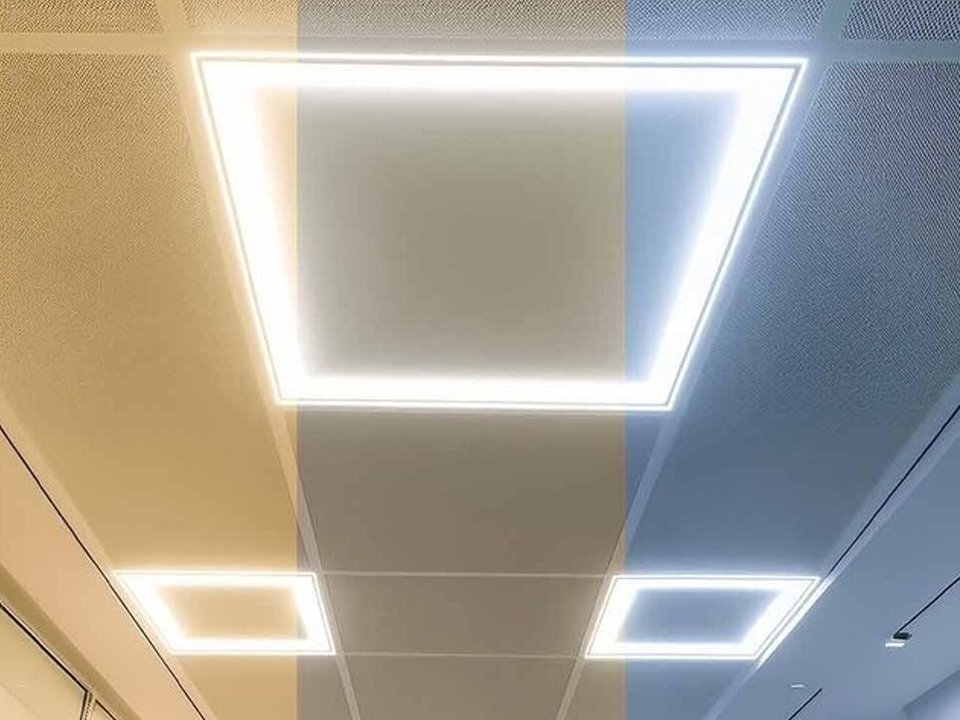
LED lifetime claims develop incorrect confidence. A luminaire marketed at L80 for 50,000 hours may still become commercially outdated within 5 years due to the fact that its interior parts do not share the same accessibility home window.
The most common triggers are:
The LED is rarely the entire story. A 15 W COB downlight may include a chip-on-board module, thermal user interface material, light weight aluminum warm sink, reflector, front glass, motorist, incurable block, springtimes, and several surfaces. Shed one confirmed part and the photometric, thermal, electric, or mechanical system can alter.
Think about an flexible 15 W COB LED limelight for museum screen illumination. Replacing its COB with an allegedly comparable plan can alter the light-emitting surface, beam of light cutoff, color-over-angle actions, R9 value, junction temperature level, and lux provided to an artefact. The substitute might fit. That does deficient equivalent.
Hard fact: form, fit, and nominal electrical power are weak substitution standards.
The U.S. Department of Power’s Illumination Market Characterization, published in 2024 utilizing a 2020 baseline, found that LEDs represented roughly 48% of mounted illumination devices throughout the residential and business industries. In 2010, the equivalent share had to do with 1%; in 2015, it was 8%.
That development changes the commercial lighting lifecycle formula. Manufacturers are no more sustaining a minimal population of early-generation items. They are supporting a vast installed base spread across offices, resorts, museums, retail stores, transportation centers, universities, and façades.
Scale amplifies variance.
A stopped 40 W put on hold straight LED light for office workstations is not merely one retired SKU. It may be one area of a constant run set up hundreds of times. A substitute with a slightly different diffuser, suspension spacing, outcome, or lowering curve can make a fixed installation visibly unequal.
That creates 3 liabilities:
Product obsolescence monitoring consequently needs to begin at platform degree, not after a private SKU stops marketing.
A traditional lifecycle standing– intro, development, maturity, decline– is also broad for LED product line monitoring. I like a reliance map that shows what can in fact eliminate the item.
For every single luminaire family members, document:
Then appoint possession. Procurement needs to not have the whole issue due to the fact that purchasing teams can source parts however can not choose whether a new LED plan protects TM-30 shade rendition, whether a driver modification impacts flicker, or whether an optic replacement revokes photometric data.
Engineering, product monitoring, top quality, compliance, sales, and after-sales solution all need called duties.
Who signs the retirement choice when everybody owns just one fragment?
A practical obsolescence danger score does not need expert system. It needs disciplined inputs.
I would certainly rack up each dependency from 1 to 5 throughout six measurements:
| Threat variable | Low-risk problem | Risky problem | Evidence to maintain |
|---|---|---|---|
| Vendor focus | 3 qualified sources | One resource or custom-made part | Approved-vendor listing |
| Lifecycle presence | Official notifications and roadmap | No PCN/EOL process | Provider arrangement |
| Alternative trouble | Drop-in, prequalified alternate | Thermal or optical redesign | Recognition report |
| Compliance effect | No certificate adjustment | Retesting or relabeling called for | Test-file matrix |
| Consumer direct exposure | Small standalone populace | Huge project-installed base | Installation register |
| Supply insurance coverage | More than 18 months | Less than lead time | Need and stock record |
Multiply possibility by business impact, then raise ball game where discovery is bad. A single-source motorist with a six-month lead time, no 2nd source, and countless mounted units ought to never ever lug the same standing as a changeable screw or typical cable gland.
Color-code the outcome:
Quit estimating. Now.
That three-word instruction will really feel readily hostile, however remaining to market an unpredictable item merely transforms a known supply problem into a future consumer disagreement.
A last-time buy serves when need is predictable, shelf life is acceptable, storage space problems are regulated, and the bought part will certainly not become technically or legitimately pointless.
Those problems are commonly missing.
Electrolytic capacitors age in storage. Moisture-sensitive LED bundles need regulated handling. Firmware-dependent drivers might depend on discontinued setup devices. A big stock of an old part can additionally hair cash money when clients migrate faster than projection.
Use 4 actions rather:
The alternate must be examined at system level. For an LED module, that can include:
Different short-lived electronics from long lasting mechanical components. A changeable motorist tray or LED engine prices much more during development, but it can prevent an entire light weight aluminum luminaire from becoming waste when a EUR12 control element goes away.
This is specifically appropriate to a 48 V slim magnetic track lighting platform, where rail geometry, adapters, power materials, control compatibility, and luminaire heads form one system. Adjustment a user interface thoughtlessly and the set up track comes to be restricted facilities.
Base the amount on installed-base failings, forecast demand, warranty commitments, legal assistance, storage loss, and alternative timing– out the sales group’s most hopeful projection.
A fundamental planning version is:
$$. Q _ LTB =( D_n+ S_n+ W_n) \ times( 1+ B)- I. $$
Where:
Release the final-order date, final-shipment date, replacement design, compatibility restrictions, guarantee position, solution horizon, and documentation-retention policy. “Discontinued” alone informs a contractor practically absolutely nothing.
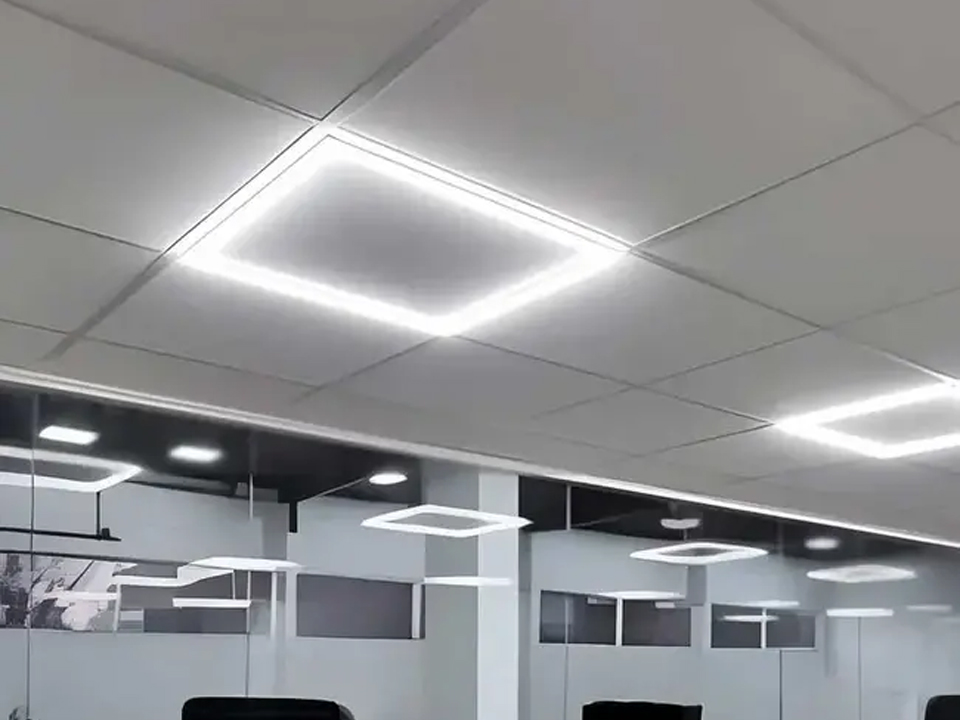
Regulation can out-of-date a style also when every part remains available.
Payment Guideline (EU) 2019/2020, appropriate from September 1, 2021, needs manufacturers of containing products to address the replaceability and end-of-life removal of light sources and different control equipment. It also calls for details describing whether substitute can be executed by an end user or qualified individual.
That matters for secured industrial luminaires, trimless setups, and proprietary incorporated modules. A 15 W trimless LED downlight for minimalist workplace insides might appear visually simple, yet substitute can disturb plasterwork, ceiling coatings, vehicle drivers, and installing frames. Solution gain access to should be treated as a layout demand, not an installation afterthought.
And conformity exposure prolongs past ecodesign.
In December 2024, Reuters reported that a Düsseldorf court bought the recall and destruction of particular Signify lighting products adhering to an LED license conflict involving Seoul Semiconductor. The reported penalty for infractions could reach EUR250,000; Symbolize challenged the position and said it was testing the licenses’ validity.
The lesson is candid: product availability can finish as a result of intellectual-property direct exposure, not just technical aging. Patent clearance, license standing, and area restrictions belong in the obsolescence register.
The 2024 International E-waste Display reported that the world generated 62 million tonnes of electronic waste in 2022, an 82% rise from 2010. Only 22.3% was documented as officially accumulated and recycled, while annual waste can get to 82 million tonnes by 2030.
Commercial illumination is not responsible for that whole number, naturally. However the information takes down a careless presumption: high-efficiency operation does not immediately make an integrated LED item eco audio.
A reliable luminaire can still be wasteful if:
Outside items deserve extra analysis. For an building LED wall surface washing machine made use of on façades, water ingress defense, gasket compression, cable glands, surge defense, finishing chemistry, mounting geometry, and shade consistency all impact the solution approach. A visually comparable replacement might develop a striped façade or fail its IP ranking after area adjustment.
Performance is not long life. It is one efficiency quality.
The best programs use recurring gates rather than emergency meetings.
Evaluation vendor notices, demand, margins, field failures, part condition, governing adjustments, patents, tooling condition, and alternating credentials every quarter. Risky items may call for regular monthly testimonial.
Use shared mechanical user interfaces, vehicle driver envelopes, optic sizes, and mounting systems while regulating changes with revision codes. System reuse should minimize danger– not spread out an undocumented adjustment across twenty SKUs.
Need providers to offer product-change notices, end-of-life notices, final-order windows, material-declaration updates, and traceability. A friendly sales connection is not a lifecycle arrangement.
Maintain authorized examples, photometric files, spectral data, thermal records, illustrations, firmware variations, labels, packaging art work, and expenses of materials. Or else, five years later on, nobody can show what “matching the original” means.
The follower needs to be certified while the original product is still steady. Awaiting sales to collapse eliminates discussing power and presses testing.
For offices, museums, resorts, and façades, specify backward-compatibility resistances for CCT, Duv, beam of light angle, lumen outcome, lowering, physical measurements, and surface. “3000 K” is not an adequate matching requirements.
A focused 90-day program can reveal a lot of the preventable risk.
The job is not extravagant. It is profitable.
A regimented process shields margin since emergency alternatives, expedited freight, repeated photometry, accreditation updates, task hold-ups, and client giving ins are costly. Those expenses are often spread throughout divisions, which is why weak obsolescence monitoring can look more affordable than it is.
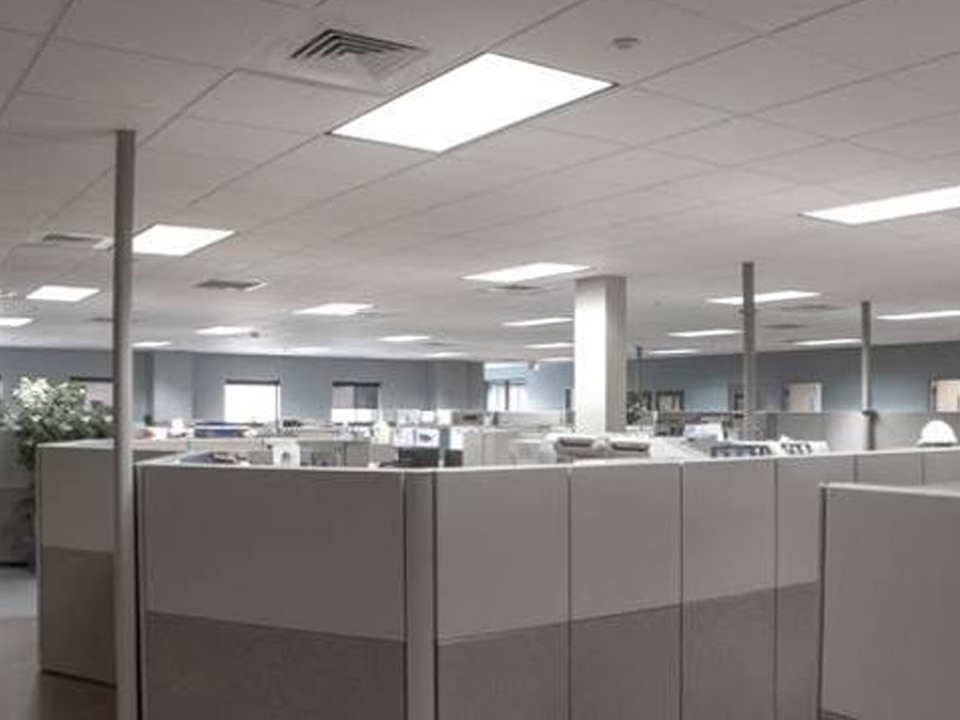
Item obsolescence administration is the structured procedure of surveillance LED plans, drivers, optics, controls, regulations, patents, tooling, and consumer demand so a producer can certify replacements, safe and secure solution inventory, move consumers, and retire commercial luminaires without unforeseen supply disturbances or unsupported installations.
It covers the total commercial LED product lifecycle, from very early distributor choice with final service assistance. The objective is connection with regulated technological, legal, monetary, and environmental danger.
An LED item needs to be terminated when its supply, conformity, support, or profitability threat goes beyond the defensible worth of maintaining it active, especially where single-source components, ending certifications, unavailable tooling, patent direct exposure, falling need, or an unserviceable installed base make proceeded sales commercially risky.
Reduced sales alone should not activate retired life. A low-volume item with solid margins and secure parts may continue to be feasible, while a prominent model with a ceased motorist and no tested alternate might call for an immediate quotation freeze.
The best digital element obsolescence approach integrates supplier-notice surveillance, multi-source style, authorized alternates, system-level recognition, demand forecasting, regulated last-time purchases, deducible alteration monitoring, and a recorded follower strategy, rather than relying upon brokers or presuming that a part with comparable electric rankings will carry out identically.
Broker acquisitions may solve a temporary lack yet present counterfeit, storage space, lot-traceability, and warranty risks. They ought to be an exemption taken care of by quality assurance, not a common sourcing design.
Substitute supply must cover forecast manufacturing, anticipated area failings, warranty obligations, legal solution periods, credentials lead time, and demand uncertainty, minus verified useful stock, while likewise representing part service life, storage controls, redesign timing, bring cost, and the probability that customers will move to a follower.
There is no liable global portion. A museum limelight needing close color matching may warrant much deeper books than a standalone energy luminaire with several suitable replacements.
An LED component can be changed without full retesting just when a documented engineering assessment confirms that electric loading, thermal behavior, optical result, color residential or commercial properties, safety and security ranges, EMC performance, control operation, mechanical fit, and relevant qualification conditions continue to be within the authorized item spec.
Also after that, targeted verification is usually reasonable. A small forward-voltage or light-emitting-surface modification can affect driver loading, heat, beam of light form, effectiveness, and photometric files.
Commercial lights buyers do not expect every SKU to continue to be readily available forever. They do anticipate straightforward lifecycle information, compatible substitutes, kept paperwork, and a solution plan that lasts longer than the launch campaign.
We ought to quit explaining obsolescence as regrettable distributor actions. It is a foreseeable operating condition.
Audit the 10 item households with the largest installed base. Identify every single-source LED, motorist, optic, control component, and proprietary mechanical interface. Then appoint one choice– qualify, purchase, redesign, migrate, or retire– to every red-status dependency.
If your next business project requires a functional system as opposed to another non reusable requirements, review the available flexible 18 W commercial LED downlight for reception-area illumination and discuss driver access, substitute components, alteration control, and long-lasting product assistance prior to approving the schedule.