まだ適切な商業照明ソリューションが見つかりませんか?当社のプロジェクトチームにご相談ください。.
ウェブサイトをご覧になった方、または営業担当とすでにオプションについて話し合った方で、より明確な方向性が必要な方は、こちらからリクエストをお送りください。私たちのチームは、あなたのアプリケーション、ターゲット仕様、およびプロジェクトの制約を確認し、実用的な次のステップ、つまり、あなたのプロジェクトに適合するもの、確認が必要なもの、および見積もりと仕様準備完了ファイルへの最短ルートを返信します。.

境界線において、入り口、フェンス、防犯カメラ、運転手、あるいはパトロール経路に向けて照射された、過度に明るいLED照明は、生徒の視界を妨げ、視覚的なコントラストを損ない、監視カメラの映像をぼやけさせ、光線のすぐ向こう側に立っている人物を隠してしまう可能性があります。.
結果として視界が大幅に狭くなるのなら、なぜわざわざさらに照明に費用をかける必要があるのでしょうか?
この質問は、照明市場における最も気まずい現実の一つを浮き彫りにしています。すなわち、安全・防犯照明の仕様とされるものの多くは、安全工学を装った単なる調達スケジュールに過ぎないということです。そこには、電力、ルーメン、支柱の高さ、そしておそらくIP等級が記載されている程度です。実際の美的課題が明確に定義されていることはほとんどありません。.
警備員は背景の中から顔を識別できるか? ヘッドライトを点灯させたトラックが進入してきた際、カメラは細部を鮮明に捉え続けられるか? フェンスに近づく人物は、光源を直接見ることができるか? 雨や霧、電圧変動、センサーの故障、レンズの汚れなどが発生した場合はどうなるか?
そうした懸念は、単なるルーメン数よりも重要だ。.
イルミネイティング・デザイン・ソサエティ(IDS)は、個人、住宅や商業施設、および設備を敵対的な行為から守る「防護照明」を、一般的な「防犯照明」とは区別しています。この区別は単なる言葉の遊びではありません。防護照明は、単に人がつまずかないようにするだけでなく、検知、評価、識別、対応、および証拠記録を支援するものでなければなりません。.
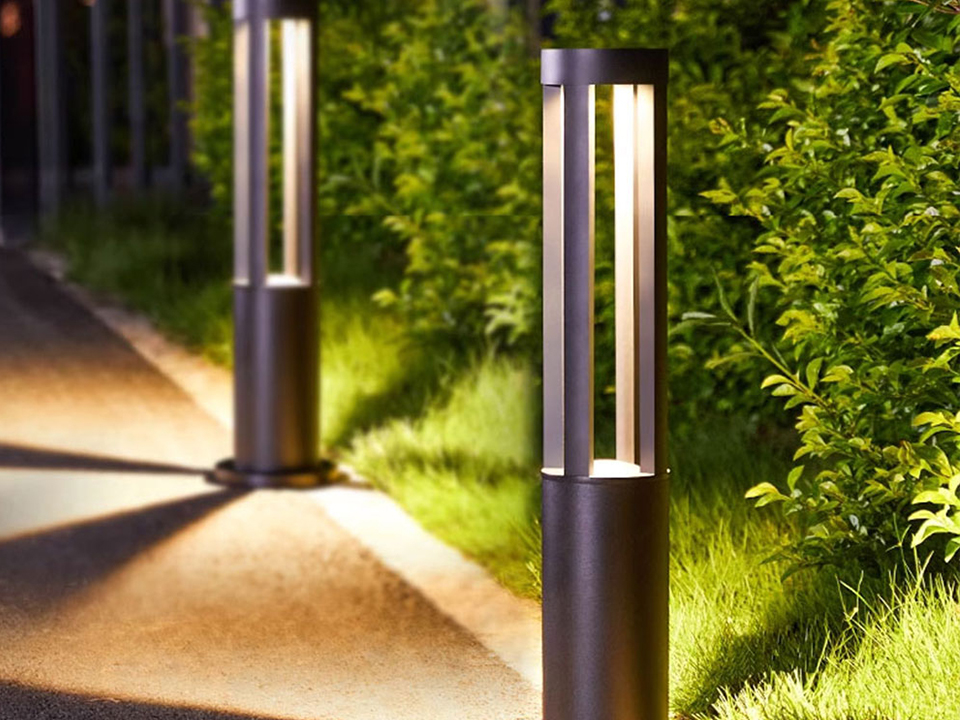
安全灯の主な機能は、対象物とその背景の間に実用的なコントラストを作り出すことです。対象物としては、顔、手、トラック、フェンスの隙間、荷物、武器、身分証明書、あるいは立ち入り禁止区域付近での不審な動きなどが挙げられます。.
照度だけでは、その結果を保証することはできません。.
ある設置場所では、地面の照度が30ルクスに達する一方で、周囲は事実上真っ暗なままになる場合があります。一方、別の設置場所では、水平方向の照度がわずか10ルクスにとどまるものの、垂直方向の十分な照明、適度な光源輝度、鮮明なカメラ画像、そして経路全体にわたる明確な視認性を実現できる場合があります。.
私は2番目のサイトを選びます。.
いつでも。.
水平照度は、地面やその他の水平面に到達する光の量を測定します。これは、歩行面、落下物、視覚的要素、車道、フェンス構造などを照らし出すのに役立ちます。垂直照度は、顔、胴体、車両の側面、身分証明書、フェンスの素材など、垂直な面に当たる光の量を測定します。.
保護団体は通常、その両方を求めています。.
より測定が難しい指標は輝度です。これは、光が表面で反射した後、目やカメラが感知する照度のことです。黒いコート、光沢のあるスチール製の玄関、湿ったアスファルト、白いコンクリートの壁、そして人間の顔は、同じ照度を受けていても、その見え方は大きく異なります。.
したがって、設計要領には「20メートルごとに150 Wの投光器を設置する」などと記載すべきではありません。“
何が、どこから、どのような運用状況下で、誰に対して表示される必要があるのかを明記すべきである。.
グレアとは、まぶしい光源や映像が、視認性や美的効果を妨げる現象のことです。屋外では、背景が暗く、照明器具とその周囲とのコントラストが極端になるため、この問題は特に深刻になりがちです。.
米国エネルギー省は、暗い環境に明るい光源が導入されるという事実から、屋外での発光は本質的に困難を伴うものであることを認識している。同省の研究では、光源の配置、輝度分布、輝度の経時変化、不気味な効果、および視聴者の視野内における光源の位置について検証を行っている。.
機能的には2種類あります。.
痛みのまぶしさ 人々に目を細めたり、視線をそらしたり、うつむいたり、あるいは疲労感を感じさせたりする。. ハンディキャップ・グロー 眼内で光を散乱させ、コントラストを直接低下させるため、周囲が明るく見えても、侵入者や障害物が見えにくくなる可能性がある。.
ビデオカメラにも固有の特性があります。構造内にむき出しのLEDがあると、露出補正、フレア、ブルーミング、ゴースト、ハイライトのクリッピング、あるいはシャドウ部のディテールの低下を引き起こす可能性があります。WDR(ワイドダイナミックレンジ)と呼ばれる機能はこれを改善しますが、だからといってレンズに直接フラッドランプを当てることを許されるわけではありません。.
厳しい現実ですが、負の光束を確保することは、通常、照明器具を1台追加するよりも価値があります。.
インテリア用の防眩製品に採用されている光学的な工夫が、このコンセプトを際立たせています。埋め込み式構造、開口部の調整、暗色のバッフル、反射板、レンズ、あるいはカットオフなどを用いることで、LEDシステムの最も明るい部分を視聴者が直接見ないようにしています。まったく同じ一般的な光学的な制御が、 8W アンチグレア型埋め込み式LEDスポットライト そして 6W アンチグレア型埋め込み式天井スポットライト.
これらの製品は、屋内の保護された環境での使用を想定しており、屋外に設置されるフェンス沿いの照明には適していません。しかし、そこから得られる教訓は応用可能です。つまり、光源を隠し、光束を形成し、ターゲットを照らし、視聴者の目に入らないよう光の角度を高く保つということです。.
照明器具の販売業者は、明るい照明器具があれば確実に犯罪を防止できるとよく主張しています。しかし、現場に応じた具体的な証拠がない限り、私はその主張を受け入れることはできません。.
FBIは2024年9月30日、第2四半期の全国調査において、建物関連犯罪が実際に13.1%減少したと報告した。これは背景情報としては有用だが、投光照明、防犯カメラ、フェンス、あるいは監視システムといったいずれかの対策が減少の原因となったことを示すものではない。 犯罪のマクロ統計では、個別の照明設備の改修が効果をもたらしたかどうかを裏付けることはできない。.
照明工事には、それ独自の計測作業が必要です。.
設置前後のフェンス警報、不正侵入、不審な徘徊、カメラによる識別失敗、誤検知、警備員の対応、メンテナンスに関する電話、苦情、エネルギー消費量、および事象への対応時間を追跡してください。そうしなければ、作業チームは実績ではなく、単なる認識を称賛することになってしまいます。.
CISAが2023年12月に発表した、宗教施設向けの物理的セキュリティに関するガイダンスでは、より広範な安全システムの一環として、フォトセル制御による夕暮れから夜明けまでの照明や、人感センサー付きLED照明の導入を推奨しています。 その理由として、照明は防犯カメラ、入退室管理、監視、対応措置、および経験豊富な従業員と連携して機能するものであり、単独の対策としては不十分であると説明されています。.
また、光漏れは、文書で明確に規定された業務上の制限事項となっています。2024年12月に米国エネルギー省が発表した環境報告書では、遮光型の照明器具の使用が求められ、発光源からのまぶしさが建物境界線において0.5フットキャンドル(約5.38ルクス)を超えてはならないと規定されています。 この数値は、普遍的な法的制限ではなく、作業上の問題に関する基準ですが、「光の放出を低減する」という曖昧な約束に代わって、測定可能な境界基準がどのように機能し得るかを示しています。“
国境とは、単一の視覚的雰囲気ではありません。それは、顧客、脅威、地形、料金、そしてカメラの要件がそれぞれ異なる一連のゾーンから成るものです。.
フェンス、壁面、生垣、排水路網、未開発地、およびアクセス道路は、住宅地を遠く離れた標識のような存在に変えてしまうことなく、動きを伝えるために、適切な統一感が必要である。.
ビーム幅が狭いと、明るい部分と暗い部分が交互に現れる縞模様が生じることがあります。ビーム幅が極端に広いと、光が許容範囲を超えて拡散してしまう可能性があります。それよりもはるかに優れた手法は、隣接する敷地への光漏れを防ぐための遮光措置を講じ、高角度方向の照度を低減させた、重なり合う非対称な配光です。.
歩行者や自動車は、明るい検問所に入る前に、目が慣れるまでの時間が必要です。暗い道路から出てくる車両の運転者は、目の高さに4000 KのLEDの光が壁のように差し込むような状況に直面すべきではありません。.
照明を徐々に明るくしてください。.
この技術は、前方視界を確保しつつ、車線の形状、標識、防護柵、歩行者、および指示を表示できるものでなければならない。明るい色の歩道や壁は表示の明るさを高めることができるが、光沢のある表面は降雨時に光沢による反射を引き起こす可能性がある。.
ここでは、垂直方向の照度が重要になります。警備員や監視カメラには、顔の情報、車体の情報、バッジ、カード、書類、ナンバープレート、ミラー、車両下部の点検箇所、そして手の動きなどの情報が必要です。.
光は、真上から照らすのではなく、適切な正面または横からの角度から当てる必要があります。高所に設置された単体の投光灯を使用すると、目のくぼみが強調されたり、帽子の影ができたり、顔の輪郭が暗くなったりする可能性があります。.
At covered checkpoints or guardhouse vestibules, a 10W high-CRI deep-recessed downlight can illustrate just how source regression and boosted colour rendition support visual convenience. Outside or semi-exterior release still requires confirmation of IP ranking, running temperature, rust resistance, and appropriate electric accreditation.
Illumination must be designed for the actual electronic camera setting, lens, shutter behaviour, WDR capability, sensor dimension, compression, structure rate, infrared setting, and analytic function.
Person discovery is not identification.
A cam might identify motion at 50 metres yet stop working to reveal a usable face at 8 metres due to the fact that the subject is backlit. Likewise, 850 nm infrared can offer solid monochrome response however may expose a faint red emitter glow, while 940 nm is much less visible to people and typically supplies much less cam level of sensitivity.
Noticeable and infrared systems have to be examined independently.
Interior lighting around security operations likewise influences boundary efficiency. Representations on monitors, excessively intense ceilings, low colour integrity, and adjustment differences in between indoor and exterior areas can reduce evaluation.
A 20W recessed linear LED light for office ceilings may match a control-room or guard-office lighting principle where broad, orderly lighting is required. A 12W LED track limelight can support a sheltered examination counter or equipment-check location where directional change works.
Yet neither should exist as an outdoor boundary luminaire without documented outside ratings. Marketing group does not override design proof.
The following worths are preliminary style bands, not universal code demands. Hazard level, electronic camera modern technology, ecological regulation, regional regulations, accessibility rate, surface reflectance, and the appropriate IES or authority requirements need to establish the last targets.
| Safety zone | Key visual task | Preliminary lighting target | Glare-control concern | Advised control reasoning |
|---|---|---|---|---|
| Remote fence line | Detect movement and fence disturbance | 2– 10 lux horizontal; beneficial upright light on fence aircraft | Very high; prevent straight resource views and off-site spill | Reduced continual degree with verified event-based rise |
| Pedestrian technique | Identify individuals, obstacles, indicators, and instructions | 5– 20 lux horizontal; 5– 15 lux upright | High; prevent eye-level illumination | Photocell plus set up dimming |
| Car method | Reveal lanes, barriers, pedestrians, and lorry type | 10– 30 lux straight | Extremely high for drivers | Gradual shift with zoned activation |
| Safety entrance | Recognize faces, badges, hands, and lorry information | 20– 50 lux horizontal; 10– 30 lux vertical | High; use cross-lighting and securing | Continuous during staffed hours; decreased standby degree otherwise |
| Electronic camera recognition point | Generate evidentiary images | Camera-specific vertical lighting verified by tape-recorded footage | Severe; no noticeable source in camera structure | Linked to video camera profiles, WDR setups, and occasion rules |
| Guardhouse interior | Check out documents and examine monitors | 200– 500 lux relying on job | Control reflections and adaptation | Tenancy control with separate monitor-area dimming |
| Home limit near homes | Maintain safety and security without nuisance | Most affordable level that still fulfills the task | Extreme; confirm vertical spill at border | Time limit dimming, protecting, and locked aiming |
Harmony issues as much as typical illuminance. A site with approximately 20 lux and a minimum of 1 lux has a severe dark void, despite the fact that the typical looks respectable in a sales discussion.
For frequently observed pedestrian and gate zones, a maximum-to-minimum uniformity ratio around 4:1 or better is a practical style passion where the geometry allows it. The final need ought to still be based on the application and regulating requirement.
Do not puzzle lumen result with resource illumination. A big luminous aperture, diffusing optic, recessed LED component, several lower-output luminaires, or indirect element can create the called for illumination with lower noticeable intensity than a compact, revealed high-power selection.
Tiny sources look fierce.
This is one reason poorly secured LED floodlights can really feel much more aggressive than older luminaires, also at comparable determined illuminance.
Mounting elevation can aid, however elevation alone is not a remedy. A high floodlight intended considerably across a site might still place extreme light in the eyes of guards, chauffeurs, neighbors, or camera lenses.
Review the setup from actual perspectives:
If the LED source is clearly visible from a normal seeing position, the design is entitled to review.
“60-degree beam” tells us extremely little about off-axis intensity, cutoff, spill, or high-angle glow.
Request LM-79 records and IES or LDT photometric files. Design the luminaires at the recommended mounting elevation, tilt, turning, problem, and result. Review straight illuminance, upright illuminance, uniformity, boundary spill, and made observer views.
Pest ratings– Backlight, Uplight, and Glow– can aid contrast outside luminaires. Yet they are equipment-level indicators, not complete evidence that a completed setup will certainly fit or responsible. The IES itself has gone over both their extensive use and their restrictions.
A great insect score can not rescue poor intending.
A dark website including one great entrance develops an adjustment problem. The eye and video camera subject for the brilliant area, leaving every little thing outside it challenging to assess.
Utilize a low, controlled background level along the strategy and border. Then add moderate task illumination at eviction. This commonly generates far better acknowledgment than one high-output luminaire blasting the checkpoint.
Wet sidewalk, glass guardhouses, stainless-steel obstacles, white cladding, number plates, and reflective website traffic signs can all become second glare resources.
Version reflectance where possible. Throughout commissioning, test the website after rain or damp representative surface areas intentionally. Dry-night testing alone is insufficient.
The careless spec is “5000 K for optimal protection.”
I differ.
Greater correlated colour temperature level can appear raw and might increase short-wavelength web content, but colour temperature level alone does not determine visibility. Range, optical circulation, colour making, target reflectance, video camera response, ambient conditions, and adjustment all matter.
For lots of commercial borders, 3000 K to 4000 K is a defensible beginning range. Usage 4000 K where colour discrimination and cam efficiency sustain it. Usage warmer light where environmental level of sensitivity, close-by homes, design, or lower noticeable harshness issues.
Do not acquire a colour temperature level. Acquisition an evaluated aesthetic outcome.
Exterior safety lights stops working in ways that sales brochures often tend to leave out.
Water gets in cord glands. Motorists overheat. Salt-laden NaCl aerosols rust fasteners. Industrial H TWO S assaults materials. Insects obstruct sensing units. Dust reduces light outcome. Branches trigger movement detection. Surge events damages electronic devices. Mischief-makers change intending. Specialists replace optics that share the exact same housing yet produce a completely various circulation.
A defensible exterior specification should address:
Access protection: IP65 may be sufficient in some protected positions, while revealed wash-down, seaside, or extreme weather condition places may justify IP66 or higher.
Effect resistance: Take into consideration IK08, IK09, or IK10 where criminal damage, tossed items, tools, or car contact are credible.
Rise security: Specify the anticipated short-term atmosphere and security level instead of writing “rise secured.” Pole-mounted systems in exposed areas might need coordinated protection at the panel, branch circuit, and luminaire.
Temperature: Verify motorist, battery, sensing unit, and LED operation at the site’s minimum and maximum temperatures. A luminaire’s ambient-temperature ranking is not ornamental information.
Deterioration: Specify covering, fasteners, braces, and salt-spray efficiency for marine, chemical, wastewater, mining, and heavy-industrial websites.
Maintainability: Motorists, sensing units, optics, gaskets, and surge devices must be replaceable without taking down the whole post or waiting months for an exclusive component.
Documents: Demand photometric data, electric information, thermal restrictions, wiring diagrams, placing guidelines, certificates, dimming procedures, spare-part policy, and examination reports for the exact ordered setup.
The phrase “or equivalent” has destroyed several illumination jobs because equivalence was never defined.
CISA’s recommendation for photocell and motion-activated LED illumination mirrors a split approach, yet sensors should be engineered thoroughly. A motion floodlight that blinks at every animal, branch, truck outside the fence, or spot of moving rain can end up being operational noise.
And drivers learn to disregard noise.
A much better series may make use of a constant reduced level of 10% to 30%, adhered to by a smooth boost when a validated event occurs. Confirmation can originate from 2 modern technologies: video analytics plus microwave discovery, fence sensing unit plus thermal video camera, or access-control event plus automobile detection.
Sudden changing should be evaluated for video cameras and individuals. A quick jump from darkness to full output can cause short-lived overexposure before the camera adapts. A one- to five-second ramp may work better, although the appropriate reaction relies on the threat version.
Controls needs to additionally record:
DALI-2, D4i, 0– 10 V, relay, cordless mesh, or exclusive controls can all work. The method matters less than dependability, cybersecurity, diagnostics, replacement accessibility, and clear failing practices.
What happens when interactions stop working?
That sentence belongs in every security-lighting control specification.
A photometric computation forecasts efficiency. Appointing confirms it.
I would not approve a risky boundary from desktop computer computations alone. The completed system ought to be examined at night with individuals, cams, lorries, barriers, attires, indicators, and operating treatments that will in fact be used.
The U.S. Division of Power’s 2024 study symposium highlighted post-occupancy analysis and the need to translate complex lights performance through the experience of actual customers, not estimations alone.
Test at minimum:
Conserve sample video footage. Tape meter analyses. Photograph fixture intending. Lock flexible braces after approval. Shop the final control setup and the as-built photometric version.
After that retest.
Dirt, plants, substitute items, repainting, building and construction, cam modifications, and component activity can quietly ruin efficiency. DOE field research study has likewise analyzed luminaire dust depreciation in outside LED tasks, reinforcing why maintenance presumptions must be validated as opposed to replicated blindly.
Boundary safety and security illumination is a coordinated outside lighting system that makes limits, method routes, entrances, encounters, automobiles, and challenges visible to individuals and cams while managing glare, spill light, darkness, energy usage, and undesirable illumination past the secured building line.
It generally combines border illumination, gateway illumination, pedestrian and car approach lights, video camera illumination, controls, emergency situation power factors to consider, and measurable maintenance requirements. It needs to be created from a threat analysis and visual-task evaluation as opposed to a common pole-spacing guideline.
Anti-glare protection illumination is external lighting engineered so the visitor gets helpful light from surface areas and targets, not an extreme view of the LED source, using securing, optical cutoffs, recessed emitters, mindful intending, installing elevation, lower luminance, and controlled light beam distribution.
The objective is not to make a site appearance dim. It is to protect contrast and visual adjustment. A correctly regulated 30 W luminaire might supply more useful information than a terribly aimed 150 W flood lamp.
The most effective colour temperature for most boundary protection lights is typically a restrained 3000 K to 4000 K variety, chosen along with video camera level of sensitivity, regional rules, ecological conditions, and product colours rather than picked by the simplistic assumption that bluer or cooler light immediately improves safety.
A 4000 K system may fit gateways needing colour discrimination, while 3000 K might minimize viewed harshness near houses or ecologically delicate areas. Validate performance via a night mock-up making use of the real electronic camera and target products.
Safety lights must remain on all evening just where continuous occupancy, hazard level, electronic camera requirements, or action procedures justify it; many websites carry out much better with a reduced, uniform base level that rises via set up or sensor-driven controls when individuals, vehicles, or validated occasions enter specified areas.
Continuous full-output illumination may lose power, rise spill light, increase grievances, and create too much comparison. The standby level should still support cams and secure movement, while sharp levels should turn on reliably and prevent momentary overexposure.
A security illumination photometric plan is a computed map revealing horizontal and upright illuminance, harmony, spill light, intending, installing positions, and anticipated efficiency at limits, entrances, camera sights, and viewer areas before setup, allowing designers to discover glare and dark gaps prior to money is spent.
The plan should use the precise IES or LDT apply for each suggested luminaire. It should likewise identify calculation-plane heights, surface reflectance, lumen-maintenance assumptions, outcome settings, tilt angles, limit limits, and the areas where area measurements will be taken throughout appointing.
Do not approve boundary security lighting from power level, lumen result, item photographs, or a distributor’s insurance claim that the component is “anti-glare.”
Request the photometric documents. Define horizontal and upright targets. Call the cameras. Establish property-line limitations. Specify IP, IK, surge, rust, CCT, CRI, controls, and failure behaviour. After that call for a night mock-up or documented appointing process.
Send out the project group a site strategy revealing fence geometry, installing restrictions, cam settings, gate operations, nearby roadways, adjacent homes, target light degrees, voltage, control requirements, and ecological problems.
Better safety and security lights is not brighter all over.
It shows up where it matters, dark where it does not, measurable at the boundary, suitable with the video cameras, maintainable by the proprietor, and difficult for a burglar to make use of.