Sehen Sie immer noch nicht die richtige Beleuchtungslösung für Ihr Unternehmen? Sprechen Sie mit unserem Projektteam.
Wenn Sie sich die Website angesehen oder bereits Optionen mit dem Vertrieb besprochen haben, aber noch eine klarere Richtung benötigen, senden Sie Ihre Anfrage hier. Unser Team wird Ihre Anwendung, Zielspezifikationen und Projektbeschränkungen prüfen und Ihnen dann einen praktischen Vorschlag für den nächsten Schritt unterbreiten: was passt, was muss bestätigt werden, und wie kommen Sie am schnellsten zu einem Angebot und zu spezifizierbaren Dateien für Ihr Projekt.
Direkte Prüfung Ihres Antrags, Ihrer Spezifikationen und Projektbeschränkungen für einen klareren Angebotsweg.
Produktabstimmung in Bezug auf Abstrahlwinkel, CCT/CRI, Treiber, Dimm- und Steuerungsoptionen.
Unterstützung bei der Projektdokumentation, einschließlich Schnittzeichnungen, Verdrahtungsnotizen und IES/LDT-Dateien, sofern verfügbar.
OEM / ODM Beratung für Etiketten, Verpackungen, Gehäuseoberflächen und Eigenmarkenanforderungen.
Erhalten Sie ein schnelles Angebot für kommerzielle LED-Beleuchtung
Entwickelt für Designer, Architekten, Bauunternehmer, Großhändler und Projekteinkäufer. Teilen Sie uns Ihre Anwendungs-, Mengen- und Zielspezifikationen mit, um Direktpreise, Vorlaufzeiten und Unterstützung bei Projekten in den USA und der EU zu erhalten.
Wie man die richtigen LED-Leuchtentypen für gewerbliche Räume auswählt
Der teure Fehler, den fast jeder macht
Beginnen Sie stattdessen hier.
Ich habe zu viele Projekte beobachtet, bei denen eine Leuchte ausgewählt wurde, weil der Rendering sauber aussah, nur um am Ende mit verwaschener Werbung, Blendung im Büro, hässlichen Wellen an den Wänden und Wartungsteams zu enden, die den falschen Treiber in der falschen Decke auswechseln mussten, weil niemand die langweiligen Fragen früh genug stellte. Warum entscheiden sich Einkäufer immer noch für die Form der Leuchten, bevor sie sich für die Aufgabe entscheiden, die die Leuchte eigentlich erfüllen soll?
Die harte Wahrheit ist einfach: Gewerbliche LED-Beleuchtungen sollten nach Aufgabe, Montagehöhe, Lichtlenkung, Blendwirkung, Steuerungsstrategie und Wartungsfreundlichkeit ausgewählt werden.. Auch die U.S. General Services Administration's LED Lighting and Controls Guidance for Federal Buildings sagt, dass die Auswahl des Systems mit den Anforderungen der Vorschriften und der Eignung für die Anwendung beginnen sollte, nicht mit der Ästhetik, während die DOEs Entscheidung vom März 2024 zu ANSI/ASHRAE/IES 90.1-2022 stellte fest, dass die neue Norm die Energieeffizienz von Gewerbegebäuden gegenüber der vorherigen anerkannten Ausgabe verbessert. Das ist keine Frage des Stimmungsbarometers. Das ist eine Frage der Spezifikation.
Wenn Sie die Optionen auf der Website von Meagree vergleichen, würde ich mit dem breiteren Angebot beginnen kommerzielle LED-Beleuchtung für Büro-, Einzelhandels- und Gaststättenprojekte und schränken Sie dann die Auswahl nach Anwendungen ein, anstatt so zu tun, als ob eine Leuchtenfamilie für alle Aufgaben geeignet wäre.
Inhaltsübersicht
Passen Sie das Gerät an die Aufgabe an, nicht an die Raumbezeichnung
Büroräume und Konferenzräume
Die Einheitlichkeit gewinnt.
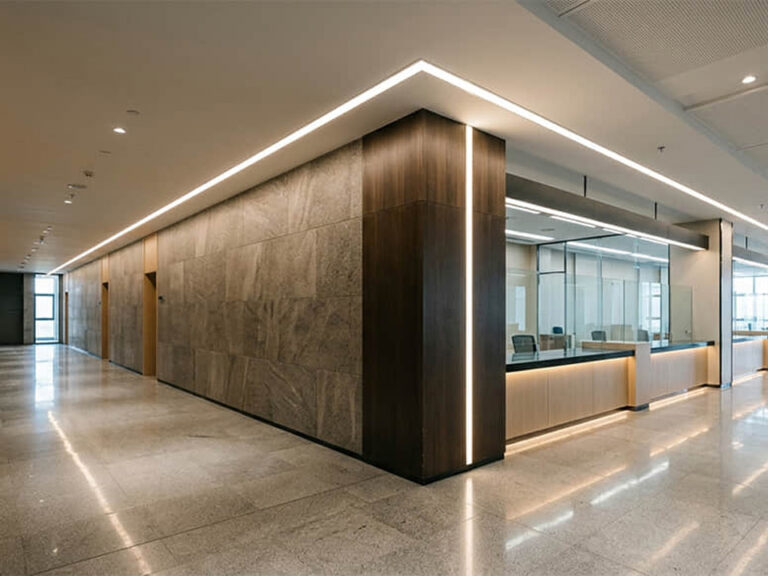
Für die meisten Büros ist die beste Antwort nicht “mehr Einrichtungsgegenstände”. In der Regel ist es eine disziplinierte Mischung aus Technische LED-Downlights für gewerbliche Innenräume und Lineare LED-Beleuchtung für moderne Bürodecken, Dabei übernimmt das lineare System die Raumabdeckung und die Downlights lösen Brennpunkte, Umlaufkanten oder architektonische Akzente, wo sie benötigt werden. Will jemand ernsthaft einen Konferenzraum voller heller Punkte und dunkler Tische, nur weil ein Katalog die Leuchte als “architektonisch” bezeichnet?
Hier ist der Insiderteil, den die Käufer vermissen: die ASHRAE Journal: Aufschlüsselung der Änderungen der Norm 90.1-2022 zur Beleuchtung zeigt, dass die Werte für die Leistungsdichte der Innenbeleuchtung in vielen Gemeinschaftsräumen sinken, z. B. in Konferenzräumen von 0,97 auf 0,88 W/ft² und in Großraumbüros von 0,61 auf 0,56 W/ft², während die Werte für Lagerhallen, mittelgroße und große Räume bei 0,33 W/ft² bleiben. Im Klartext bedeutet dies, dass Sie bei der Verteilung intelligenter vorgehen sollen, nicht fauler bei der Wattzahl.
Meine Regel ist klar: Bei Schreibtischen, Bildschirmen und langer Verweildauer bevorzuge ich Blendarme Umgebungssysteme Erstens. Ich würde nach 3500K bis 4000K, einem CRI von mindestens 80+, echten photometrischen Daten und einer glaubwürdigen Blendungsgeschichte suchen, wie z.B. tief versenkte Optiken oder kontrollierte lineare Verteilung. Wenn ein Anbieter nicht erklären kann, wohin die Helligkeit geht, ist es mir egal, wie hübsch die Blende aussieht.
Einzelhandel und Ausstellungsflächen
Drama hat seinen Preis.
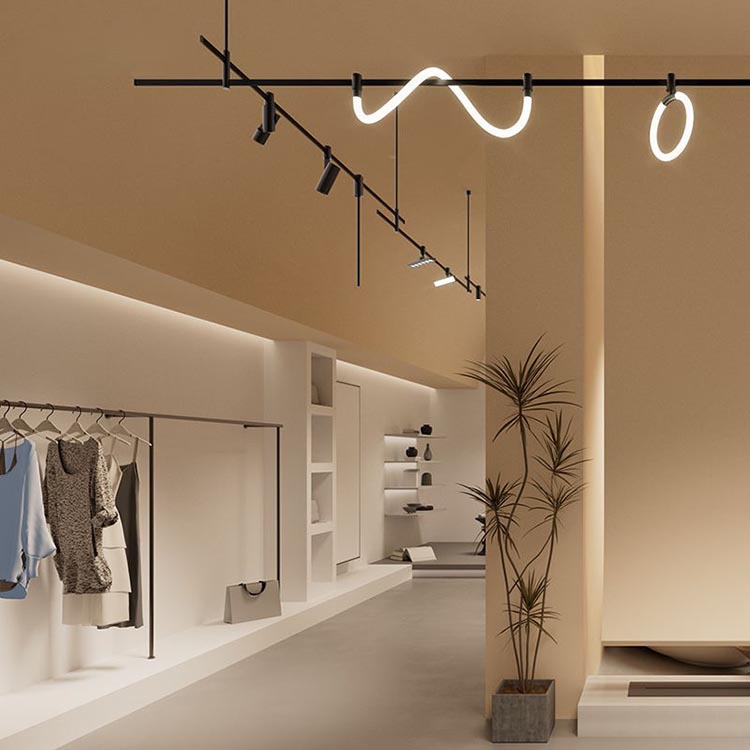
LED-Beleuchtungslösungen für den Einzelhandel leben oder sterben von Kontrast, Strahlpräzision, vertikaler Beleuchtung und Farbwiedergabe, weshalb LED-Schienenbeleuchtung für den Einzelhandel ist in der Regel besser als ein breiter Plan, der nur die Umgebung beleuchtet, wenn das Ziel die Ware und nicht die Sichtbarkeit ist. Wenn sich das Produkt aus 3 Metern Entfernung selbst verkaufen soll, warum sollte man es dann wie einen Korridor beleuchten?
Auch hier werden die Vorschriften ignoriert, bis es weh tut. ASHRAE stellt fest, dass die Norm 90.1-2022 von den Anwendern verlangt, dass sie davon ausgehen 10 W pro laufendem Meter für Netzspannungsschienen, und derselbe Artikel zeigt, dass die zulässige Leistung für zusätzliche Einzelhandelsbeleuchtung in einigen Kategorien stark abnimmt, einschließlich Einzelhandel 4, der von 1,88 auf 1,00 W/ft² fällt. Das ist ein Warnschuss: Stromschienen sind leistungsstark, aber ein schlampiges Schienendesign kann sowohl Ihr Energiebudget als auch Ihre Deckenplanung zunichte machen.
Meine Ansicht ist unmodern, aber richtig: Die Schiene ist keine Ausrede, um die Lichtplanung zu überspringen. Verwenden Sie 3000K bis 4000K je nach Produktfarbe, streben Sie einen CRI-Wert von 90+ für Bekleidung, Kosmetika oder hochwertige Waren an, und seien Sie ehrlich, was die Rolle von schmalem, mittlerem und flutendem Licht angeht. Umgebungslicht verkauft den Raum. Akzentlicht verkauft die Ware.
Lager und Back-of-House-Zonen
Ein völlig anderes Universum.
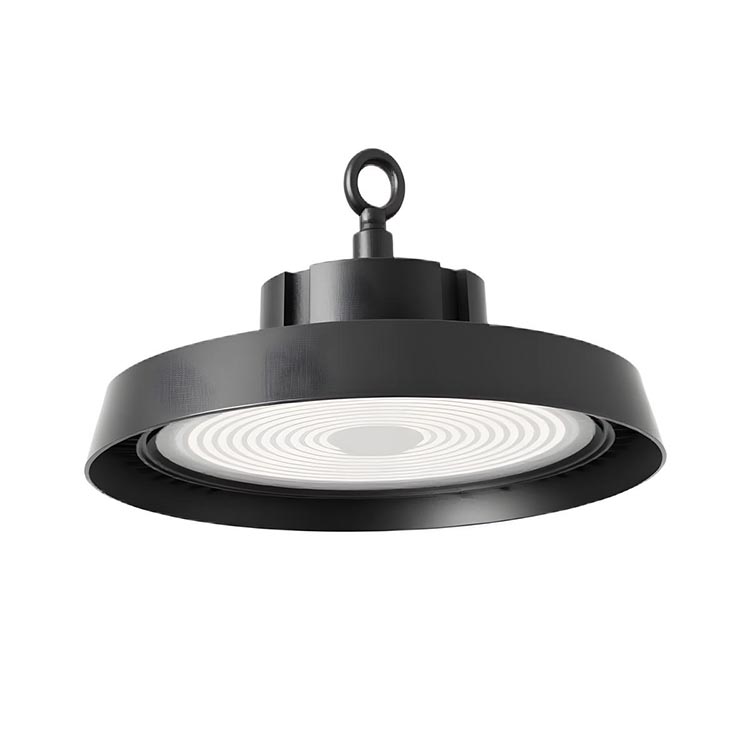
LED-Hochregallagerleuchten sind keine Cousins von Boutique-Downlights; sie sind eine eigene Klasse kommerzieller LED-Leuchten, bei denen es auf Montagehöhe, Ganggeometrie, Wartungsintervalle, Linsenkontrolle und staplersichere Sichtbarkeit ankommt, so dass jeder, der versucht, die Logik des Gastgewerbes in einem 10-Meter-Lager wiederzuverwenden, Geld in den Sand setzt. Würden Sie wirklich eine dekorative Verkleidung spezifizieren, als ob ein Palettenregal und eine Hotellobby die gleiche Frage stellen würden?
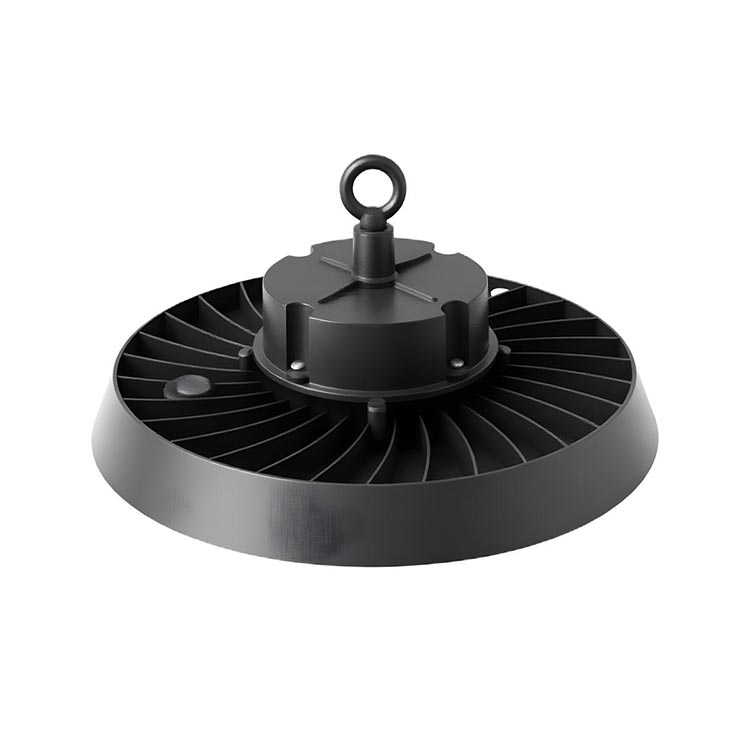
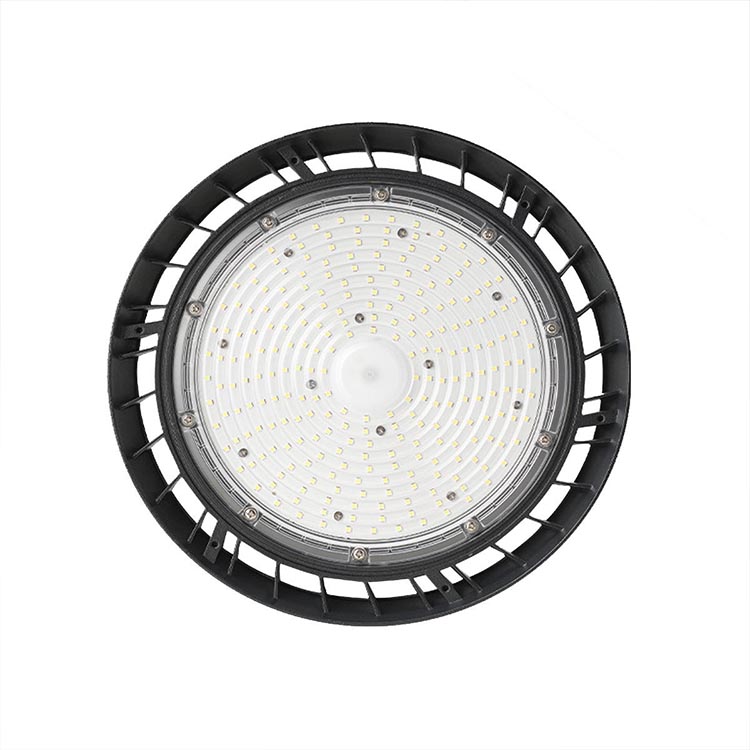
Hier lassen sich die Käufer von der reinen Wattzahl täuschen. In Lagerhallen achte ich mehr auf die Montagehöhe, die Abstandsbedingungen, die Gleichmäßigkeit der vertikalen Regalflächen, die Überlebensfähigkeit der Treiber in wärmeren Decken und darauf, ob es sich bei der Leuchtenfamilie um ein UFO-Hochregal oder ein lineares Hochregal handelt, das auf dem Gangmuster basiert. Der Gerätetyp muss zur Geometrie passen. Immer.
Die Zahlen, die eine gute Spezifikation von einem teuren Fehler unterscheiden
Ich mag Tabellen, weil sie Denkfaule schnell entlarven.
Lichteinfall, Blendung, schlechte Abdichtung, keine Kontrolllogik
Die meisten Käufer sind von der Wattzahl besessen, weil diese auf einem Kostenvoranschlag einfach aussieht, aber der wirkliche Kampf findet statt zwischen Vertrieb und Kontrolle. Ein falscher Abstrahlwinkel kann mehr praktischen Wert verlieren als ein mittelmäßiger Unterschied in der Wirksamkeit.
Die Kontrollen ändern die Berechnungen, und das ist der Punkt, an dem Amateure enttarnt werden.
Dieser Teil ist wichtig.
Nach Angaben der GSA-Leitfaden für Beleuchtung, können die typischen Energieeinsparungen etwa 40% aus der Terminplanung unter Licht-an-24/7-Bedingungen, 24% von occupancy sensing, 28% von tageslichtabhängiger Steuerung, und 30% HVAC-Einsparungen durch Integration im richtigen Szenario. Das bedeutet, dass die Auswahl der Vorrichtungsart ohne Kontrollstrategie keine wirkliche Auswahl ist, sondern nur ein halber Gedanke, der vorgibt, eine Spezifikation zu sein.
Und die Felddaten sind noch weniger verzeihlich. In der DOE-Fallstudie zur integrierten Beleuchtungskampagne auf der Tinker Air Force Base, Ersetzen der vorhandenen Beleuchtung durch LED-Leuchten spart mehr als 60% Energie, und die Beleuchtungssteuerung hinzugefügt 8% bis 23% über die LED-Basislinie hinaus. Reuters zitierte auch den CEO von Johnson Controls, George Oliver, im Jahr 2024 mit der Aussage, dass bestehende Technologien den Energieverbrauch eines Gebäudes oft um 30% bis 50%. Warum also behandeln so viele Käufer die Steuerungen immer noch wie ein optionales Zubehör, anstatt sie in die Entscheidung über die Ausstattung mit einzubeziehen?
Einer meiner liebsten Realitätschecks kommt von der UC Davis Center for Lighting Technology - Leitfaden für Büroanwendungen, der Universität von Minnesota, bei der durch integrierte LED-Beleuchtung und digitale Steuerung der Energieverbrauch im Treppenhaus um 90% in der ersten Phase, mit 961 Vorrichtungen ersetzt und mehr als $30.000 an jährlichen Einsparungen. Das passiert, wenn jemand die Einrichtungsart an das Belegungsmuster anpasst, anstatt eine allgemeine Vorlage zu kopieren.
Der Lieferant filtert die zu spät erwähnten Käufer
Jetzt werden wir ehrlich.
Ein Vorrichtungs-Typ ist nur dann “richtig”, wenn der Lieferant ihn wiederholen, dokumentieren und ohne Qualitätsabweichung ausliefern kann, weshalb ich Meagree's Qualitätskontrollverfahren für LED-Beleuchtung bevor ich wegen irgendeiner Gehäuseform oder Oberfläche sentimental wurde. Auf der Seite heißt es, dass das Unternehmen die Eingangskontrolle, die prozessbegleitende Qualitätskontrolle, die Überprüfung vor dem Versand, die Rückverfolgbarkeit der Chargen, ISO-verwaltete Arbeitsabläufe und ein 96-Stunden-Alterungstest für alle LEDs, Das ist genau die Art von langweiligen Beweisen, nach denen Fachleute fragen sollten, bevor sie etwas genehmigen.
Und wenn das Projekt Änderungen an der Hausmarke, an der Optik oder am Gehäuse erfordert, lautet die entscheidende Frage nicht: “Können Sie mein Logo darauf anbringen?” Es geht darum, ob der Anbieter über echte technische Kompetenz verfügt. Meagree's kommerzielle LED OEM/ODM Dienstleistungen Seite heißt es, dass es die benutzerdefinierte Entwicklung mit einer F&E-Team mit 10 Ingenieuren, Formenentwicklung, Prototyping, photometrische Tests, thermische Arbeiten, Unterstützung bei der Einhaltung von Vorschriften und skalierbare Fertigung. Das ist der Unterschied zwischen einem Lieferanten und einer Screenshot-Fabrik.
Meine nicht verhandelbare Dokumentenliste ist hässlich, aber effektiv: LM-79, LM-80, TM-21, IES- oder LDT-Dateien, Treiberdetails, CCT- und CRI-Bins, Garantiebedingungen, Dimmprotokoll, Notfalloptionen und echte Fotos von fertigen Aufträgen. Wenn die Antwort vage ist, gehen Sie weiter.
FAQs
Was sind kommerzielle LED-Beleuchtungsarmaturen?
Gewerbliche LED-Leuchten sind anwendungsspezifische Leuchten, die für den Innen- und Außenbereich von Unternehmen entwickelt wurden. Sie werden nach Aufgabe, Ausstrahlungsmuster, Blendungsbegrenzung, Betriebsstunden, Einhaltung von Vorschriften, Kompatibilität mit Steuerungen und Wartungszugang und nicht nur nach dekorativer Form ausgewählt, da gewerbliche Räume schlechte Beleuchtungsentscheidungen viel schneller bestrafen als Privathäuser.
Aus diesem Grund sollten ein Stromschienenkopf für den Einzelhandel, eine lineare Büroleuchte und ein Hochregallager niemals als austauschbar betrachtet werden, nur weil sie alle LEDs enthalten.
Welcher Leuchtentyp eignet sich am besten für Büros?
Die beste LED-Beleuchtung für Büros ist in der Regel ein blendarmes lineares System oder ein Einbausystem, manchmal in Kombination mit selektiven Downlights, das eine gleichmäßige Beleuchtung mit 3500K-4000K liefert, Dimmen und Anwesenheitssteuerung unterstützt und die reflektierte Helligkeit auf Bildschirmen reduziert, da Büros häufiger aufgrund von visuellem Unbehagen ausfallen als aufgrund eines geringen Lumenausstoßes.
Ich würde lieber ein diszipliniertes, lineares Layout mit weniger dekorativen Gesten sehen als eine trendige Decke voller Blendbomben.
Sind Stromschienenleuchten für Verkaufsräume besser als Downlights?
Stromschienen sind für den Einzelhandel in der Regel besser geeignet als Downlights, wenn es um Akzente, Warenkontraste, Flexibilität bei der Ausrichtung und saisonale Veränderungen der Auslagen geht, während Downlights besser für stabile Umgebungsschichten, Zirkulation und saubere Decken geeignet sind, bei denen ein breiter Sehkomfort wichtiger ist als ein dramatischer Lichtstrahl.
Der Fehler besteht darin, sich für eines zu entscheiden und zu erwarten, dass es beide Aufgaben gut erfüllt.
Ist die Steuerung der Beleuchtung genauso wichtig wie die Art der Leuchten?
Die Beleuchtungssteuerung ist ebenso wichtig wie der Leuchtentyp, da Zeitpläne, Anwesenheitssensoren, Tageslichtregelung und integrierte Steuerungslogik bestimmen, wie lange die Leuchte läuft, wie stark sie läuft und ob das installierte System tatsächlich wie das Entwurfsmodell funktioniert und nicht nur auf dem Papier effizient aussieht.
Eine schlechte Steuersequenz kann eine gute Leuchte in einen teuren Dauerbrenner verwandeln.
Welche Unterlagen sollte ich anfordern, bevor ich einen gewerblichen LED-Lieferanten zulasse?
Das unverzichtbare Lieferantenpaket umfasst photometrische Dateien, Testdaten, Details zur Kontrollkompatibilität, Nachweise zum Qualitätsprozess und Informationen zur Chargenkonsistenz, denn beim kommerziellen LED-Kauf geht es nicht nur darum, dass ein Muster eine visuelle Prüfung besteht, sondern dass die nächsten 500 Einheiten in Farbe, Leistung, Treiberverhalten und Verarbeitung übereinstimmen.
Bevor ich etwas unterschreibe, würde ich nach LM-79, LM-80, TM-21, IES/LDT, Treibermarke, CCT/CRI-Bins, Garantiesprache und Nachweis von Alterungstests fragen.
Ihr nächster Schritt
Tun Sie das morgen.
Kartieren Sie jede Gewerbefläche nach Aufgabe, Montagehöhe, Betriebsstunden, Wartungszugang, Blendungsfreiheit und Kontrollbereich, Wenn Sie sich für ein Produkt entscheiden, sollten Sie eine Familie von Raumleuchten und eine Familie von Akzentleuchten in die engere Wahl ziehen, anstatt den Katalog für sich entscheiden zu lassen. Für Büros beginnen Sie mit linearen und kontrollierten Einbaumöglichkeiten; für den Einzelhandel beginnen Sie mit Stromschienen und Akzentschichten; für die Gastronomie beginnen Sie mit Komfort und Cutoff; für Lagerhallen beginnen Sie mit der Lichttechnik und der Nutzungsdauer. Verlangen Sie dann den Bohrnachweis: LM-79, LM-80, TM-21, IES-Dateien, Treiberdetails, Steuerungslogik und wiederholbare Qualitätskontrollen.
So wählen Sie LED-Leuchtmittel für den gewerblichen Bereich aus, ohne sich ein Garantieproblem einzuhandeln, das als Designentscheidung getarnt ist.