ما زلت لا ترى حل الإضاءة التجارية المناسب؟ تحدث إلى فريق المشروع لدينا.
إذا كنت قد راجعت الموقع الإلكتروني أو ناقشت الخيارات بالفعل مع المبيعات ولكنك لا تزال بحاجة إلى توجيه أوضح، أرسل طلبك هنا. سيقوم فريقنا بمراجعة طلبك والمواصفات المستهدفة وقيود المشروع، ثم الرد بالخطوة العملية التالية: ما الذي يناسبك، وما الذي يحتاج إلى تأكيد، وأسرع طريق للحصول على عرض أسعار وملفات جاهزة للمواصفات لمشروعك.
مراجعة مباشرةً لطلبك ومواصفاتك وقيود المشروع للحصول على مسار عرض أسعار أوضح.
مطابقة المنتج عبر خيارات زاوية الشعاع، و CCT / CRI، وبرامج التشغيل، والتعتيم، وعناصر التحكم.
دعم وثائق المشروع، بما في ذلك أوراق القطع، وملاحظات الأسلاك، وملفات IES / LDT حيثما توفرت.
إرشادات OEM / ODM للملصقات والتعبئة والتغليف والتشطيبات الخارجية للمساكن ومتطلبات العلامة التجارية الخاصة.
احصل على عرض أسعار سريع لإضاءة LED التجارية
مصممة للمصممين والمهندسين المعماريين والمقاولين وتجار الجملة ومشتري المشاريع. شارك طلبك والكمية والمواصفات المستهدفة للحصول على أسعار مباشرة من المصنع وإرشادات المهلة الزمنية والدعم الجاهز للمواصفات للمشاريع في الولايات المتحدة والاتحاد الأوروبي.
الخيارات الجاهزة للاقتباس: الشعاع/البصريات، وأهداف CCT / CRI / SDCM، وبرامج التشغيل، والتعتيم، وتكامل عناصر التحكم
Beam Spread vs Comfort: Finding the Right Recessed Balance
Manufacturers enjoy publishing wattage, lumens, and a cool beam-angle number, yet that number states almost absolutely nothing concerning whether a seated guest, buyer, or office worker will certainly look right into a brilliant aperture whenever they look throughout the area.
So what are we actually defining: light on surface areas, or illumination in people’s eyes?
That distinction matters. A recessed lights beam of light angle describes the spread of a fixture’s primary luminescent strength, not the quality of the whole visual setting. A 36 ° downlight can feel calm and controlled. One more 36 ° fixture, set up at the exact same elevation and creating the same lux, can really feel hostile since its LED resource sits close to the ceiling plane.
My blunt view is that beam of light angle has come to be a practical substitute for correct optical analysis. It is easy to publish on a quotation. It is much tougher to discuss cutoff, aperture luminance, field angle, spacing, reflectance, onlooker placement, and candela distribution.
But those are the details that decide whether a space works.
What a Recessed Illumination Beam Of Light Angle Really Informs You
The recessed lighting beam of light angle is normally the angular size at which luminous intensity is up to 50% of the maximum or centre-beam strength. That serves photometric information, but it does not describe every noticeable ray leaving the luminaire.
Light continues outside the stated light beam.
The wider, softer area past the major beam of light is commonly defined through the field angle, generally gauged where strength has actually been up to 10% of the optimum. Two components advertised as 36 ° can consequently produce noticeably different sides, spill light, ceiling illumination, and visual comparison.
This is why requirements sheets must never be read as if the beam-angle figure were a physical cutoff. It is not. It is a dimension factor on a distribution contour.
The distinction ends up being evident when you contrast 3 circumstances:
A narrow beam of light with a soft area produces controlled emphasis without a noticeably tough circle.
A slim light beam with a sudden edge develops a theatrical hotspot.
A vast beam of light with substantial high-angle output may brighten walls uniformly while staying uncomfortably bright from typical viewing positions.
Exact same classification. Different experience.
Recessed Lights Beam Of Light Spread Is Geometry Before It Is Style
Light beam spread can be estimated with a basic formula:
Approximate light beam size = 2 × toss range × tan (light beam angle ÷ 2)
Think the optical centre of a downlight is 2.7 metres over the target surface area. The approximate impact modifications quickly as the beam of light opens:
زاوية الشعاع
Approximate size at 2.7 m
Normal visual impact
Main design risk
15 ° 0.71 m
Limited, remarkable accent
Hotspots and serious comparison
24 ° 1.15 m
Regulated function illumination
Dark gaps if spacing is negligent
36 ° 1.75 m
Well balanced accent or local ambient light
Noticeable scalloping near walls
40 ° 1.97 m
Softer basic illumination
Excess brightness from superficial optics
60 ° 3.12 m
Broad, overlapping insurance coverage
Level appearance and high-angle glare
These numbers explain the small 50% beam boundary. They do not anticipate exact illuminance, side gentleness, reflected light, or glare.
And the target aircraft issues. A beam targeted at a table top has a shorter toss than the very same component aimed at the floor. An adjustable luminaire slanted towards artwork generates an elliptical exerciser impact rather than a round one. Reflective stone, polished steel, glass, and computer system screens can redirect the light into an occupant’s eyes.
This is why I turn down the old rule that downlights must simply be spaced at half the ceiling elevation. It may serve for a very early illustration. It is not an expert final estimation.
Wide vs Narrow Beam Angle: The Difficult Compromise
A narrow light beam concentrates intensity. A broad light beam disperses it.
That sounds easy, yet both develop problems when utilized without restraint.
A 15 ° or 24 ° optic can generate strong vertical illumination on goods, artwork, textured wall surfaces, function counters, and table settings. It is typically the appropriate tool for aesthetic pecking order. A focused item such as an anti-glare recessed 8W LED limelight for resort accent illumination can sustain this technique while keeping the ceiling aesthetically silent.
But slim beams magnify errors. Shift the fixture 300 mm away from the desired target and the make-up can collapse. Use a lot of narrow beam of lights and the flooring begins looking like a collection of separated islands.
Wide beam of lights are much more forgiving. They overlap more conveniently and reduce evident dark patches. Yet a broad distribution can send out a lot more light toward high seeing angles, especially when the source is shallow or the diffuser remains noticeably bright.
The tough reality? “Wide” does not mean soft, and “slim” does not mean glary.
Convenience depends upon where the luminous strength journeys, whether residents can see the source, and how the illuminated surface areas associate with the darker history.
Why Glare-Free Recessed Illumination Needs Greater Than a Beam of light Number
The best beam angle for recessed lighting can not compensate for poor protecting.
A comfy recessed luminaire generally combines a number of controls:
Recess depth. Relocating the LED source over the ceiling plane reduces its exposure at superficial checking out angles.
Cutoff geometry. The trim, reflector, baffle, or snoot obstructs direct view of the high-luminance source.
Optical control. A reflector or lens areas candela where it serves as opposed to allowing uncontrolled spill.
Aperture dimension. A tiny, extreme aperture can feel sharper than a larger, lower-luminance opening creating comparable total lumens.
Surface finish. Dark baffles decrease noticeable illumination, although they may likewise take in light and minimize luminaire efficiency.
Output selection. A well-shielded fixture can still be uncomfortable when driven far beyond the room’s actual illuminance demand.
Government work environment support makes the same sensible factor: directional light can mirror from screen screens and produce glow, while adjusting the resource angle and controlling reflections can lower the issue.
For hospitality tasks, deeper optical construction is commonly more valuable than going after an additional 10% in lumens per watt. A deep recessed 10W high-CRI LED downlight for hotel guest spaces is conceptually aligned keeping that concern: conceal the resource, light up the valuable surfaces, and secure typical sightlines.
Smaller sized fixtures can also work when the outcome and spacing remain disciplined. The 6W recessed anti-glare ceiling limelight for contemporary resort ceilings is positioned for visitor spaces, hallways, offices, and various other rooms where a very discreet aperture and controlled light are favored over a visually dominant ceiling fixture.
What Beam Angle Is Finest for Recessed Lights in Each Application?
There is no universal finest angle. There are defensible beginning arrays.
Hotel Visitor Areas
Begin around 24 °— 36 ° for bedside wall surfaces, art work, curtains, workdesks, and regional accent areas. Use 36 °— 60 ° where a fixture contributes to general lighting.
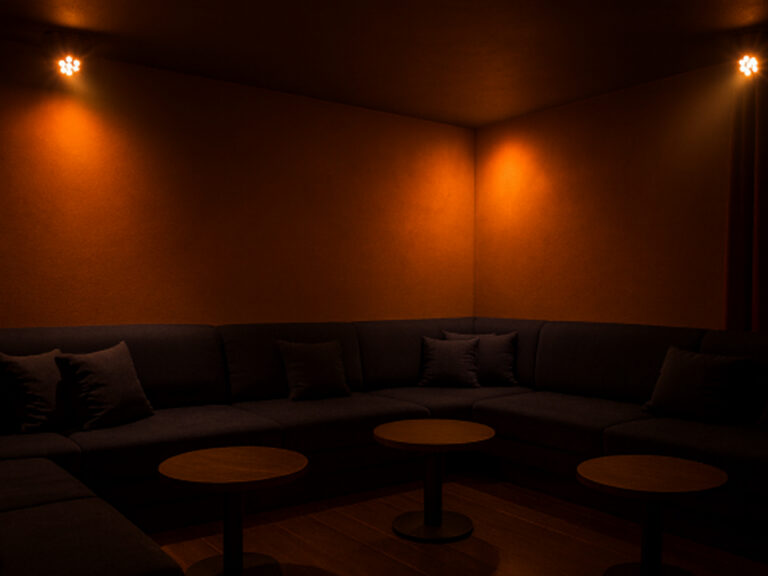
I would stay clear of covering the whole ceiling with the same wide-beam downlights. Visitor spaces benefit from layers: wall light, concealed light, bedside light, joinery light, and a restricted number of recessed components. A ceiling full of bright circles feels even more like a display room than an area to remainder.
Warm 2700 K or 3000 K light, CRI 90+, regulated dimming, deep recess depth, and low noticeable brightness generally matter greater than optimizing lumen output.
Hotel Corridors
A starting range of 36 °— 60 ° can develop sufficient overlap and support orientation. Yet corridor geometry makes glow particularly sensitive due to the fact that owners see repeated installations along a long viewing axis.
The component may look comfy straight below. Watched 15 metres down the passage, nevertheless, 10 bright apertures can go into the field of view at once.
That is where a purpose-built 12W anti-glare industrial LED downlight for resort passage lights ends up being more appropriate than a shallow general-purpose downlight. Its specified application concentrates on circulation areas where controlled, comfy illumination becomes part of the visitor experience.
Offices and Fulfilling Areas
الاستخدام 36 °— 60 ° for basic recessed downlighting, but do not anticipate small rounded components to solve the whole office.
Screen-based job creates reflected-glare dangers. Face modelling also endures when all light arrives vertically from overhead. I prefer wider luminescent systems for ambient lighting, sustained by targeted recessed optics around circulation areas, wall surfaces, meeting tables, and discussion areas.
الاستخدام 15 °— 24 ° for small things and high-contrast displays, 24 °— 36 ° for mannequins and medium display screens, and 36 °— 60 ° for broad goods wall surfaces or ambient fill.
Retail designs change. Recessed fixtures do not.
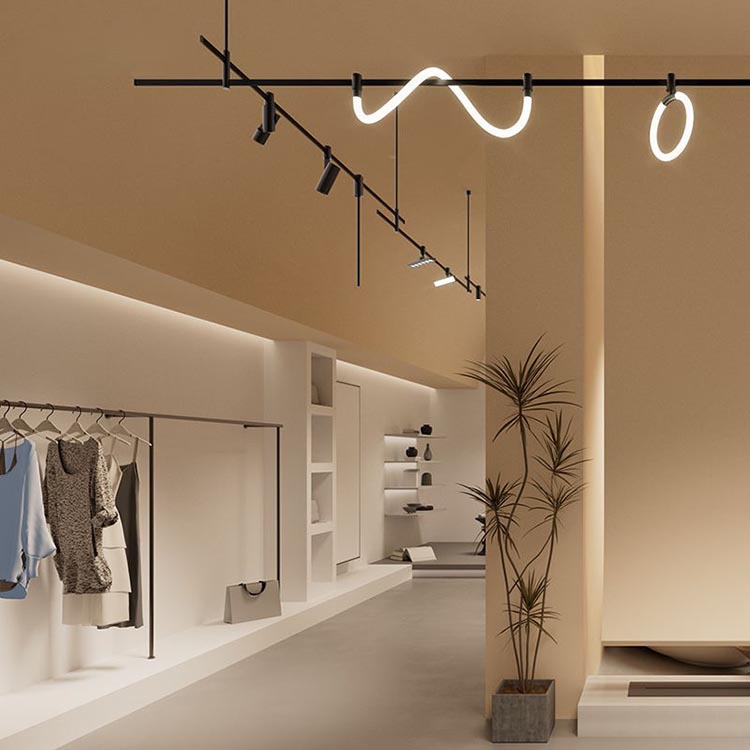
For stores with seasonal display screens, movable shelving, or regularly modified retailing, a 12W 48V magnetic track limelight for retail accent lighting might be more logical than devoting every prime focus to a dealt with ceiling intermediary. The magnetic format permits fixtures to be repositioned as screens move.
Yes, track is much more visible. However adaptability commonly beats ceiling purity.
Current Evidence: Comfort Is Not Ornamental Language
The industrial lights market has actually currently relocated well beyond the early LED-adoption phase. An U.S. Department of Power market characterization published on Might 21, 2024 reported that LEDs represented approximately 48% of the mounted property and industrial illumination base in 2020. Industrial buildings represented concerning 69% of the 244 TWh eaten by constructing lighting, despite having actually far less mounted systems than homes.
That informs me something unpleasant: efficiency alone is no longer an enough sales argument. LEDs are established. The next competitive examination is optical quality, controls, maintainability, colour consistency, and occupant experience.
A December 2023 experimental research checked out 12 participants under different illuminance degrees, colour temperature levels, and reading durations. The researchers reported substantial impacts from illuminance and CCT, with 500 lux at 4000 K generating the greatest analysis effectiveness and lowest gauged brain exhaustion during the 30-minute problem. The example was small, so the result should not be dealt with as an universal prescription, yet it shows that lights problems influence more than appearance.
A 2024 University of Arizona case study got to a related verdict from an architectural instructions. By modelling glare with Rhinocerous 7, QUEEN, and ClimateStudio, the researchers reported that a customized shading and light-shelf method minimized glow to an invisible level while raising the daylit location by 20%. It worried daytime rather than recessed components, yet the lesson transfers: geometry and simulation outperform guesswork.
Exactly how to Choose a Recessed Lighting Light Beam Angle Without Guessing
I use a basic series.
Initially, define the target. Is the component illuminating a flooring, desk, painting, goods wall surface, drape, table, or face?
Second, measure the genuine toss range from the optical centre to that target. Do not make use of ceiling elevation automatically.
Third, compute the initial light beam footprint. Then decide just how much overlap is acceptable and whether visible scallops are willful.
Fourth, examine the photometric data. An IES or LDT file need to show candela circulation, strength at high angles, spacing requirements, and the real shape of the light beam. A rendering based only on lumens is not enough.
5th, examine typical sightlines. Examination seated, standing, going into, leaving, and screen-viewing settings. Passage and friendliness projects ought to also be viewed along their lengthiest axis.
Sixth, verify the complete spec:
Beam of light angle and area angle
Centre-beam candlepower
Recess deepness and cutoff angle
CRI و R9
CCT and colour uniformity, such as 3-step SDCM
Vehicle driver flicker efficiency
Lowering protocol, including DALI, 0– 10 V, stage dimming, or Casambi
IES or LDT photometric information
LM-79 test documents where called for
Emergency-lighting compatibility
Replaceability and upkeep gain access to
Never ever authorize a component since the quotation says “anti-glare.” That expression is not a measurement.
Ask exactly how the case was accomplished.
الأسئلة الشائعة
What beam angle is best for recessed lights?
The most effective beam of light angle for recessed lights is the angle that puts valuable light on the job while keeping the luminous aperture outside typical sightlines; in most commercial areas, 24 °– 36 ° fits accent work, while 36 °– 60 ° is a much safer starting array for general illumination.
Installing elevation, component spacing, surface reflectance, recess depth, and the required lux level can change those ranges. Last option should be verified with the fixture’s IES or LDT documents.
Does a wider recessed lighting light beam angle lower glow?
A larger recessed illumination beam angle spreads light throughout a larger surface and can decrease scalloping, however it does not instantly improve comfort because a shallow, intense aperture may stay visible from even more positions and create more high-angle brightness in the resident’s field of vision.
A large light beam coupled with deep shielding can feel comfortable. A broad beam from an exposed LED or luminous diffuser might feel rough, even when the flooring illumination shows up smooth.
Is a narrow recessed downlight beam angle awkward?
A slim recessed downlight beam angle concentrates candela right into a smaller footprint, which works for artwork, product, tables, and building information, yet it becomes unpleasant when the hotspot is also intense, the aiming is inadequate, or the light beam arrive at reflective material.
Narrow beams need to produce hierarchy, not random circles. Their placement calls for even more accuracy than wide-beam general lighting.
Exactly how much apart should recessed downlights be?
Recessed downlight spacing should be based upon mounting height, light beam diameter, target illuminance, and the overlap received the IES or LDT photometric file; spacing fixtures at a dealt with fraction of ceiling elevation without checking the real optic is just a rough preliminary method.
For smooth general lights, designers frequently overlap the helpful sections of nearby beams. Accent illumination might deliberately leave larger dark areas to enhance contrast.
What makes recessed lights glare-free?
Glare-free recessed illumination is a low-visible-brightness system in which the LED source is shielded by sufficient recess deepness, cutoff geometry, regulated optics, sensible output, and correct placement, so residents get valuable illumination without repeatedly seeing a severe brilliant aperture during typical movement.
No luminaire is glare-free from every setting. The claim needs to be examined within the real room, including ceiling elevation, checking out instructions, furniture design, reflective surfaces, and resident posture.
Specify the Light Individuals Experience
The appropriate recessed lighting light beam angle is not the narrowest, best, or a lot of stylish choice. It is the circulation that brightens the designated surface areas without transforming the ceiling right into a field of noticeable light sources.
Start with placing elevation and target geometry. Review the photometric file. Check the cutoff. Version the overlap. After that look across the completed space from the setting of the person that will really inhabit it.
For a project-specific suggestion, send the room measurements, showed ceiling plan, placing elevation, target lux, CCT, CRI, lowering requirement, coating timetable, and designated component amount. That details is far more valuable than requesting a generic “finest light beam angle.”