ما زلت لا ترى حل الإضاءة التجارية المناسب؟ تحدث إلى فريق المشروع لدينا.
إذا كنت قد راجعت الموقع الإلكتروني أو ناقشت الخيارات بالفعل مع المبيعات ولكنك لا تزال بحاجة إلى توجيه أوضح، أرسل طلبك هنا. سيقوم فريقنا بمراجعة طلبك والمواصفات المستهدفة وقيود المشروع، ثم الرد بالخطوة العملية التالية: ما الذي يناسبك، وما الذي يحتاج إلى تأكيد، وأسرع طريق للحصول على عرض أسعار وملفات جاهزة للمواصفات لمشروعك.
مراجعة مباشرةً لطلبك ومواصفاتك وقيود المشروع للحصول على مسار عرض أسعار أوضح.
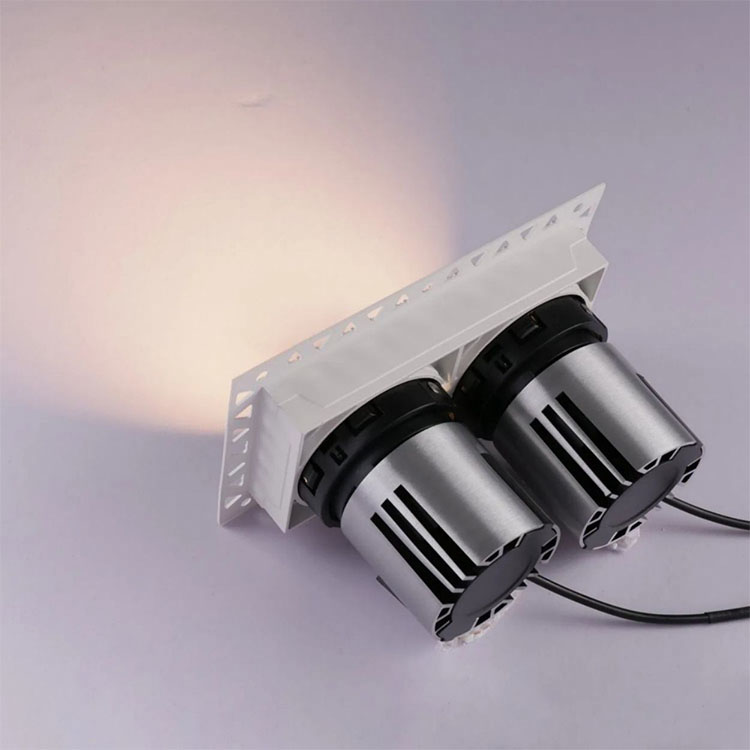
مطابقة المنتج عبر خيارات زاوية الشعاع، و CCT / CRI، وبرامج التشغيل، والتعتيم، وعناصر التحكم.
دعم وثائق المشروع، بما في ذلك أوراق القطع، وملاحظات الأسلاك، وملفات IES / LDT حيثما توفرت.
إرشادات OEM / ODM للملصقات والتعبئة والتغليف والتشطيبات الخارجية للمساكن ومتطلبات العلامة التجارية الخاصة.
احصل على عرض أسعار سريع لإضاءة LED التجارية
مصممة للمصممين والمهندسين المعماريين والمقاولين وتجار الجملة ومشتري المشاريع. شارك طلبك والكمية والمواصفات المستهدفة للحصول على أسعار مباشرة من المصنع وإرشادات المهلة الزمنية والدعم الجاهز للمواصفات للمشاريع في الولايات المتحدة والاتحاد الأوروبي.
الخيارات الجاهزة للاقتباس: الشعاع/البصريات، وأهداف CCT / CRI / SDCM، وبرامج التشغيل، والتعتيم، وتكامل عناصر التحكم
الأضواء الخطية المعلقة مقابل الأضواء السطحية مقابل الأضواء الخطية المعلقة
انتشار المواصفات السيئة.
لقد شاهدت الكثير من المشاريع التجارية تتجادل حول القوة الكهربائية و CRI وعينات اللمسات النهائية بينما تتخطى القرار الوحيد الذي يقرر ما إذا كان السقف سيبقى نظيفًا أم لا، ويبقى فريق الصيانة عاقلًا، ويبدأ الكهربائي في القسم قبل أول إصلاح: نوع التركيب، لأن الإضاءة الخطية الغائرة والسطحية والمعلقة ليست خيارات تصميمية بقدر ما هي ثلاث مشاكل بناء مختلفة ترتدي أوراق بيانات متشابهة. لماذا لا تزال الفرق تتظاهر بأنها قابلة للتبديل؟
إليك وجهة نظري. إذا بدأت بتصفح واسع تركيبات إضاءة (ليد) التجارية ثم تضييقها إلى مجموعة الإضاءة الخطية LED, ، فأنت بالفعل أقرب إلى سير العمل الصحيح من معظم المشترين، لأن الإضاءة الخطية يجب أن تتم تصفيتها حسب حالة السقف، وعمق الجلسة، وارتفاع التركيب، والوصول إلى الخدمة، والقصد البصري قبل أن يبدأ أي شخص في الحديث عن “الخطوط العصرية النظيفة”. تدعم بنية الموقع في Meagree في الواقع هذا التسلسل، وهو أمر نادر الحدوث بما يكفي لقول ذلك بصوت عالٍ.
تفاصيل التركيب تقرر أكثر من المحرك الخفيف
لدغة الأرقام.
وفقاً ل إدارة معلومات الطاقة الأمريكية, ، لا تزال الإضاءة تمثل حوالي 101 تيرابايت من إجمالي استخدام الطاقة في المباني التجارية في الولايات المتحدة في عام 2018، وتقرير وزارة الطاقة الصادر في 6 مارس 2024 التحديد على ANSI/ASHRAE/IES 90.1-2022 قال إن المعيار الأحدث يجب أن ينتج عنه متوسط وفورات في الطاقة في الموقع تبلغ 9.81 تيرابايت في المتوسط على المستوى الوطني مقابل المعيار 90.1-2019، مما يعني أن خيارات التركيب لم تعد مجرد تفضيلات جمالية بل جزء من قصة الطاقة والامتثال. أليس من الغريب أن الفرق لا تزال تتعامل معها كمفردات زخرفية؟
والرمز له أسنان.
مدينة نيويورك القانون المحلي 88 يتطلب من المباني المغطاة ترقية بدلات طاقة الإضاءة وأجهزة التحكم في الإضاءة، وتوضح إرشادات المدينة نفسها أن المباني الكبيرة غير السكنية لا يمكنها الاختباء وراء تخطيطات الإضاءة القديمة إلى الأبد، وهذا هو بالضبط السبب في أنني لا أملك الكثير من الصبر على مواصفات الإضاءة الخطية الغامضة التي تؤجل الحديث عن التركيب حتى الشراء. لماذا بناء إعادة صياغة مستقبلية في حزمة السقف الحالية؟
جدول المحتويات
ما الذي يوفره لك كل نوع من أنواع التركيب
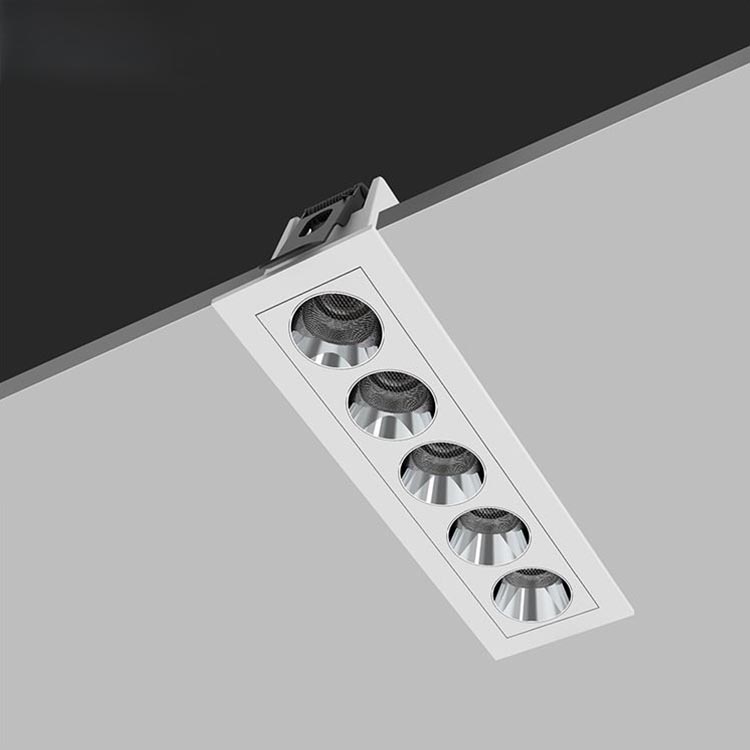
الإضاءة الخطية المعلقة
تبدو باهظة الثمن.
عندما يتم تنفيذ الإضاءة الخطية المريحة بشكل جيد، فإنها تمنحك أنظف مستوى للسقف، وأقل فوضى بصرية، وأكثر النتائج ملاءمة للمهندسين المعماريين، خاصةً في المكاتب وغرف الاجتماعات وقاعات الاستقبال والممرات حيث يرغب الناس في أن يُقرأ الضوء كعمارة بدلاً من الأجهزة؛ ولكنها تتطلب أيضًا تنسيقًا صادقًا حول حجم الفتحة، ووصول السائق، وسُمك السقف، وازدحام الجلسة، وخدمات الحريق، وإزاحات الرشاشات، والتحكم في درجة التحمل. لماذا يحب المهندسون المعماريون المظهر ثم يتصرفون بدهشة من فاتورة التنسيق؟
تعجبني الخطوط الغائرة عندما يكون السقف منضبطًا بالفعل ولا يكون السقف منضبطًا بالفعل ولا تكون الجلسة المكتملة منطقة حرب. بالنسبة للقراء الذين يقارنون اتجاه المنتج الفعلي، فإن مصابيح LED خطية غائرة للأسقف المكتبية هو المسار الداخلي الصحيح عندما يكون الهدف هو السقف الهادئ مع تحيز مكتبي قوي، في حين أن مصباح LED خطي بدون زخارف للديكورات الداخلية المعمارية البسيطة يكون أكثر منطقية عندما يكون الموجز أكثر وضوحًا وتكاملًا وأقل تسامحًا مع الزخرفة المرئية.
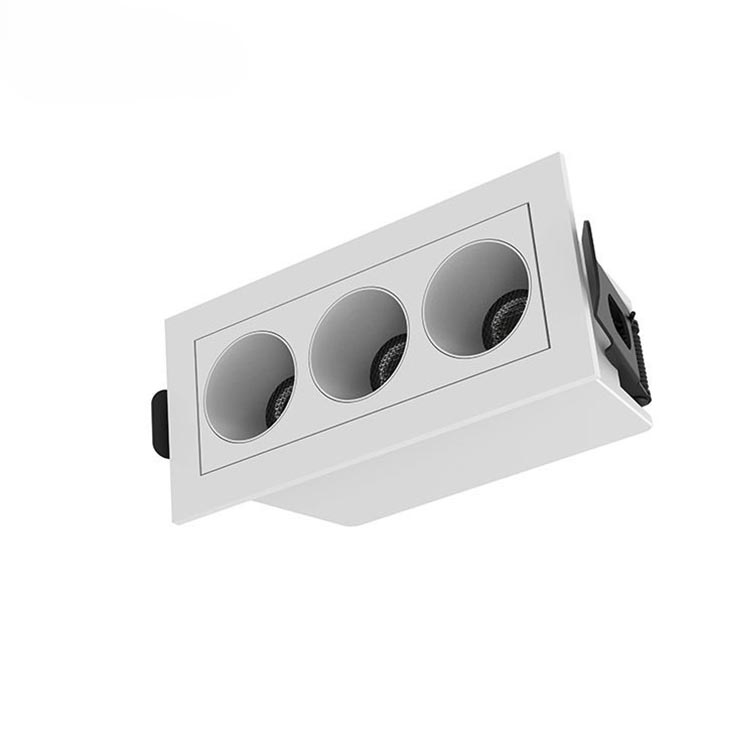
مصابيح خطية مثبتة على السطح
هذا الأمر غير مقدر حق قدره.
إن المصابيح الخطية المثبتة على السطح هي الخيار الذي لا معنى له للأسقف المعدلة، والألواح المزدحمة، والجداول الزمنية الضيقة، والمشاريع التي تريد فيها ترتيبًا خطيًا دون نحت اللوح الجصي، وسأقول الجزء غير العصري بوضوح: غالبًا ما يفوز السطح لأنه يخبرنا بحقيقة المبنى بدلاً من جعل المقاول يصطنع فتحة سلسة على ظروف غير كاملة. لماذا لا يزال التعامل مع الصدق في البناء على أنه حل وسط؟
ولكن التركيب السطحي ليس رخيص المظهر تلقائيًا. إذا كانت هندسة المبيت جيدة، والبصريات مضبوطة، والتشطيبات متناسقة، وتباعد الخطوط مقصود، يمكن أن تبدو أنظمة السطح مدروسة بدلاً من أن تبدو ثاني أفضل. ما يفسدها عادةً ليس مجموعة التركيبات نفسها ولكن التباعد البطيء والتفاصيل الطرفية السيئة وقرارات التغذية المكشوفة وعدم الانضباط في المحاذاة.
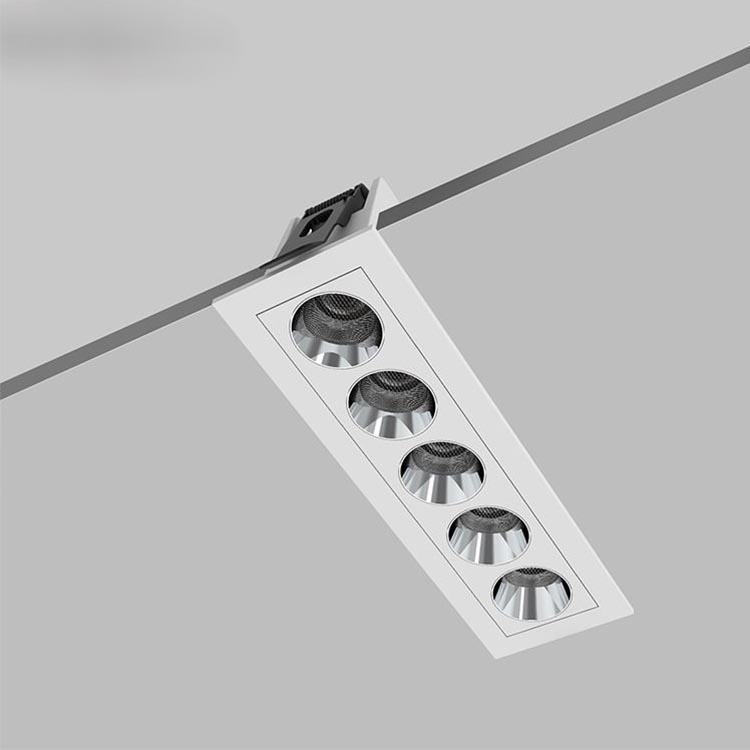
إضاءة خطية معلقة
الهواء مهم.
تكتسب الإضاءة الخطية المعلقة أهميتها في المكاتب ذات السقف المفتوح، والسقوف العالية، ومناطق التعاون متعددة الاستخدامات، والتعديلات التحديثية حيث تكون اللوح فوضوية أو ذات قيمة كبيرة بحيث لا يمكن إخفاؤها، لأنها تنقل مستوى الإضاءة إلى مكان عمل الأشخاص فعليًا، وتخفف من حدة الفراغ في السقف، وتخلق نظامًا بصريًا دون التظاهر بأن الهندسة المعمارية ليست كذلك. لماذا تفرض خيالاً غائراً في سقف من الواضح أنه يريد التعليق؟
أنا صريح هنا. تكشف الأنظمة المعلقة كل قرار ضعيف. فأطوال الكابلات، وخطوط الرؤية عبر الغرف، والوصول إلى السائق، والتنسيق الصوتي، والتكامل الصوتي، والتكامل في حالات الطوارئ، واستقامة صف التركيبات كلها تصبح مرئية في الحال، لذا فإن التركيب المعلق غير المتقن يبدو غير محترف أسرع من التركيب المعلق غير المتقن. ولكن في الغرفة المناسبة، تبدو المصابيح الخطية المعلقة أكثر هدوءًا وإنسانية وغالبًا ما تكون أفضل حجمًا.
يجب على المشترين الجادين المقارنة قبل الموافقة
المواصفات تكشف عن الشخصية.
تقارن معظم الفرق بين حزم التجويف أولاً، على الرغم من أن المقارنة الأكثر ذكاءً تبدأ بما يمكن أن يتحمله السقف فعليًا، وما يمكن أن تصل إليه الصيانة بشكل واقعي، وما تحاول الغرفة أن تقوله عن نفسها. لماذا نستمر في قياس الأشياء الخاطئة أولاً؟
السمة
الإضاءة الخطية المعلقة
مصابيح خطية مثبتة على السطح
إضاءة خطية معلقة
المؤثرات البصرية
أنظف تكامل في السقف؛ حيث تختفي الأجهزة تقريباً
مرئية ولكنها منضبطة؛ تُقرأ كأجهزة مقصودة
أقوى بيان معماري؛ حيث يصبح الضوء جزءًا من تكوين الغرفة
متطلبات السقف
يحتاج إلى عمق مكتمل ودقة فتحة وتنسيق محكم
يعمل مع الأسقف الضحلة أو الفوضوية؛ أقل توغلاً
الأفضل للأسقف المفتوحة، أو الألواح العالية، أو الخدمات المكشوفة
مخاطر التركيب
عالية إذا كانت الخانات أو الخدمات أو الوصول إليها غير محلولة
معتدلة؛ تنسيق أبسط وقرارات ميدانية أسرع
معتدلة إلى عالية؛ يجب أن تكون تفاصيل المحاذاة والتعليق دقيقة
الوصول إلى الصيانة
يمكن أن يكون الأمر مزعجاً إذا كان وصول السائقين غير مخطط له بشكل جيد
عادةً ما يكون أسهل من الاستراحة
عادةً ما تكون أسهل من الغائرة، ولكن الأجهزة المعلقة تضيف نقطة فحص أخرى
مخاطر الوهج
منخفضة إلى معتدلة إذا كانت البصريات وعمق التجويف مناسبين
معتدلة إذا كانت الفتحة ساطعة والحماية ضعيفة
متوسط؛ يعتمد بشكل كبير على التحكم في البصريات وارتفاع السقوط وزاوية الرؤية
المشاريع الأكثر ملاءمة
مكاتب متميزة، وممرات، ومناطق استقبال، وتصميمات داخلية بسيطة
التعديلات التحديثية، والتجهيزات ذات الميزانية المحددة، والمكاتب الخلفية، والمكاتب العملية
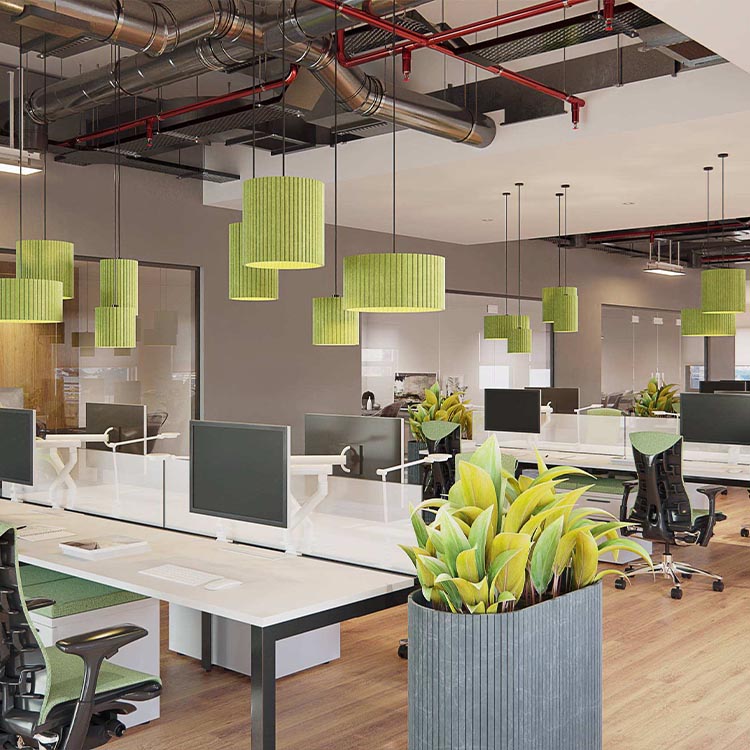
مكاتب ذات مخطط مفتوح، ومناطق تعاون، وأسقف أعلى، وتصميمات داخلية تجارية ذات تصميمات داخلية
ما يتم إفساده
وصول السائق، وتفاوتات الفتحات وتضارب الرشاشات، والفتحات المزدحمة
تباعد المسافات، والأغطية الطرفية، والتغذية المكشوفة، والمحاذاة غير المتساوية
تناسق الإسقاط، واستقامة الصف، وخدمات السقف، والتحكم في المشهد
حيث تستنزف المشاريع الأموال بالفعل
تعطلت عناصر التحكم.
لقد رأيت “مشاكل إضاءة” ناجمة عن سوء التنسيق وضعف عناصر التحكم أكثر من رقائق LED السيئة، ولهذا السبب لا أثق في عمليات التشغيل الخطية الجميلة ما لم تذكر المواصفات أيضًا بروتوكول التعتيم وموقع برنامج التشغيل ومسار الصيانة ونوع البصريات ومقاييس الراحة المستهدفة مثل UGR <19 وCRI 90 وSDCM <3 و0-10 فولت أو DALI-2، بالإضافة إلى تفاصيل المواد مثل مبيت الألومنيوم 6063-T5 وموزع PMMA أو البولي كربونات حيثما كان ذلك مهمًا. لماذا لا تزال الكثير من الطلبات المقدمة تتوقف عند الواط و CCT؟
هناك مثال مشروع حقيقي يستحق السرقة منه. في وزارة الطاقة دراسة حالة مكتب فريقDKB TeamDKB, ، استخدم مكتب روتشستر مصابيح LED 3500 كلفن في المناطق ذات المهام الثقيلة، ومصابيح OLED 3000 كلفن في المناطق البارزة بصريًا، وتعتيم 0-10 فولت على جميع تركيبات OLED تقريبًا، ومساهمة ضوء النهار من النوافذ الممتدة من الأرض إلى السقف، ووصلت كثافة طاقة الإضاءة إلى 0.60 واط/قدم مربع، وهو نوع من التفكير التفصيلي المتكامل الذي يفصل مكتب العمل عن العرض اللامع. أليس هذا ما يفترض أن تبدو عليه المواصفات؟
والجانب الإيجابي في الكفاءة ليس بسيطاً. وزارة الطاقة حملة الإضاءة الداخلية أبلغت عن أكثر من 2.8 مليون من التركيبات وأجهزة التحكم التي تمت ترقيتها، ومتوسط تخفيضات في الطاقة بلغ 541 تيرابايت، و1 تيرابايت و68 مليون تيرابايت في وفورات فواتير الطاقة بين المشاركين المعترف بهم، ولهذا السبب أدير عيني كلما ادعى أحدهم أن اختيار التركيب هو قرار بصري بحت دون أي عواقب على تكلفة التشغيل. لم يكن كذلك أبدًا.
توصيتي الصريحة حسب نوع المشروع
اختر الغرفة.
إذا كان السقف مكتمل التشطيب، وكان السقف منضبطًا بشكل معقول، ويريد العميل أن يبدو خط الضوء مدمجًا، فسأدفع بالسطح أولاً، خاصةً للمكاتب الممتازة وغرف الاجتماعات وطرق الدوران التنفيذية. أما إذا كانت البلاطة قبيحة، والميزانية حقيقية، والبرنامج وظيفي وليس أدائي، فسأختار السطح وأوفر ألم التنسيق لشيء يغير النتائج بالفعل. إذا كان السقف مفتوحًا، أو كان ارتفاع التركيب أعلى، أو كانت الغرفة تحتاج إلى إيقاع بصري أقوى دون إخفاء السقف بالكامل، فسأختار التعليق. لماذا التظاهر بوجود فائز واحد؟
بالنسبة للمشاريع المكتبية، كنت أرسل القراء أيضًا إلى دليل اختيار تركيبات مصابيح LED التجارية بناءً على ارتفاع السقف, ، لأن ارتفاع التركيب ليس ملاحظة جانبية؛ فهو يغير منطق الشعاع، وإدراك السطوع، وما إذا كانت الإضاءة الخطية المعلقة أو المعلقة ستشعر بالراحة أو القمع في الاستخدام. تأخذ مدونة Meagree الخاصة هذه المسألة على محمل الجد، وهذا يجعلها رابط دعم طبيعي من هذه المقالة بدلاً من الحشو.
والحقيقة الصعبة الأخرى هي أن “الإضاءة الخطية المعمارية” غالبًا ما تُباع كأسلوب، في حين يجب شراؤها كنظام تنسيق. تفوز الإضاءة الغائرة بمسابقة الجمال، وتفوز الإضاءة السطحية بمسابقة الصدق، وتفوز الإضاءة المعلقة عندما تحتاج الغرفة إلى الحجم والهواء والبنية البصرية. لا يهمني أي معسكر يفضله المشتري من الناحية العاطفية؛ ما يهمني هو المعسكر الذي ينجو من التقديم والتركيب وسنتين من التشغيل دون أن يبدو متعبًا.
الأسئلة الشائعة
ما الفرق بين المصابيح الخطية المعلقة والمثبتة على السطح والمصابيح الخطية المعلقة؟
توضع المصابيح الخطية المعلقة داخل مستوى السقف، والمصابيح الخطية المثبتة على السطح مثبتة مباشرةً على السقف أو وجه الجدار، والمصابيح الخطية المعلقة معلقة أسفل الهيكل على كابلات أو سيقان، مما يعني أن مصدر الضوء نفسه يمكن أن يخلق ثلاثة نتائج مختلفة تمامًا في البناء والصيانة والنتائج البصرية.
هذا الفرق الأول مهم أكثر مما تعترف به معظم أوراق المواصفات. تبدو الغائرة أنظف، وعادةً ما يتم تركيب السطح بأقل دراما، وغالبًا ما يحل التعليق مشاكل التدرج وارتفاع السقف بشكل أفضل من أي من الاثنين الآخرين.
ما هو نوع تركيب الإضاءة الخطية الأفضل للمكاتب؟
عادةً ما يكون أفضل أنواع تركيب الإضاءة الخطية للمكاتب هو التركيبات المعلقة للأسقف ذات التشطيبات النظيفة، والمعلقة للمساحات المفتوحة أو المساحات ذات الألواح العالية التي تحتاج إلى تناسب بصري أكثر نعومة، والمثبتة على السطح لأعمال التعديل التحديثي حيث تكون السرعة والتحكم في الميزانية والحد الأدنى من تعطيل السقف أكثر أهمية من إخفاء جسم التركيب.
لن أختار حسب الذوق وحده. بل سأختار حسب الازدحام في الجلسة، والوصول إلى السائق، ومدى تحمل السقف، والوهج المستهدف، وما إذا كانت الغرفة ثقيلة المهام، أو تعاونية أو تركز على العروض التقديمية.
هل المصابيح الخطية المعلقة أكثر تكلفة من المصابيح الخطية المعلقة؟
غالبًا ما تكون الأضواء الخطية المعلقة أكثر تكلفة على مستوى التركيبات والأجهزة، ولكن يمكن أن تكلف الأنظمة المعلقة أكثر تكلفة بشكل عام بمجرد ظهور تعقيدات تأطير الفتحات وإصلاح السقف وتخطيط الوصول وإعادة العمل وتعارضات التنسيق، لذلك عادةً ما يتم تحديد فرق التكلفة الحقيقي حسب تعقيدات العمل والسقف بدلاً من سعر القائمة.
هذا هو المكان الذي يحترق فيه المشترون عديمو الخبرة. فهم يقارنون بين SKU و SKU، ثم يصطدمون بالظروف الميدانية التي كانت واضحة في اليوم الأول.
كيف أختار نوع تركيب الإضاءة الخطية؟
لاختيار نوع تركيب الإضاءة الخطية، ابدأ بحالة السقف، وعمق السقف، وازدحام الخدمة، وارتفاع التركيب، وهدف التوهج، والوصول إلى الصيانة، والقصة المرئية التي يريدها العميل، ثم استبعد أي خيار يخلق مشاكل في البناء لمجرد حماية عرض لن ينجو من واقع التركيب.
أستخدم مرشح بسيط. إذا كان السقف يمكن أن يدعم التكامل الدقيق، فإن الغطس هو الحل. إذا لم يكن كذلك، يجب أن يتولى السطح أو المعلق على الفور.
ما هي المواصفات الأكثر أهمية في الإضاءة الخطية المعمارية؟
إن أهم مواصفات الإضاءة الخطية المعمارية هي تفاصيل التركيب، والتحكم في البصريات والوقاية وحزمة التجويف، و CRI، و SDCM، و CCT، وبروتوكول التعتيم، وإمكانية الوصول إلى برنامج التشغيل وجودة السكن، لأن البثق الأنيق مع تحكم ضعيف في الوهج، أو تجميع غير مستقر، أو وصول غامض للخدمة سيصبح سيئًا في المشاريع التجارية الحقيقية.
أفضل أن أشتري خطًا صادقًا ومضبوطًا جيدًا عند 3500 كلفن أو 4000 كلفن مع تعتيم مناسب على أن أشتري جسمًا أجمل مع إضاءة قذرة ووصول سيء.
وإذا كان فريقك لا يزال يتناقش حول الإضاءة الخطية الغائرة مقابل الإضاءة السطحية مقابل الإضاءة الخطية المعلقة بعبارات مجردة، أوقف الاجتماع، واسحب مخطط السقف المنعكس وحدد تعارضات الخدمة واكتب CCT و CRI و UGR المستهدف وبروتوكول التعتيم ومسار الصيانة وفرض القرار من الناحية المادية. هذه هي الطريقة التي يختار بها المحترفون الإضاءة الخطية.